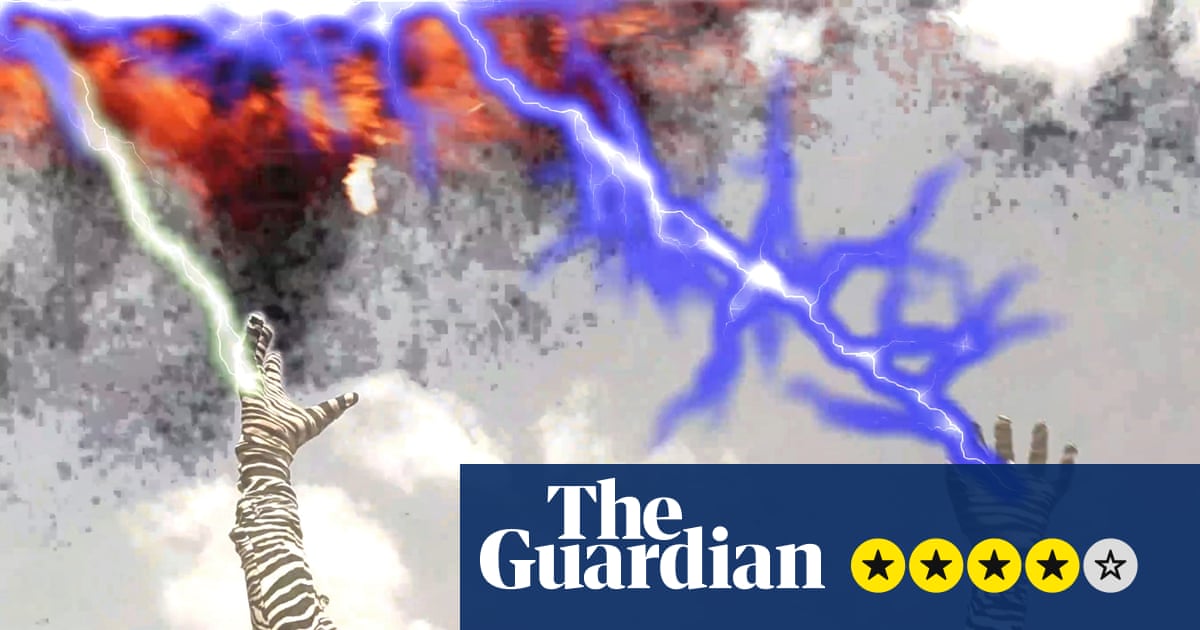
Wakaliga Uganda makes action movies with a cast from the Kampala streets, props built out of scrap, desktop special effects and a bucketload of wit. The studio’s breakout hit, Who Killed Captain Alex?, followed a martial arts master on a mission for revenge against the mafiosi who killed his brother, a Ugandan military officer sent to clean up the capital’s slums. Featuring helicopter gunships, shootouts and kung fu showdowns, and reportedly made for a few hundred dollars, this blockbuster bears little relation to the films you might expect to find in an art gallery (setting aside the shoestring budgets).
Which is to say, it is very good fun to watch. Founded by Harriet Nakasujja and Isaac Nabwana, the film studio also known as Wakaliwood came to the attention of the wider art world in 2017 when it was included in the German art festival Documenta. That influential show was part of a general turn towards the culture being made by independent collectives outside Europe and North America, especially those that pioneer unconventional ways to fund their activities (indicatively, the studio used the money to install fibre-optic cables in its neighbourhood).
Its entry on to the international art circuit brought higher production value and – if the new commission now showing at the Chisenhale is any guide – a subtle shift in direction and purpose. Because while its previous films addressed the residents of the Wakaliga neighbourhood, Kibuuka Omumbaale speaks to an international – and specifically British – audience. The 40-minute film is named after a mythical warrior of the Buganda kingdom (now a region in Uganda that includes Kampala) whose relics were removed by an Anglican missionary to Cambridge University in 1906.
The remains were returned to Uganda the year before its independence in 1962, setting a precedent for the restitution of looted objects that UK museums have proved notoriously reluctant to follow. Clearly, there is the material here for a lecture on the evils of colonial expropriation and the ethical imperatives of restitution. Yet Wakaliwood has produced something considerably more complex and persuasive, designed to provoke its audience’s emotions as well as prick their consciences.
In practice, this means telling the story as a blistering superhero movie featuring hardboiled detectives, courageous women, corrupt politicians, a nefarious “girl with a voluminous bum” and much else besides. It begins when a young man visiting the remains of Kibuuka Omumbaale is possessed with the warrior’s spirit. There is an important precedent for this: in the 1950s, a Ugandan truck driver had the same experience and became a key figure in the anticolonial resistance.
His possession enables him to fly around the city and, according to a liberal reinterpretation of the warrior’s powers, zap death rays from his fingers. Unfortunately, the negative aspects of Kibuuka have been incarnated in another young man, a doppelganger bent on evil. Concerned journalists look to local folklorists and museum curators for answers, allowing the film-makers to embed some history lessons without jeopardising the entertainment.
Extract — continue reading at the source.