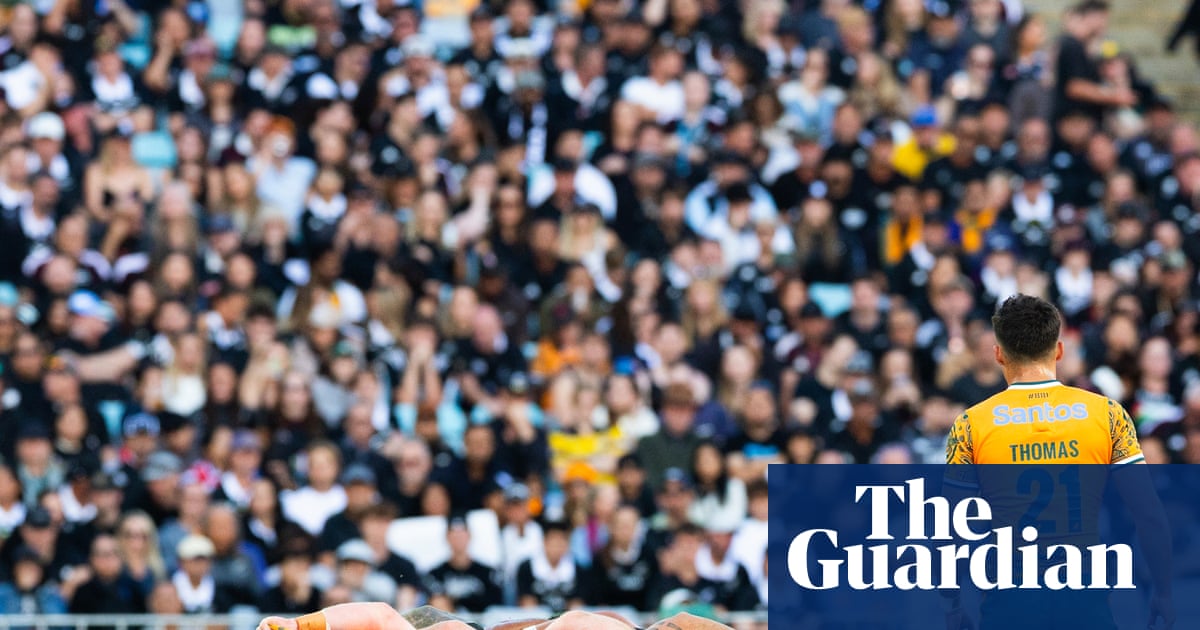
An increasingly ugly pay dispute is threatening to unravel Australian rugby a year from a home World Cup, as the Wallabies prepare for four Nations Championship matches crucial for reversing fortunes smashed by two heavy Bledisloe Cup defeats. The Wallabies meet England at Allianz Stadium – the sponsor’s name for Twickenham, not its namesake in Sydney – on Sunday afternoon local time (early Monday AEDT). The fixture is critical as the team looks to revive the momentum developed early under new coach Les Kiss before Australia were given a reality check against New Zealand last month.
Those two matches – when they conceded 93 points with alarmingly little resistance – were the last under the previous collective bargaining agreement, struck in 2023. The negotiations for a new one are not going well. The Wallabies’ first press conference on tour in the UK this week should have been a celebration of the recall of Kurtley Beale, and the return of assistant coach Jonny Fisher to his homeland.
Instead, questions about the bargaining process prompted an awkward exchange, with both men unable or unwilling to diagnose what has quickly become a sore. Rugby Australia (RA) took the unusual step of sending a letter directly to players this week outlining their offer, bypassing the Rugby Union Players’ Association (Rupa) which is responsible for negotiations. A response from Rupa president Tom Robertson expressed disappointment about RA taking the step “particularly while the Wallabies are on tour”.
RA chair Daniel Herbert returned with his own statement saying Rupa’s counter-proposals “threaten the future of the game in Australia”. Bargaining in sport is rarely cordial, but this has come to resemble punch. The immediate tension surrounds RA’s uncomfortable financial situation.
Only two years removed from a $37m annual deficit, the governing body hopes to squirrel away much of the near-$100m fee paid by World Rugby for hosting next year’s men’s World Cup to make up for coming leaner years. Although last year’s British & Irish Lions matches allowed the governing body to clear debts, those tours come around just once every 12 years. Officials are well aware they will not see another home men’s World Cup in twice that time, or longer.
There is clearly a need for players to be fairly compensated. Male rugby union players in Australia are already paid less than those in rugby league. The NRL’s $5.3bn, seven-year broadcast deal with Channel Nine and Kayo struck this year is likely to increase player salaries in a rival code that can already offer professional contracts greater in number and average value to promising young footballers.
Extract — continue reading at the source.