Earlier this year I stood in a draughty sports hall, facing rows of 10-year-olds sitting cross-legged on the scuffed floor. I asked them a question: “What does climate change mean?” Small hands shot up: “The sea rises and floods everything,” one child said. I've worked in climate communication for nearly 30 years, interspersing sessions with CEOs, activists, and politicians with talks to school kids.
Over those decades, I’ve watched the average 10-year-old acquire an increasingly sophisticated picture of the climate crisis they will inherit. They can imagine burning forests, flooded cities, dying species, and an uninhabitable planet. Many of them seem to understand climate science better than some CEOs.
But ask these children to picture what we do about it, and suddenly their extraordinary imaginations contract to a recycling bin. To be clear, I am enthusiastically in favour of recycling—just not as our answer to a planetary emergency. But I understand why I’m still hearing that inadequate response.
Since the greenhouse effect and global warming first entered mainstream public consciousness in the 1980s, we’ve offered people ever more detailed maps of the apocalypse with barely a sketch of the way out. The climate movement, of which I’m a proud member, has been complicit in this communications crisis. Most messages shared by progressive forces are merely an ad nauseam echo of: climate change is real, humans are to blame, and the consequences are catastrophic.
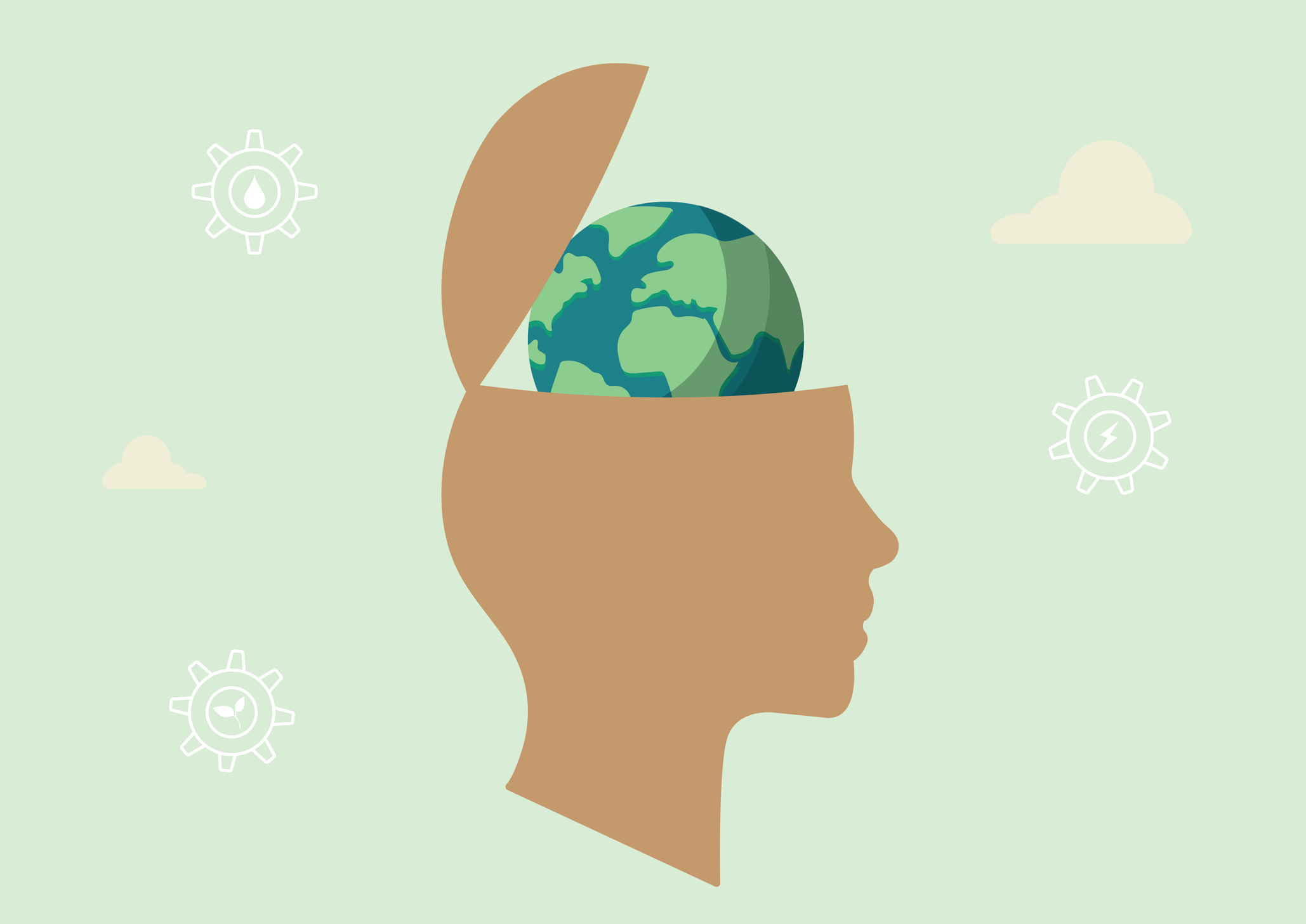
I call this framing the earned dystopia, and it’s so ubiquitous most pre-teens can parrot it. After so many years, can we not imagine a different story? One reason for this imagination deficit is that storytelling has been treated as merely the spoonful of sugar to help the scientific medicine go down.
Storytellers are asked to act as the marketing department for climate science. But if that subservient role for storytellers was ever needed, it’s increasingly futile now that climate change has started communicating itself. Our growing count of horrifying floods, fires, storms, and droughts capture headlines without my help.
Extract — continue reading at the source.