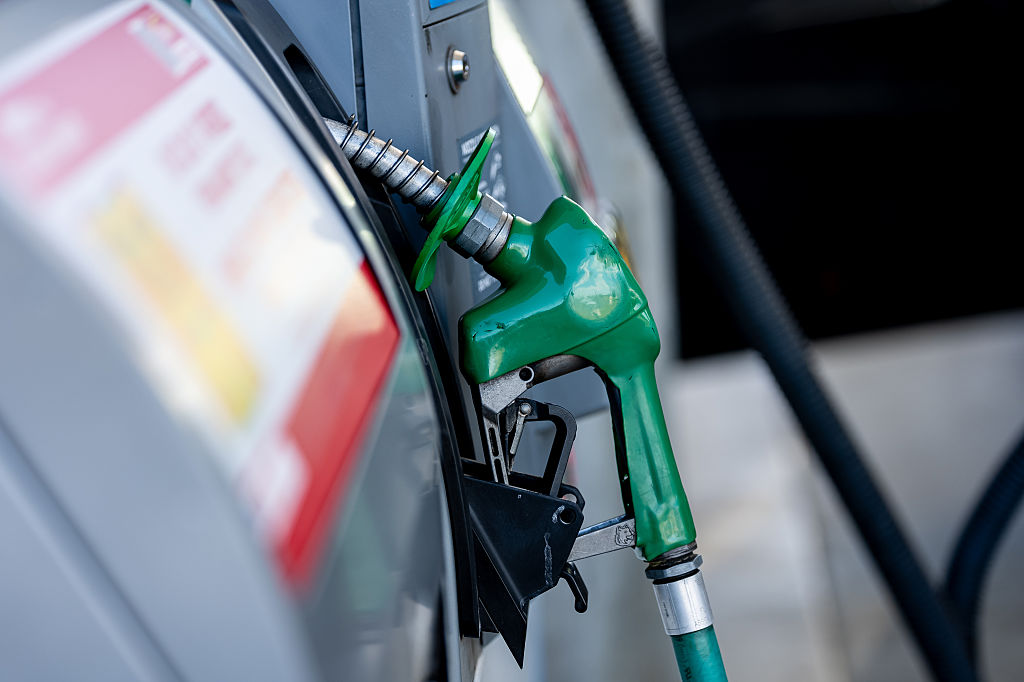
As fuel prices at the pump reach record highs since the outbreak of the war in Iran, Washington is warming to the idea of a temporary diesel export ban as a way to lower costs. Senator Chuck Grassley of Iowa posted on social media Saturday: “High diesel prices ARE KILLING FARMERS INCOME.” Senator Dan Sullivan of Alaska, meanwhile, said Tuesday that the cost of diesel “is just too damn high” and an export moratorium should be in place until the conflict in Iran ends. Diesel recorded its highest average price on Tuesday amid the energy dearth caused by the war, averaging about $6.53 per gallon, according to the American Automobile Association.
It is at least 90¢ higher than last month’s average, and a huge leap from the $3.75 mean just before the war. Ballooning prices threaten to impact the global economy as diesel powers most heavy-duty farming and industrial machinery as well as transport like trucks and trains. Higher diesel costs also add to the cost of moving goods and could worsen inflation, which the Federal Reserve has tried to tamp down.
Trump referred to Treasury Secretary Scott Bessent, who said that the Administration is examining whether a diesel export ban is “feasible in terms of the overall refining capacity and whether a full or partial ban would work.” It’s unclear if, or when, the Administration will decide on a moratorium on diesel exports. Trump’s own Energy Secretary Chris Wright showed more skepticism: speaking to CBS News earlier this month, Wright said the U.S. is considering “all options of how you can move prices that are favorable for American consumers,” but he also argued that to address a shortage, “you want to keep as much energy flowing as possible.” Rising costs present a problem for an increasingly unpopular Trump heading into the November midterms, where the Republican Party he leads has to defend its slim majority in Congress. Disgruntled voters, according to some polls, believe the U.S. economy has suffered under Trump’s policies, with many from the GOP also souring on them.
The U.S. is one of the world's largest diesel producers and exporters. Energy Information Administration show that American refineries produce about 5.3 million barrels of distillate fuel oils—referring to fuels that include diesel and home heating oil—per day. Diesel exports amount to about 1.5 million barrels daily, almost a fifth of the roughly 8 million barrels traded by sea each day.
But since diesel is traded globally, prices in the U.S. are shaped by this balance of supply and demand. The recent price surge has been linked to production and shipping disruptions from the wars in Ukraine and Iran. Many Republican lawmakers pushing for the diesel export ban argue that it could provide American consumers with some relief.
Tim Burchett of Tennessee filed bills to address rising diesel costs through export controls and argued that such controls “drive down prices while also helping Americans keep more money in their pockets.” Senate Majority Leader John Thune of South Dakota also indicated that he was “open to exploring” a diesel export ban to lower prices. Analysts from the Washington think tank Atlantic Council wrote in a Tuesday note that such an export ban “would likely create more problems than it would solve.” While the ban is expected to “almost certainly” push prices down for consumers in the Gulf Coast and the Midwest, it may pull prices up for those on the West Coast. They also warned of knockon effects including a possible uptick in grocery prices.
Extract — continue reading at the source.