The halls of history are littered with optimists and pessimists doing their best to sell the future. Or scare us into slowing the future down. In the mid-18th century, America was on the brink of our worst man-made disaster: the Civil War.
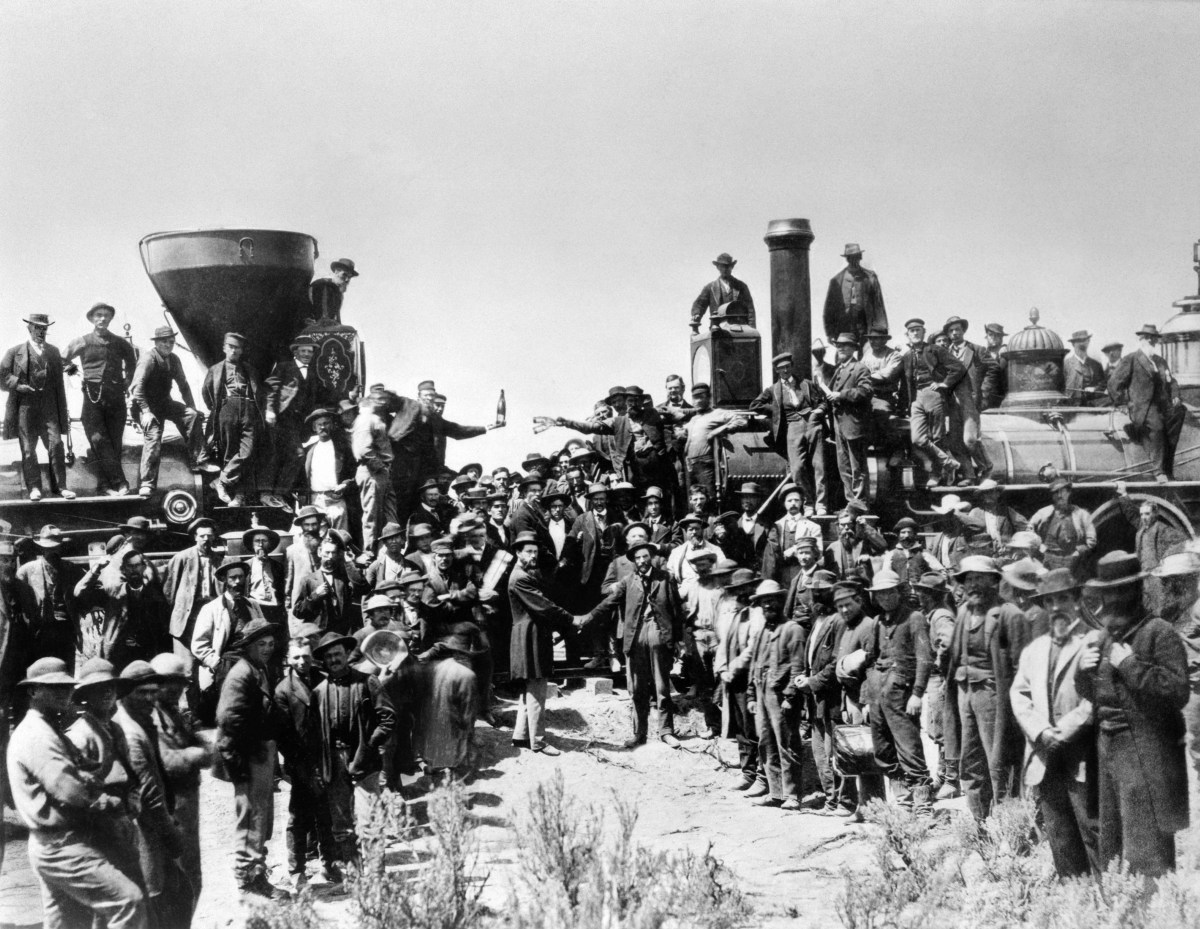
We were also on the brink of the most transformational era in our history: the Industrial Revolution. A tech revolution that would turn our young nation into the world’s superpower in 50 years. And create an economy—and millions of jobs—unimaginable to even the wildest futurists.
The story starts with Abraham Lincoln, who was the first president to ever hold a patent. He was also the first wired president, using his newly minted U.S Military Telegraph Corps to do lay over 15,00 miles of telegraph wire that transmitted what Lincoln described as “lightning messages” from the battlefield to his War Department near the White House, providing the Union with a huge communications advantage over their Confederate rivals. Before he was president, Lincoln was also one of the best trial lawyers in Illinois, and one of his trials would pave the path for the Industrial Revolution to begin.
On May 6, 1856, the steamboat Effie Afton crashed into pilings of the Rock Island Bridge, the first railroad bridge to span the Mississippi River. There were no deaths, but the steamboat was destroyed and the bridge badly damaged. The steamboat owners sued for $930,00.
They also wanted the bridge torn down, claiming it posed a navigation hazard. This was more than just a battle between two companies. It was a battle between two industries—one old and one emerging: steamboats vs. railroads.
A defeat in court would impact the economic life of major American cities. Steamboat cities like St. Louis had lots to lose; burgeoning railroad cities like Chicago had lots to gain.
Extract — continue reading at the source.