From the tiniest microbes in the human gut to giant whales in the ocean, biodiversity is the sum of all life on the planet. It's another word for nature. And because nature is like a team, every player has a job.
When various species from trees to animals work together, they regulate weather, maintain soil health, purify water and support food production. These benefits are known as ecosystem services and they underpin human wellbeing. "It is really an abstract concept, but we experience it absolutely every day," said Rebecca Shaw, chief scientist at conservation group WWF "And we almost never think about it when nature is functioning." But as it declines, she and other scientists are calling on the world to really think about it.
Because biodiversity is struggling as humans push ecosystems to the brink through intensive farming, burning fossil fuels,and pollution from sources like plastic and chemicals. Over the past 52 years, monitored vertebrate populations have collapsed by an average of 73%, while freshwater ecosystems are faring worst with a drop of 85%, according to WWF's recent Living Planet report. It tallies with other studies that show a million animal and plant species face extinction unless humanity reduces its pressure on nature.
"It is a really steep decline," said Shaw. "What it's telling us is that nature is in trouble, and it's an early warning indicator of the fabric of life that we depend on for freshwater and food and for clean air is unravelling." Thousands of policymakers, business leaders and civil society groups are meeting in Yerevan, Armenia over the next two weeks for COP17, the latest UN biodiversity summit, to advance commitments to reverse nature loss by 2030. But progress towards those targets remains insufficient, with funding and implementation among the biggest challenges.
Take wetlands as an example. Some 85% of these vital ecosystems disappeared between 1700 and 2000. One study from Canada's University of Waterloo found that habitats like marshes and swamps in Southern Ontario provide C$4.2 billion (€2.63 billion) worth of water filtration services each year, removing nutrients like phosphorus and keeping drinking water sources clean.
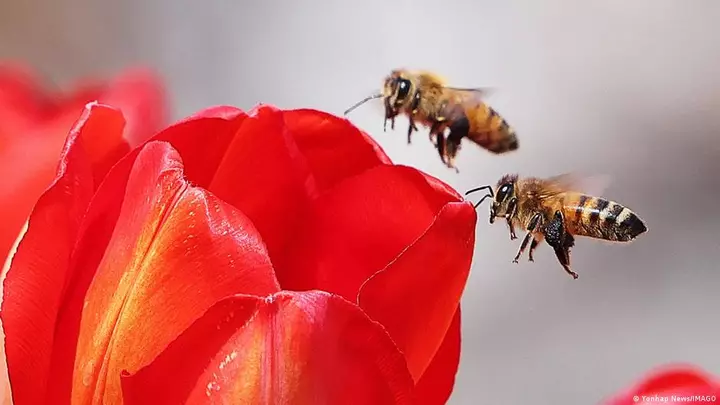
The study found that as they disappear, water quality worsens, which massively increases the cost of treating it. Another example is the decline in pollinators like bees and bats. More than 75% of global food crop types rely in part on animal pollination.
Extract — continue reading at the source.