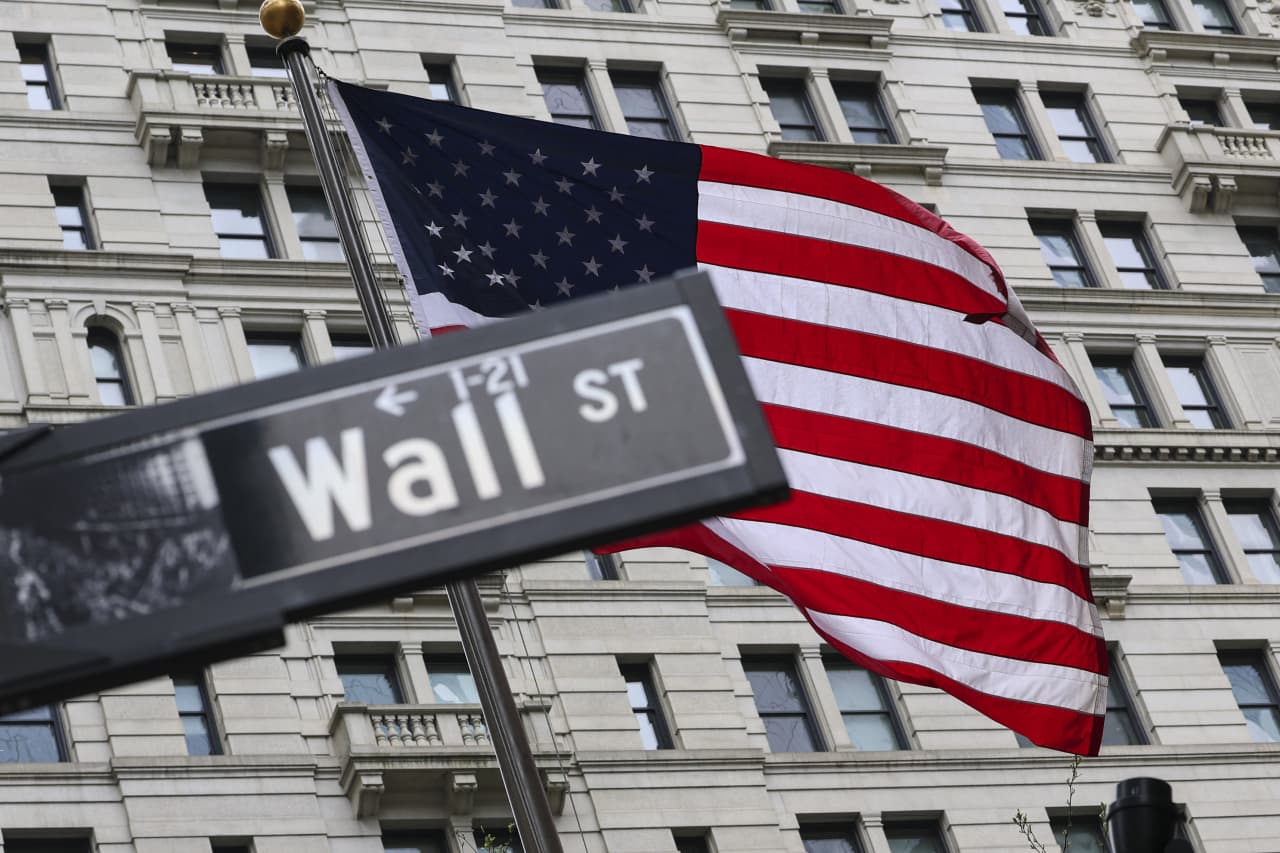
Wall Street banks carry risks if CoreWeave defaults on its $52 billion debt burden. via Call it a sign of the times: A JPMorgan analyst is looking into the exposure banks will have if CoreWeave defaults on its debts. To be clear, the conclusion is that it won’t be much. CoreWeave has a $52 billion debt burden, but banks have “well managed and very well secured” exposures to it, according to JPMorgan analysts led by Kian Abouhossein.
CoreWeave is one of the largest neocloud providers, providing access to the computing power from Nvidia and other companies’ AI chips. Most of its revenue comes from the so-called hyperscalers, including Microsoft, with their own data centers, but also leasing access. Video 91/1 Skip Ad Continue watching after the adVisit Advertiser websiteGO TO PAGE Why humanoid robots are so hard to mass-produceSee All Videos Why humanoid robots are so hard to mass-produce Play video: Why humanoid robots are so hard to mass-produce CoreWeave’s five-year credit-default swaps, at nearly 1,100 as of Monday, imply a roughly 50% to 60% probability of a default at some point over the next five years.
CoreWeave’s stock , down 4% in premarket trade, has slumped 30% over the last month. Don’t Short Yourself offers weekly money tips to help you earn it, stack it and grow it. I agree to the Terms of Use, Privacy Notice and Cookie Notice.
I would like to receive updates and special offers from Dow Jones and affiliates. I can unsubscribe at any time. The JPMorgan team said banks have helped to structure what are called delayed-draw term loans, or DDTLs.
CoreWeave can draw from those credit lines, either based on timelines or project milestones, such as the completed construction of a data center. That way, CoreWeave pays interest only on the drawn elements. The analysts identified a host of banks involved in the DDTL market — U.S. investment banks, European firms including Barclays and Deutsche Bank, and Asian banks including Mitsubishi UFJ and Mizuho.
The large U.S. investment banks as well as Mitsubishi UFJ likely have exposures in the range of $1 billion to $3 billion each. The other banks will have less than $500 million, the analysts said. The analysts said these are just guesses based on the number of deals banks have been involved in and the traditional 10% to 15% holding of a syndicated loan.
Extract — continue reading at the source.