My work helping institutions act together across education, public safety, and economic mobility has taken me repeatedly to Memphis, where kindergarten readiness among local pre-K students rose from 34 percent to 62 percent in less than a decade. Those gains cannot be attributed to one intervention or institution. When a federal Preschool Development Grant was due to expire in 2018, 1,000 pre-K seats were at risk.
Seeding Success, a Memphis-based backbone organization and client of my firm, Coda Societies, worked with city and county governments, providers, and funders to preserve the seats and expand access. Together, they helped secure approximately $90 million in public funding over six years. But institutionalization is not permanence.
Public funding must survive elections, leadership changes, and competing government priorities. Progress is rarely linear: agreements fall through, decisions stall, and settled questions reopen. Relationships must become policies and budgets, then be defended and renewed.
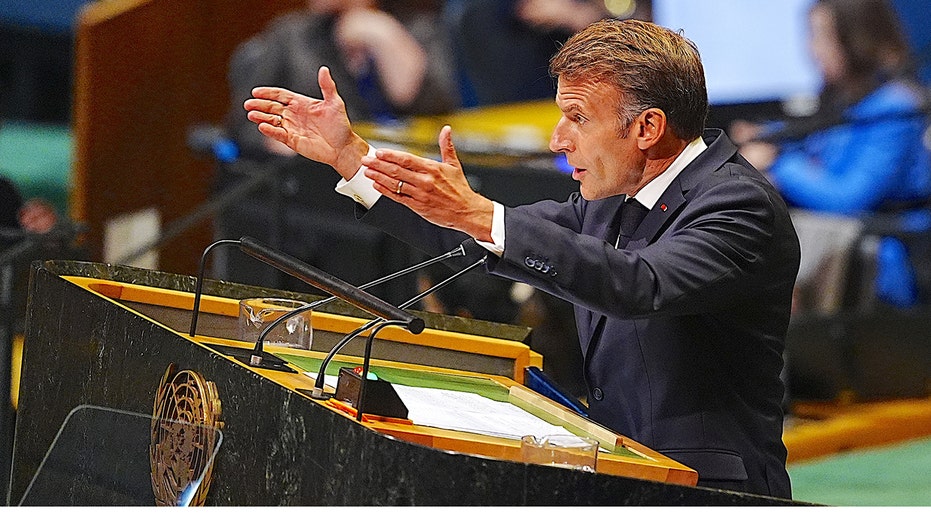
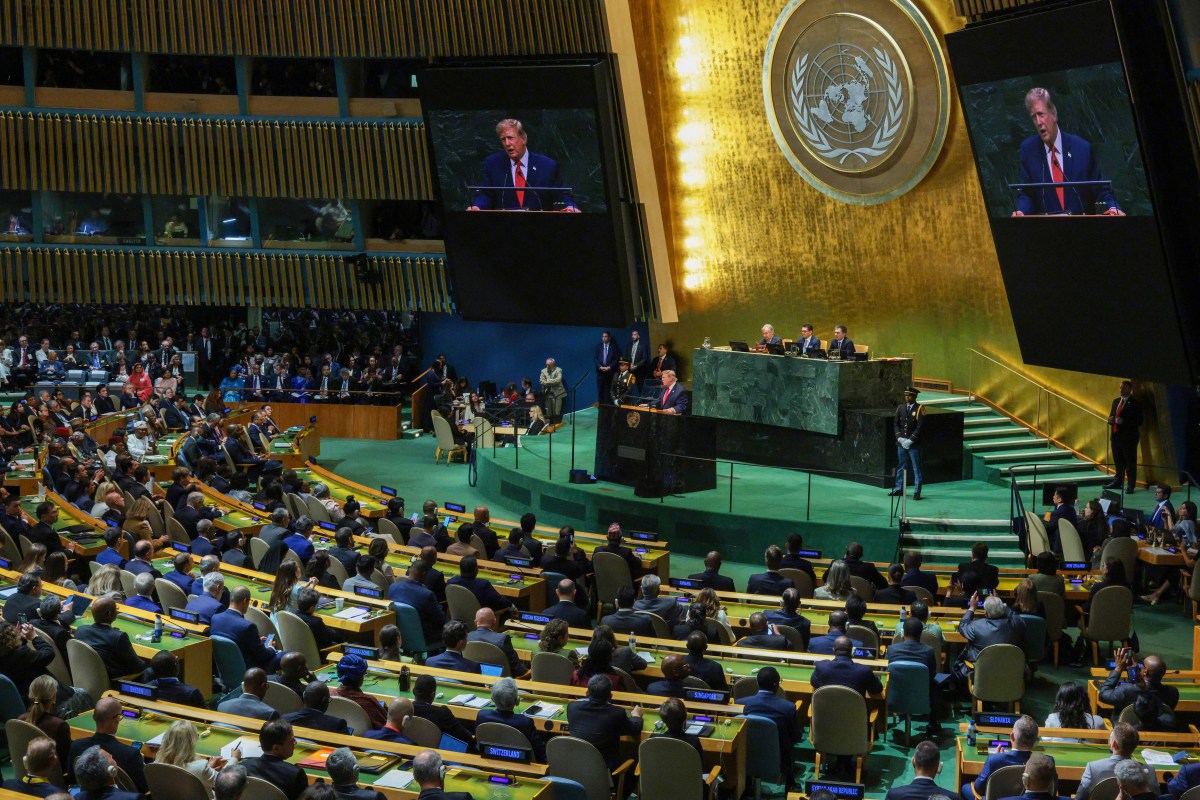
The work in Memphis shows what progress looks like before it becomes a story: institutions learning, slowly and laboriously, to act together. This week, world leaders are gathering in New York for the United Nations General Assembly. The scale is different, but the institutional question is the same: What happens after multiple actors agree on an outcome none can deliver alone?
The distance between commitment and implementation is substantial. Only 36 percent of the Sustainable Development Goal targets with sufficient data are on track or making moderate progress. Coordination is hardly the only obstacle.
Still, the U.N. describes a crisis in the “means of implementation.” Complex public problems rarely belong to one institution. Education, health, housing, public safety, and employment operate under different mandates. None holds all the authority, information, or resources needed to change outcomes alone.
Extract — continue reading at the source.