Eight years ago, Democrats rode a midterm wave back to the House majority. The election also brought a new class of progressives to Washington, ready to push Nancy Pelosi's party to the left. Three years later, in January 2021, the party held the White House and both chambers of Congress, then watched President Joe Biden's Build Back Better plan collapse amid a fight among its own ranks.
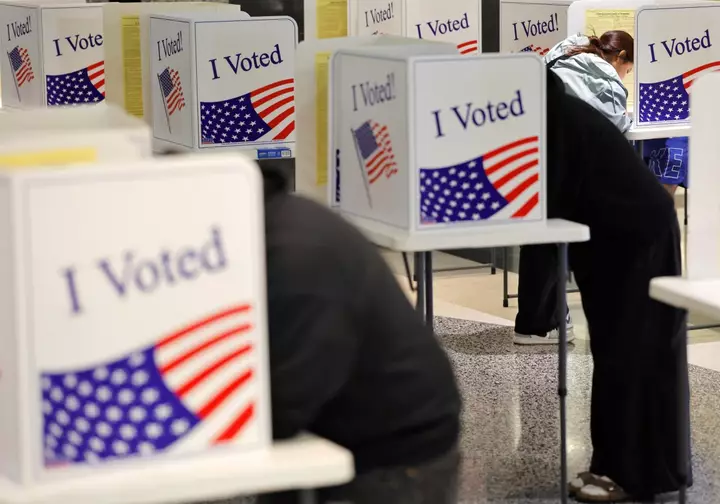
Both times the Democratic Party came away with power and without a settled answer about what it wanted to be. Democrats won control of the House and the Senate on Tuesday, flipping seven Republican-held Senate seats to reach at least 54 and, by an estimate, finishing with about 255 House seats, in the first nationwide vote of President Donald Trump's second term. At least five candidates backed by the Democratic Socialists of America, including Melat Kiros of Colorado and Darializa Avila Chevalier of New York, are headed to Washington alongside moderates such as James Talarico of Texas and Roy Cooper of North Carolina, who flipped Senate seats in states Trump carried, and each side will argue the victory belongs to them.
It was a result not even the most hopeful Democrat could have foreseen after the humbling defeat of 2024. Trump swept all seven swing states and won the popular vote, while Republicans took the Senate and held the House. Months later, an NBC News poll found just 27 percent of registered voters viewed the Democratic Party favorably, the lowest mark since 1990.
Democrats spent much of 2025 debating what to do next. The party had no clear leaders or direction, while Trump and Republicans faced little resistance as they pushed their agenda. But in 2026, a mix of Trump's erratic leadership and a group of strong candidates gave Democrats a formula that helped the party regain momentum.
In March, few thought Democrats could win control of both chambers of Congress. But as the months passed, the map fractured. The blue wave that followed was driven by the war with Iran, which began in February, persistently high prices and, perhaps above all, a president and a party that seemed to have lost touch with the voters who helped bring them to power.
Seven in 10 Americans said gasoline was unaffordable in an ABC News/Washington Post/Ipsos poll last month. Trump's approval rating also fell to a record low of 31 percent in a /Ipsos survey. The election results give Democrats a chance to regain power, but they leave a bigger question unanswered: What kind of party do voters want them to be?
Extract — continue reading at the source.