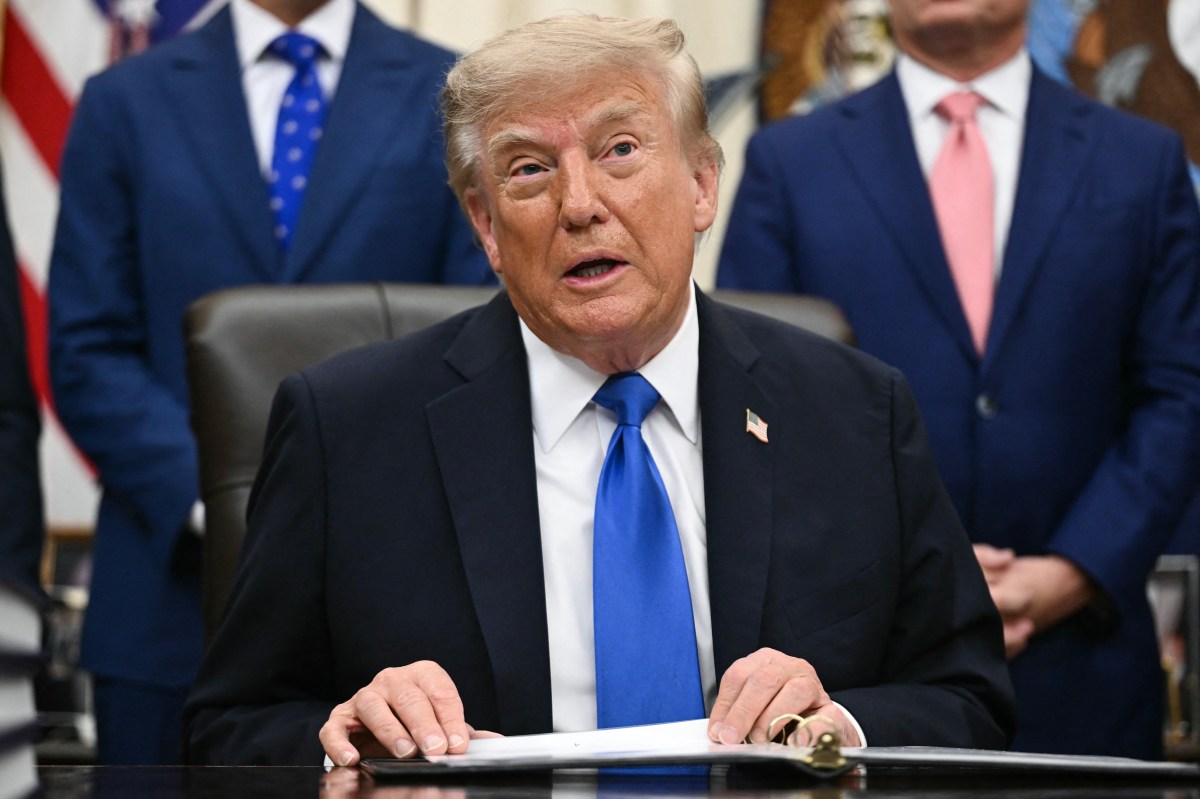
President Donald Trump will get one of the clearest readings yet on the health of his economy in 2026 this Friday, as new employment data reveals whether the U.S. labor market is stabilizing after several months of challenges. With inflation elevated, signs of recovery or momentum in the labor market would be welcomed by the White House. But forecasters anticipate a job market struggling to regain momentum when the Bureau of Labor Statistics (BLS) releases the Employment Situation Summary for August, with unemployment expected to remain flat and jobs to rebound only slightly on the end of a weak summer for hiring in the U.S.
And beyond offering the usual signals on employment and participation, Friday’s print holds extra weight for policymakers at the Federal Reserve. The central bank and its recently minted chair, Kevin Warsh, are now balancing the need to tame rising prices with what could prove to be prolonged sluggishness in the American labor market. A spring surge was followed by successively weaker readings in May, June and July, with consecutive reports coming in well below analysts’ expectations.
The economy shed 23,000 jobs in July despite forecasters having penciled in an 80,000 gain. Unemployment edged down to 4.1 percent from 4.2 percent in June, though this came as labor force participation dropped to 61.4 percent—its lowest level since early 2021—as 264,000 Americans exited the labor force. Friday’s reading will be the final full employment report before the next meeting of the Federal Open Market Committee on September 15-16.
Following a softer-than-expected July, another weak reading could demonstrate that the labor market is at least as much of a concern as inflation, potentially postponing the push for a rate hike. However, a report that meets or exceeds expectations could validate Warsh’s prioritization of prices and tighter monetary policy. "Weaker labor-market figures could strengthen the argument for patience, while resilience in employment alongside sticky inflation would make the hawkish case increasingly difficult to dismiss," Daniela Hathorn, senior market analyst at Capital.com, wrote in a note on Thursday.
The Trump administration has in the past treated strong and better-than-expected jobs figures as evidence that the president’s economic agenda is yielding results, while downplaying weaker readings as aberrations or less important than other economic indicators. However, the Trump administration has downplayed concerns about payroll figures. Following from July’s underwhelming report, Treasury Secretary Scott Bessent said that the U.S. would not need to create as many jobs thanks to Donald Trump’s immigration agenda.
This echoed the findings of a recent report from Oxford Economics, which predicted that a “tsunami” of retiring baby boomers and a sharp drop in net immigration would lower the rate of “breakeven” employment growth—the number of new jobs an economy needed to keep unemployment steady. On Wednesday, the payroll processing firm ADP reported that private sector employment rose by 38,000 in August—below market expectations—following an upwardly revised gain of 46,000 in July. The report—a loose bellwether of the BLS print—showed that private employers have added 68,000 roles per month in the year so far, up from 33,000 last year.
Extract — continue reading at the source.