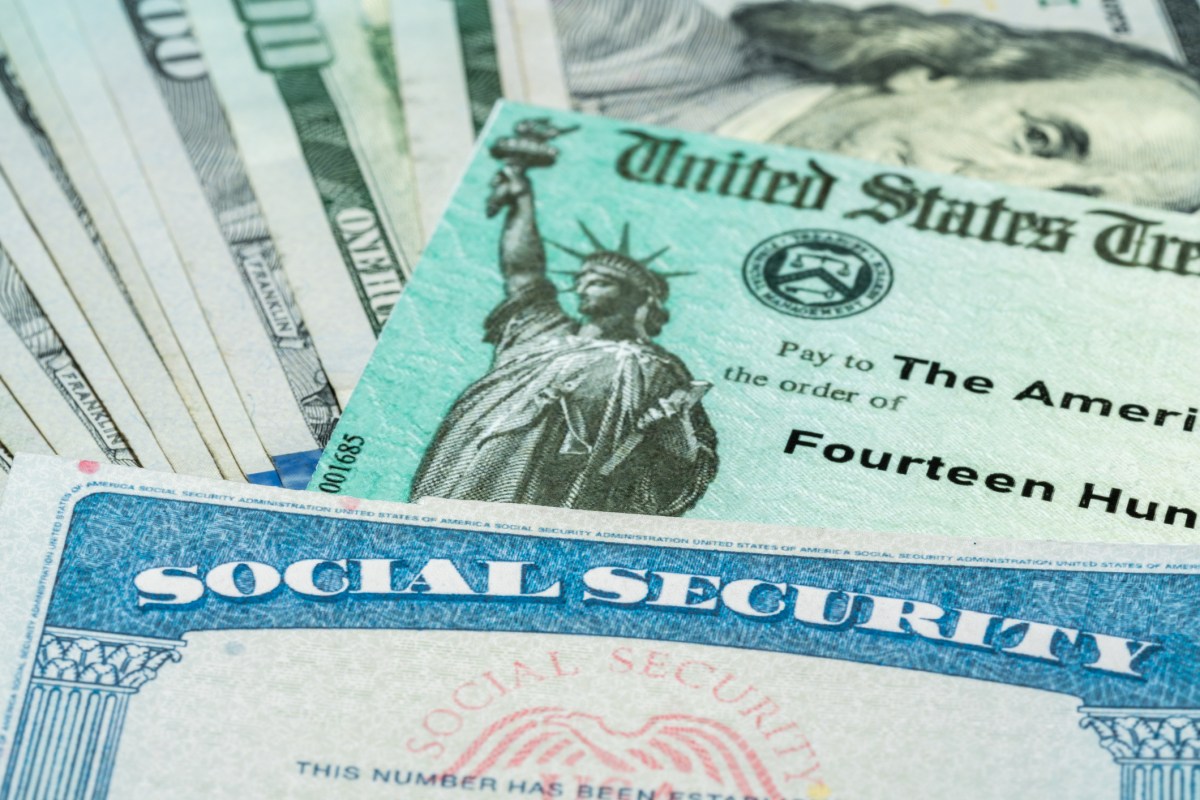
Americans across the country will receive their monthly Social Security payments in November, with changes to the usual schedule because of two upcoming holidays and a weekend. The Social Security Administration (SSA) distributes payments to nearly 72 million people nationwide, including retired workers, people with disabilities, and the spouses and survivors of eligible workers. Payments are staggered throughout the month depending on the type of benefit a person receives, when they began claiming and, for most recipients, their date of birth.
November's schedule includes an early payment for some beneficiaries because of Veterans Day, while Supplemental Security Income (SSI) recipients will receive their November payment slightly earlier than usual. The payments also come after the SSA announced a 3.6 percent cost-of-living adjustment (COLA) for 2027, which will increase monthly benefits for tens of millions of Americans beginning next year. Social Security payments will be distributed on the following dates: Social Security recipients will see their benefits increase by 3.6 percent next year, following an announcement by the SSA on October 14.
The adjustment is higher than the 2.8 percent increase implemented in 2026 and will affect approximately 76 million Americans receiving Social Security or SSI benefits. According to the SSA, the average retired worker's monthly benefit is expected to rise by $75, from $2,095 to $2,170. For couples in which both spouses receive retirement benefits, the average combined payment will increase from $3,238 to $3,355.
The average monthly payment for disabled workers will rise from $1,642 to $1,701. Meanwhile, the maximum federal SSI payment for an individual will increase from $994 to $1,029, with the maximum for eligible couples rising from $1,491 to $1,544. The COLA is calculated using the Consumer Price Index for Urban Wage Earners and Clerical Workers (CPI-W), an inflation measure produced by the Bureau of Labor Statistics.
The SSA compares the average CPI-W for July, August and September with the average for the same three months in the previous year. The percentage increase determines the following year's COLA. However, concerns remain about whether the increase will sufficiently offset rising living costs.
An AARP survey conducted ahead of the announcement found that 76 percent of Americans aged 50 and older believed a projected 3.5 percent COLA would be insufficient to keep pace with rising prices. Among current Social Security recipients, that figure rose to 80 percent. "The 3.6 percent COLA raise can make a difference, but it's also a sign of how much prices have risen due to inflation over the past year.
Extract — continue reading at the source.