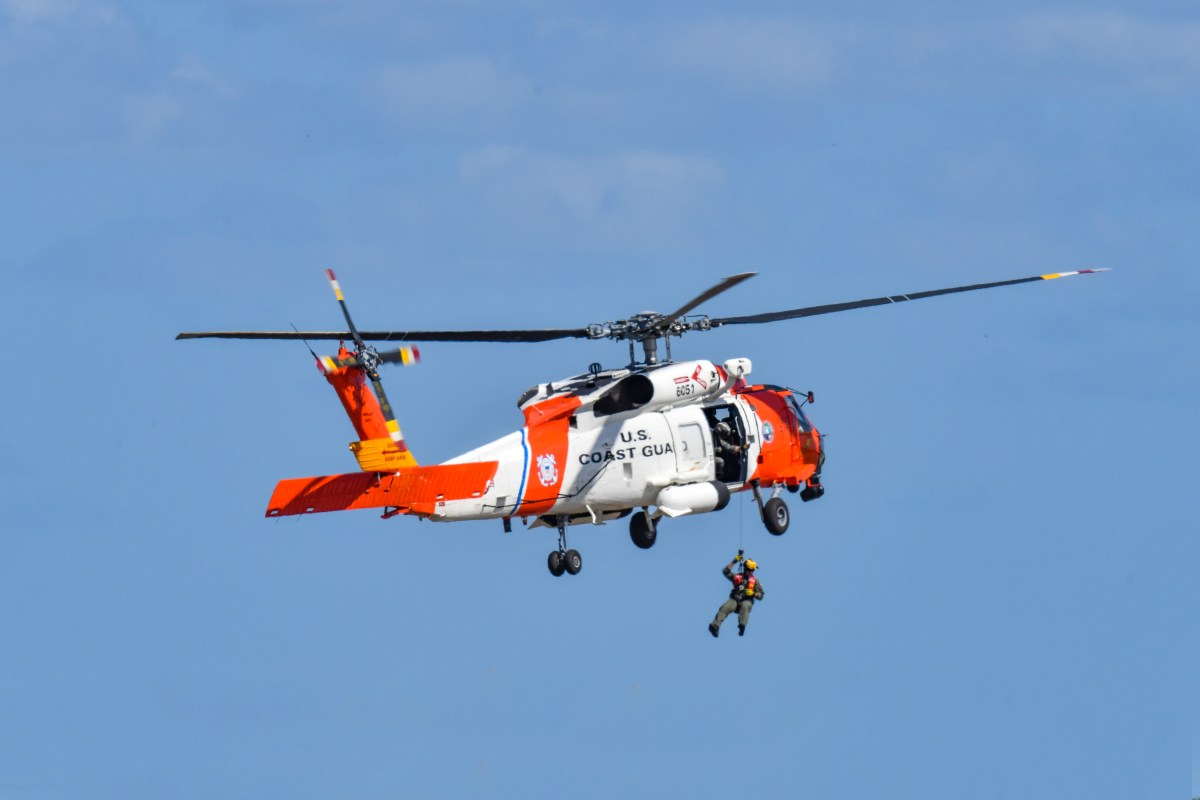
Coast Guard reported 5,220 lives saved through its search and rescue operations while assisting more than 19,000 people, according to U.S. Coast Guard operational data. Those figures put a human dimension on a problem that is often treated as a procurement question.
When people are responding to emergencies, the technology they rely on has to function under pressure, in environments where there may be little room for error. Yet mission-critical operations can still depend on multiple technologies that were purchased, installed, and configured separately. That model is understandable.
Specialized equipment has traditionally been developed to solve individual problems. A camera provides imagery. A searchlight provides illumination.
Mapping software provides geographic information. Each may perform its intended function effectively. The difficulty begins when an operator needs all three at once.
A helicopter crew searching for a missing person isn’t thinking about individual pieces of equipment. They’re focused on finding the person. A law enforcement officer working at night isn’t separating the task of locating a subject from identifying what they’re seeing or understanding where other units are positioned.
A maritime crew responding to a search and rescue incident must interpret information, make decisions, and communicate with people in other locations, often while operating in extremely challenging environments. The operational problem is therefore not simply whether each technology works. It is how well the technologies work together in a seamless workflow.
Extract — continue reading at the source.