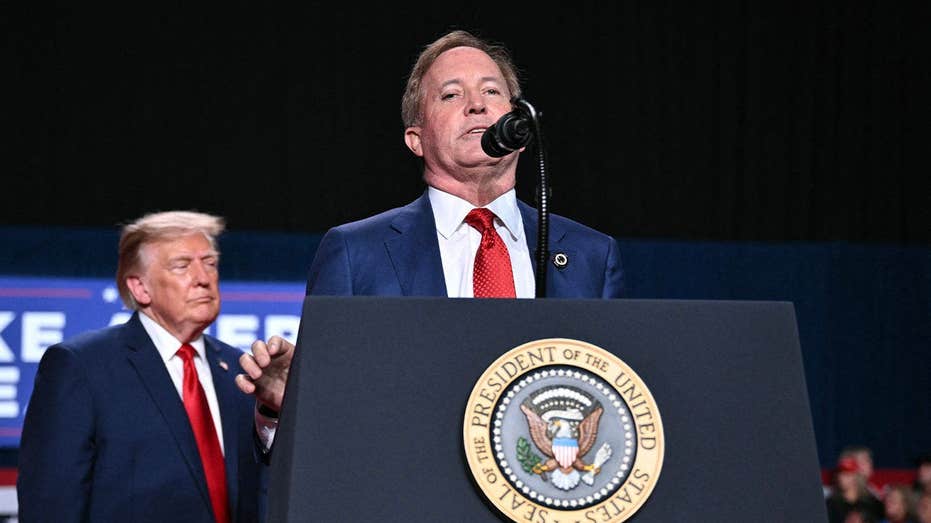
This weekend, Americans will engage in the twice-yearly ritual of turning back the clocks. On Sunday, November 1 at 2 a.m. local time, across most of the United States, daylight saving time (DST) will end with clocks moving back one hour as standard time returns. President Donald Trump has pushed to end the practice, keeping the country on daylight saving all-year round, and there has been one of the most significant congressional efforts in years to change the system.
House of Representatives passed the Sunshine Protection Act of 2025, which would effectively establish DST year-round rather than returning to standard time each winter. However, it has not yet cleared the U.S. The president has repeatedly pressed Republican senators to pass the legislation.
But Senate Majority Leader John Thune of South Dakota said earlier this month that there is "no clear path forward or consensus" in the Senate, while lawmakers including Arkansas Republican Tom Cotton have raised concerns over the darker winter mornings that permanent DST would create. "No one likes changing the clock, me included, but Congress has enacted permanent Daylight Savings Time multiple times before and repealed it each time once Americans experienced absurdly late sunrises in the winter. Arkansans don’t want their kids going to school in the pitch dark, and I’ll always put Arkansas first," Cotton wrote in an X post earlier this month.
The Sunshine Protection Act had already been introduced in Congress, but the 2025 version has made more progress than previous efforts. On July 14, it was passed by a bipartisan 308-117 House vote and then made its way to the Senate's Commerce, Science and Transportation committee. The bill would repeal the section of the Uniform Time Act governing the temporary annual daylight saving period and effectively advance U.S. standard time zones by one hour.
Practically, this would mean that most of the country would remain permanently on what Americans currently call DST rather than moving back and forth every spring and fall. But there has been opposition, and at present, it seems unlikely that the Senate will act on it before the end of 2026. In August, Trump urged GOP senators in a Truth Social post to “PASS THE SUNSHINE PROTECTION ACT, ASAP,” and said that Americans are “sick and tired” of the “foolish, inconvenient and, in some cases very costly,” practice of changing their clocks.
In another Truth Social post that month, the president called on the Senate to pass the “NO MORE CHANGING THE CLOCKS ACT,” arguing that more daylight in the evening could help fight crime. But despite the president putting pressure on the matter and saying earlier this year that he would “work very hard to see The Sunshine Protection Act signed into Law,” nothing will change before the upcoming clock switch on Sunday, and the practice will likely remain in play unless the legislation is passed and signed into law by the president. A source of confusion in the debate is that there are several different proposals that are often described as ending DST.
Extract — continue reading at the source.