I therefore ponder … which ground has the highest and lowest Google rating?” Pete Tomlin comes up clutch with this answer and one of the most impressive tables in Knowledge history. Therefore, where the scores are tied, I have used the higher number of votes as the decider with the largest number of votes being the winner. Not surprisingly, the bigger and more successful clubs tend to have the higher ratings.
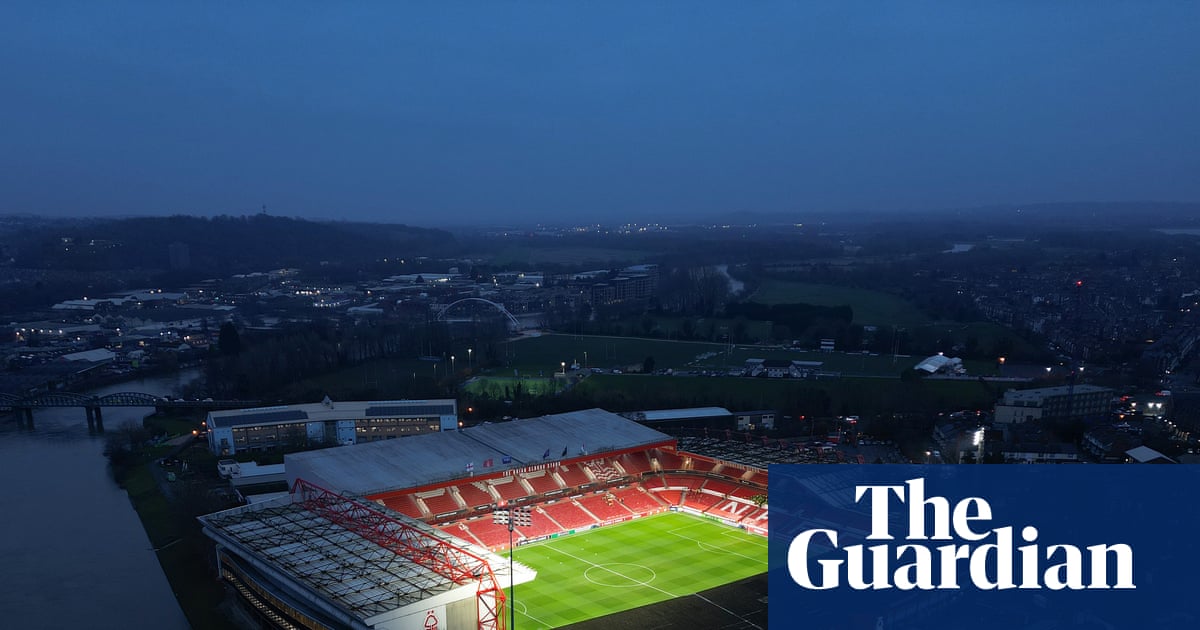
The nine highest-rated grounds are all Premier League clubs. Only two other clubs have achieved a 4.7 rating: Tottenham Hotspur (26,545 votes) and Nottingham Forest’s City Ground (2,245 votes). Just behind with a 4.6 rating are Old Trafford/Manchester United (54,535 votes), Emirates Stadium/Arsenal (34,778 votes), City of Manchester Stadium/Manchester City (32,246 votes), Stamford Bridge/Chelsea (25,434 votes), St James’ Park/Newcastle United (12,116 votes) and Elland Road/Leeds United (10,066 votes).
However, League One fares better with Leicester City/King Power Stadium in 10th position (4.6 from 7,573 votes). League Two’s highest rated ground is Exeter City’s St James’ Park – ranked 31st with a score of 4.5 from 246 votes. The lowest ranked Premier League ground is Hull City’s MKM Stadium (4.3 from 3,676 votes) and the lowest Championship ground is QPR (Loftus Road), down in 85th position with a rating of 4.1 from 3,458 votes.
Only two grounds in the Football League have been rated at 4.0: Oxford United’s Kassam Stadium (2,506 votes) and the ground in 92nd position (my club!), Stevenage’s SPORTA Arena (350 votes). Here is the complete English list, colour-coded by division: “There still hasn’t been a 0-0 draw in Serie A this season, after four five rounds of matches,” writes Stephen Hogg. But, you’d not be surprised to find the 21 divisions in which a longer wait was needed for a goalless draw all happened a long time ago.
This was only beaten by the 1894-95 season in tier two, where the first (of only two goalless draws in the season) came on 23 March 1895 between Arsenal and Crewe Alexandra, which was the 25th match of the season for Crewe (and the 26th for Arsenal). But you have been back in touch – with dozens of responses so apologies if your email didn’t make it – with some pre-1973 examples. Strips didn’t seem to exist then.
They weren’t sold by clubs. But they did have badges and sometimes numbers of the great players. Nor were they worn anywhere but on a football pitch!” The official Brazil kit was not sold commercially during the 1970 World Cup, so it is likely the Umbro garment differed slightly from the one issued to players.
Extract — continue reading at the source.