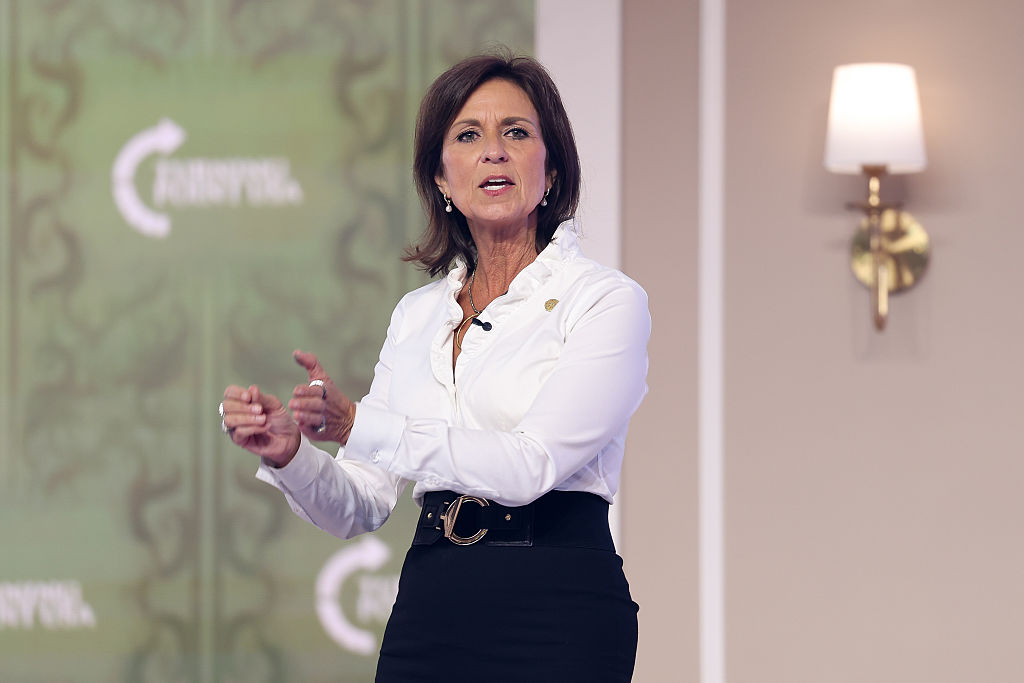
South African judge Navanethem “Navi” Pillay has been awarded the 2026 Nobel Peace Prize, becoming the fifth South African to win it. Making the announcement on Friday, the Norwegian Nobel Committee praised Pillay for her decades-long efforts to prosecute genocide and war crimes, which have been marked by “judicial rigour, personal integrity and considerable courage”. From defending activists in apartheid-era South Africa, to more recently overseeing a United Nations inquiry which declared Israel responsible for genocide in Gaza, the 85-year-old, who is also a judge at the International Court of Justice (ICJ), has specialised in international law for decades.
Here’s what we know about her life and why she has been awarded the world’s top peace prize: Navanethem Pillay, known as Navi Pillay, was born in the racially segregated city of Durban in South Africa’s Natal province in 1940 to parents of Tamil descent. After earning a law degree from the University of Natal, she became the first woman in Natal province to start her own law firm. Early in her career, she helped defend numerous anti-apartheid activists in the country.
She later became the first woman of colour to sit on the High Court of South Africa. She went on to preside over the International Criminal Tribunal for Rwanda (ICTR), which prosecuted those charged with humanitarian crimes during the 1994 Rwandan genocide. Pillay was the United Nations High Commissioner for Human Rights (OHCHR) from 2008 to 2014.
More recently she chaired the UN Independent International Commission of Inquiry on the Occupied Palestinian Territory which determined last year that Israel is responsible for carrying out genocide in Gaza. Currently, Pillay is a judge on the International Court of Justice, acting in a case in which Myanmar is accused of genocide against its mostly Muslim Rohingya minority. Pillay has spent much of her life advocating for human rights in her home South Africa and abroad.
While studying, she took part in boycotts and marches against apartheid. She later joined the legal defence of some of the country’s most prominent anti-apartheid figures, such as Phyllis Naidoo and Strini Moodley. In 1973, Pillay took on a case that helped secure basic rights, including legal access, for political prisoners on Robben Island, where Nelson Mandela was jailed.
In a 2016 interview with the Diplomatic Courier, Pillay said her early human rights work was “shaped by what (she) had experienced under apartheid”. Pillay oversaw a UN commission of inquiry which concluded in 2025 that Israel had committed genocide in Gaza. In a statement on the report, Pillay urged UN member states to do everything they can to establish a ceasefire in Gaza and to “ensure justice and accountability for all victims”.
Extract — continue reading at the source.