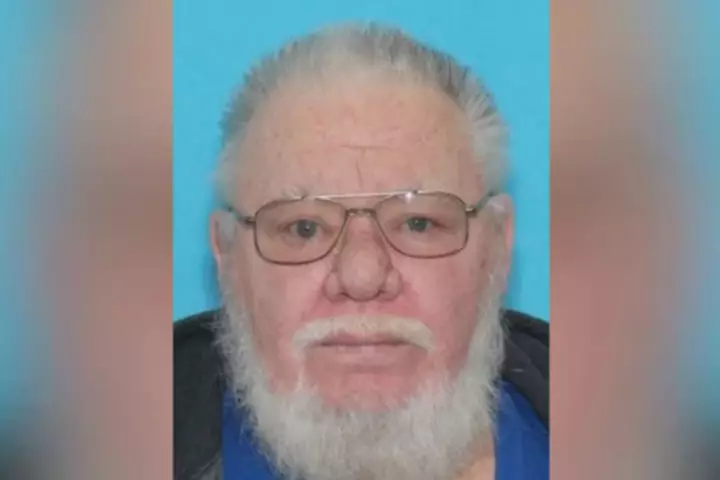
Pennsylvania State Police said it has identified the "serial killer" behind the Pittsburgh area 1976 and 1977 murders of Susan Rush and Brenda Ritter using DNA evidence. Both victims were raped and fatally strangled in Washington County. At a news conference on Wednesday, Corporal James Petrosky from Pennsylvania State Police's Troop B criminal investigation assessment unit said officials were able to identify the alleged killer as James Richard Clark Sr., a long-haul truck driver who died of natural causes in July 2023.
Newsweek contacted the Pennsylvania State Police for comment via email on Thursday outside regular office hours. Susan Elizabeth Rush disappeared on November 24, 1976, after leaving her job at the G. Murphy store near what was the Washington Mall in Washington County.
There are contrasting accounts of her age at this time, with the Pittsburgh Post-Gazette reporting she was 19, while CBS News gives her age as 21. Pennsylvania State Police has been asked for clarification. According to Petrosky, Rush was last seen shortly after 6 p.m. and had been due to meet her family for a dinner and church service the night before Thanksgiving.
When she didn't turn up, her family reported her missing that night. The following day, Rush's car was spotted by her brother around 10 a.m. about a quarter mile from where she worked. Her body was subsequently found in the trunk.
Citing authorities, the Pittsburgh Post-Gazette reported at the time that Rush had been strangled, possibly by a piece of leather or shoestring. Almost six months later, on May 18, 1977, 18-year-old Brenda Lee Ritter left the home of her boyfriend, Larry Bonazza, in Chartiers Township. Ritter's mother initially suspected she had stayed at Bonazza's home due to a storm, but she reported her missing the following morning after learning this wasn't the case.
A subsequent search found Ritter's body near Roupe Road on a hillside. A coroner later concluded she had been strangled. According to Petrosky, the breakthrough began after evidence from both cases was sent for DNA testing in 2008.
Extract — continue reading at the source.