Yemen’s Houthi rebels attacked four cities in the south of Saudi Arabia on Tuesday in another expansion of the six-month-old war in the Middle East. The Iran backed group said they were launching a broad operation deep into Saudi territory, claiming strikes on an airbase and energy infrastructure across the country, and sharing footage of explosions from attacks on trucks near the border. Houthi-controlled media reported later that Saudi warplanes had carried out four airstrikes in Yemen's Jubah district east of the capital Sanaa in another sign of escalation, pushing oil prices up 2% to $99 per barrel.
Pressure has for weeks been growing around the mouth of the Red Sea, where the Houthis have been striking Saudi ships in support of Iran, which is sustaining its own blockade of the Strait of Hormuz to the east in a bid to force the US to yield. As the Houthis push to widen the conflict with Saudi Arabia, and the US and Iran continue to trade strikes, the strikes undermine hopes of an imminent diplomatic resolution to the conflict. The Houthi rebels are a military, political and religious movement that rules over most of northwest Yemen and has disrupted global trade and energy markets with strikes on cargo ships and tankers in the Red Sea.
The group made headlines between 2023 and 2025 for its strikes on shipping in the waterway in support of Hamas in Gaza and Iran, during the conflict with Israel. Attacks on Saudi vessels around the Bab al-Mandeb Strait, a chokepoint controlling maritime traffic to the sea, have grown in recent weeks in support of Iran, which hopes disruption to shipping will help end its own war with the United States. The latest attacks on Tuesday, which Saudi Arabia said injured at least 73 people, saw an escalation of the recent strikes, bringing the war closer to Saudi population and further squeezing the economy of another key US ally in the area.
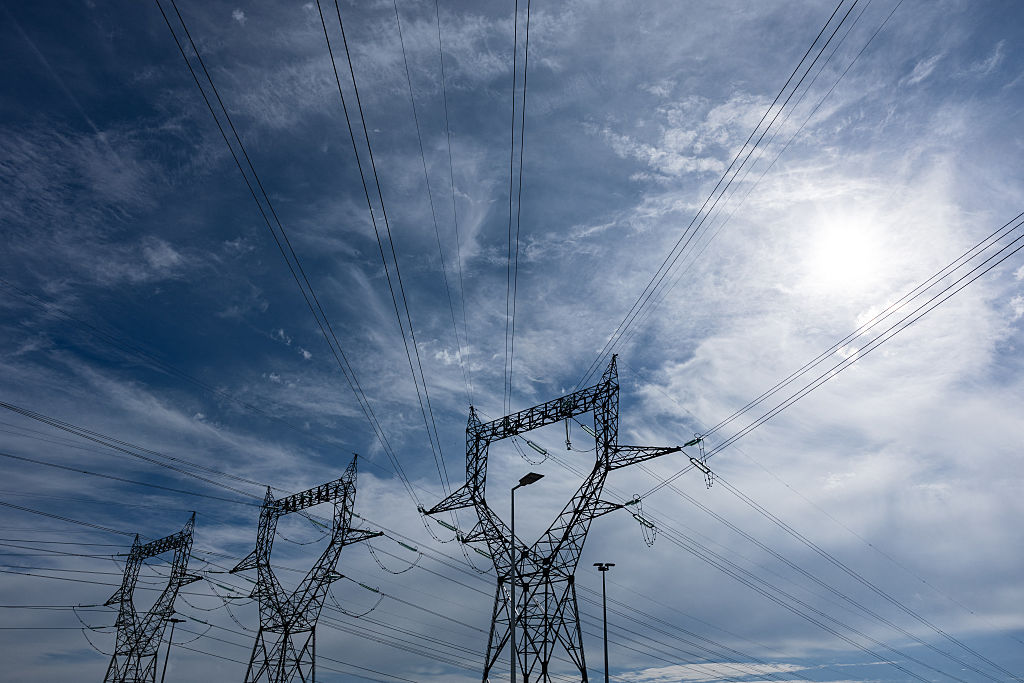
The Saudis - who are regional rivals to Iran - have been fighting with the Houthis for years, leading the military intervention against the group since 2015 aimed at dislodging them from the capital and restoring the government ousted in 2014. Tuesday’s missile and drone strikes focused mostly on energy infrastructure in southern Saudi Arabia, but the large numbers of casualties suggested they were among the largest carried out against the kingdom since the war began in February. The attacks are not a new thread, but fit into the wider ongoing conflict across the Middle East, said Lindsay Newman, associate fellow with Chatham House.
Risk in the Red Sea is now coupled with vulnerability in the Strait of Hormuz tied to Iran’s strategy to exert pressure over regional players and the global economy.” Newman said that one of the major open questions was the resilience of Iran’s proxy network across the region. While Hamas and Hezbollah have been degraded, the Houthi military “are proving more intractable” despite efforts to stop them. Crucially, she said, this was not addressed by June’s interim agreement between the US and Iran.
Washington had been pushing to raise the issue of Iran’s support for regional proxies before the war broke out in February. Otherwise these groups can and likely will resupply and remain disruptive across the region.” Following the Houthi attacks this morning, the Joint Forces Command of the Coalition - the Saudi-led group that has been fighting the Houthis during the Yemeni civil war - vowed to “resolutely confront” the Houthis’ “hostile approach”. Saudi foreign minister Faisal bin Fahran al Saud condemned the Houthi attacks, but insisted “the road to diplomacy is not closed”, even as the Houthis accused them of strikes on al-Jawf, al-Bayda, Marib and Taiz provinces.
Extract — continue reading at the source.