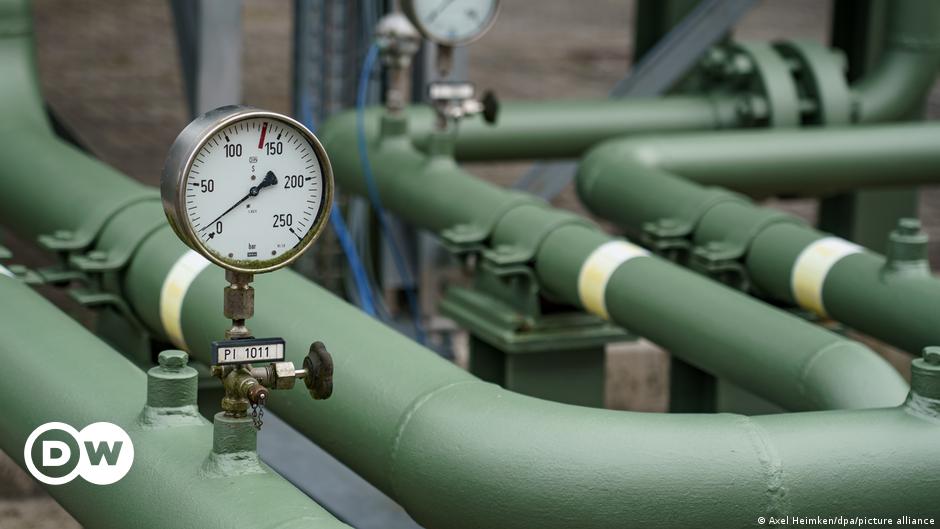
Germany's more than 40 gas storage facilities are barely over half full, mainly due to the ongoing closure of the Strait of Hormuz — currently the world's most critical energy chokepoint — because of the Iran war. According to Gas Infrastructure Europe, the industry body for the continent's gas grid operators, Germany's underground natural gas stores stood at 50.14% on Wednesday. This is the lowest level for mid-August in several years.
Gas storage is around a quarter lower than on the same date last year and more than 45 percentage points lower than in 2023 and 2024, when the country made robust contingency plans due to Russia's war in Ukraine. That conflict forced Germany, along with the rest of Europe, to reduce its reliance on Russian energy. The diversification came mainly through higher liquefied natural gas (LNG) imports from the United States and Qatar, as well as additional pipeline gas supplies from Norway.
In the years that followed the outbreak of war, policymakers prioritized boosting gas storage levels ahead of winter, while also cutting consumer and business demand. Normally, traders buy gas at low prices during the summer and store it for winter, where it can be sold at a higher price. This is called the summer-winter price spread.
This year, however, operators have little incentive to fill storage facilities earlier due to higher prices for natural gas and LNG on world markets, because of Iran war disruptions. European wholesale gas prices remain well above pre-war levels. On Thursday, the benchmark Dutch TTF stood at around €65 ($76) per megawatt-hour, roughly twice as high as during the same period last year.
Over the past two weeks, the benchmark has risen by nearly a quarter, because of renewed attacks by the US and Iran. To view this video please enable JavaScript, and consider upgrading to a web browser that supports HTML5 video Unlike many other European countries where governments buy gas or use strategic reserves to fill storage facilities, Germany relies heavily on private energy trading firms. Market players are betting on falling gas prices over the next few months if the Iran war ends, allowing them to profit from lower rates.
For LNG, however, Europe must compete with Asia for the same limited supplies, with Asian rivals often prepared to pay more. Politicians have accused traders of speculating on Germany's energy security, including Left Party lawmaker Jörg Cezanne, who told the Rheinische Post newspaper the tactic was a "gamble." On Wednesday, a spokesperson for Germany's Economy Ministry said it was "urging traders to increase their gas storage levels." Germany isn't the only European country with lower-than-average gas supplies. Storage facilities in the Netherlands, Belgium, Slovakia, Sweden and Latvia are all under 50% full.
Extract — continue reading at the source.