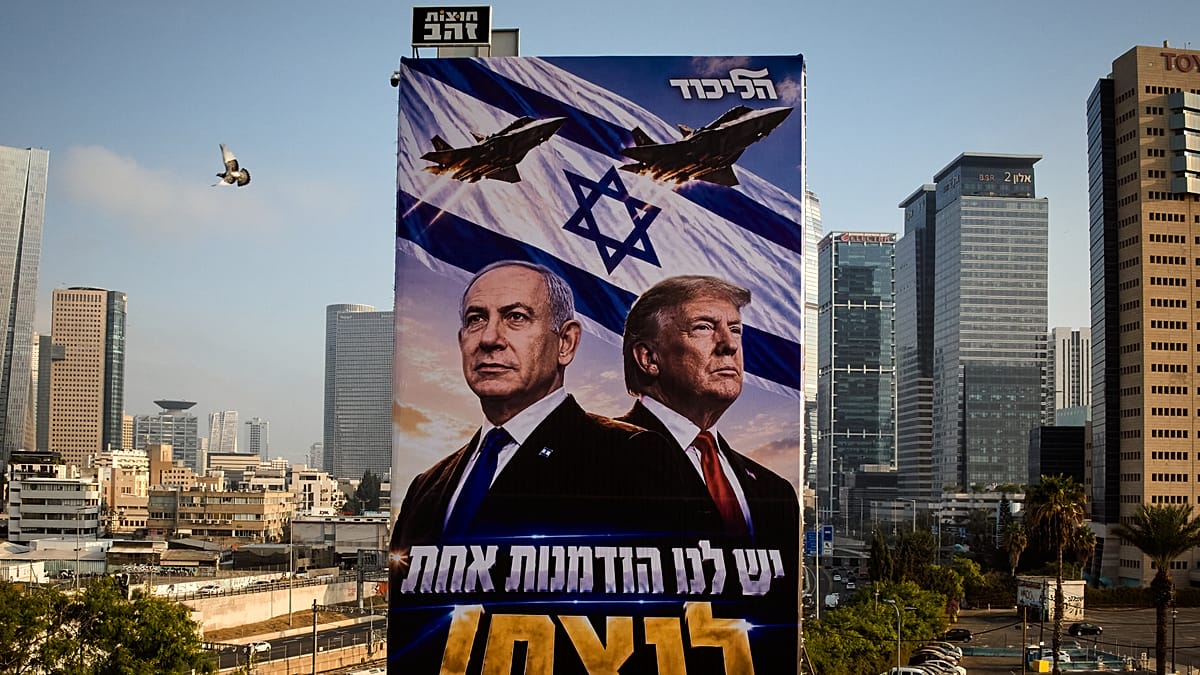
Israelis head to the polls on Tuesday in the country’s first national election since Hamas’s 7 October 2023 attack, a vote that is shaping up as a verdict on Prime Minister Benjamin Netanyahu. Yet for a country that has spent three years fighting on several fronts, the campaign has been strikingly quiet on how those wars were fought. Israel’s conduct in Gaza, which led to an international arrest warrant for Netanyahu, has barely been debated.
Nor have its occupation of much of southern Lebanon and parts of Syria, or the two wars it launched against Iran. All enjoy broad support among Jewish Israelis. The main contenders have instead argued over Netanyahu himself: his character, his responsibility for the security failures of 7 October, military exemptions for ultra-Orthodox men and his 2023 attempt to overhaul the judiciary.
There is also little to separate the two main blocs on the Palestinian question. Both are dominated by parties that back Jewish settlement in the occupied West Bank and oppose a Palestinian state, and no leading candidate is calling for a revival of the peace process. Reminders of the war are everywhere.
Stickers bearing the faces of fallen soldiers line train stations, alongside fading yellow ribbons for the hostages, the last of whom came home under a ceasefire deal last year. According to the Israel Democracy Institute (IDI), a Jerusalem-based think tank, around 68% of Jewish Israelis say their views on 7 October are central to how they will vote. Among Arab citizens, the figure is 32%, with most naming crime as their main concern.
Netanyahu, Israel’s longest-serving prime minister, has pointed to military gains against Hamas, Hezbollah and Iran while placing blame for the 7 October failures on the security establishment. His critics say he has dodged accountability by blocking an official state inquiry. They also accuse him of delaying a hostage deal and of failing to secure a decisive victory on any front.
The issue that has stirred the most anger is conscription. Military service is compulsory for most Jewish Israelis, but Netanyahu’s coalitions have long depended on ultra-Orthodox parties that insist yeshiva students be exempt. Resentment has grown as reservists have been called up repeatedly and the army struggles with a manpower shortage.
Extract — continue reading at the source.