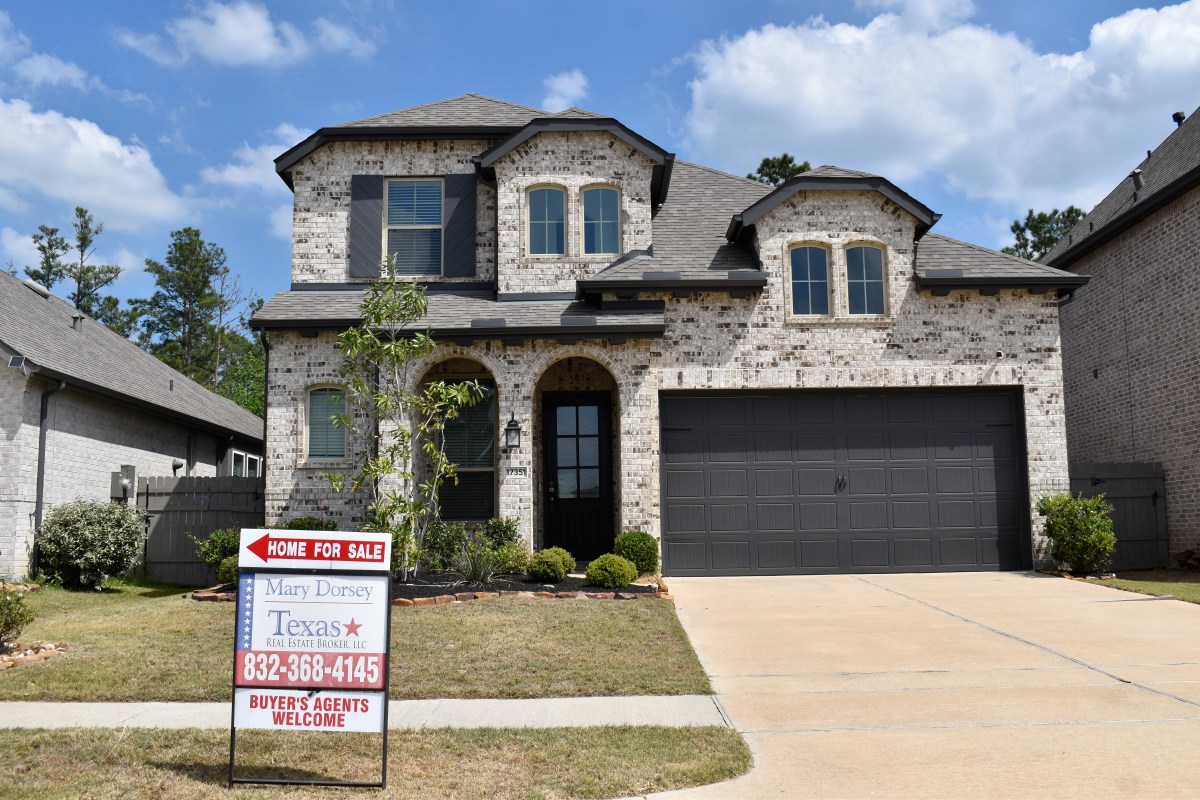
The upcoming “silver tsunami,” a massive transfer of wealth that experts predict will happen when baby boomers downsize, sell, or leave their homes to their relatives, could ease the country’s housing shortage while creating a whole new set of problems, according to experts. Within the next decade, an estimated 13.9 million homes currently occupied by baby boomers and the Silent Generation will change hands, according to Realtor.com’s latest Generational Housing Succession report, published on Monday. If just 45 percent of the roughly 1.27 million homes projected to be released next year were put on the market, that alone would be enough to bring annual for-sale listings back to pre-pandemic levels, researchers found.
Only a limited number of states, most of them in the South, have achieved this over the past few years—and it could be a way to fix the current housing gap. This release of real estate has already begun—as a trickle rather than one big wave. Inherited homes accounted for a record 7 percent of all U.S. property transfers in the 12 months ending in August 2025, totaling 340,000 properties, according to Cotality.
In the same period, nearly 60 percent of sellers were 60 or older. Housing turnover over the next decade might push up for-sale inventory in states and cities that, because of their demographics and dwindling family formation among younger generations, may struggle to absorb it. According to a study released in April by the National Association of Home Builders (NAHB), Pittsburgh, Pennsylvania, Buffalo, New York, and Rochester, New York, are among the markets most at risk for housing turnover to outrun new demand, as a concentration of older populations here coincides with slower population growth.
But the issue is hardly confined to the Northeast. The highest share of housing occupied by Americans over 65 tends to be concentrated in the coastal areas and warmer regions of the U.S., including the southern East Coast. Unsurprisingly, Florida boasts seven of the top 10 U.S. metropolitan areas with the highest shares of senior homeowners, with Wildwood-The Villages, a metro area that includes the biggest retirement community in the world, currently having the highest concentration of homes owned by Americans over 65, at 68.2 percent.
It was followed by Homosassa Springs (52.7 percent), Punta Gorda (52.5 percent), Sebastian-Vero Beach-West Vero Corridor (50.9 percent), and Naples-Marco Island (49 percent). Arizona, Massachusetts and New Mexico also appear among the top 15 metros with the highest share of older households, alongside other Florida metros. Barnstable Town, Massachusetts, had the sixth-highest share in the nation at 48.4 percent.
Prescott Valley-Prescott, Arizona, followed with 48 percent. Santa Fe, New Mexico, had a share of older households of 42.7 percent. Only a small fraction of the homes expected to be released on the market by boomers will be starter homes—smaller, cheaper homes that usually serve as the first step on the property ladder for renters, and that the country chronically lacks.
Extract — continue reading at the source.