We discussed topics I know little about: the instability of modern economies, the feasibility of commercial space travel, the likelihood of a coup in Russia. I found myself leaning in and asking questions: I felt as if I could learn a lot from this person. We eventually got to psychology, which is more my wheelhouse.
I brooded about how easy it’s become for people to accept strange ideas. We live in our own echo chambers, defined by the channels, feeds and influencers we follow. As a result we can arrive at very polarised conclusions about vaccines, the climate, gender, geopolitics, the shape of the Earth and everything else.
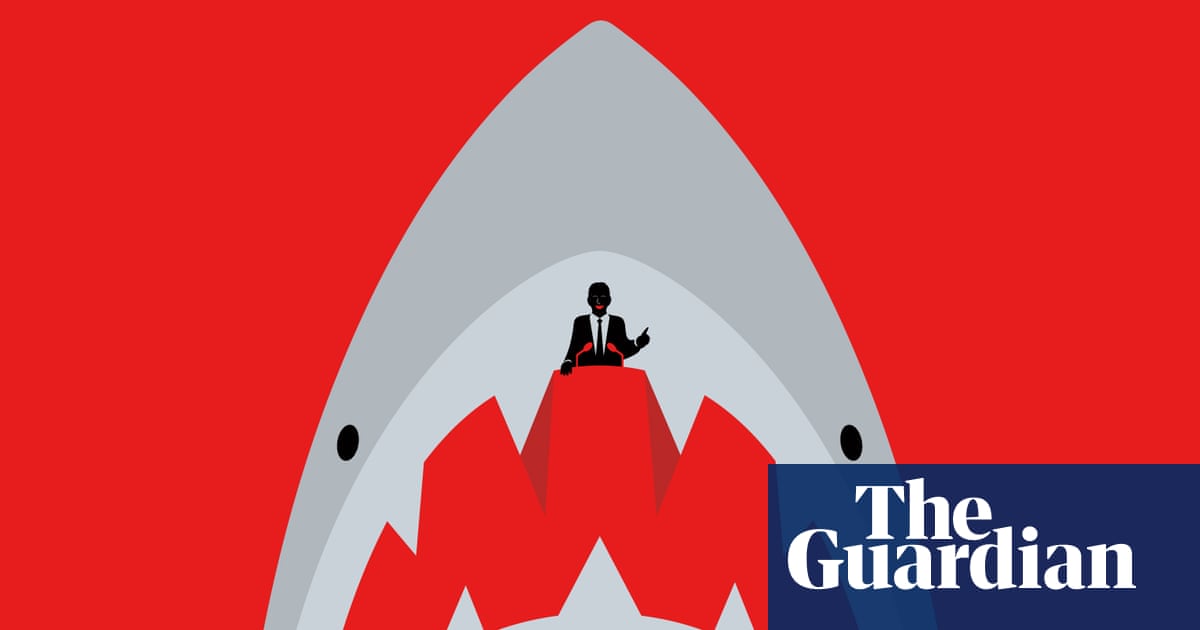
Disagreements on topics like these frequently damage relationships, alienate friends and estrange loved ones. How did things get so bad? I believe the answer is, in part, that we’re constantly exposed to a novel form of charisma.
As a psychiatrist, I’ve always been fascinated by this quality: the magnetism that brings out a deep sense of trust, loyalty or enthusiasm in others. The psychology of charisma tells us that it is not necessarily a magic, undefinable X-factor, but rather a set of skills and behaviours. Sometimes people have it naturally, sometimes people learn it.
I have some experience with this. When I started my podcast a few years ago, I struggled (as I still do) with my monotonous voice. All the content creation experts said the same thing: switch up the pitch, pace and volume of your speech to maximise audience engagement.
Slick production is optional, charismatic communication is not. Storytelling, body language, moral outrage and more can be mastered to help would-be internet personalities put a spell on their audience. It’s been a huge lesson for me to discover how difficult it can be to discuss big topics in the mental health space responsibly, even as a trained professional.
Extract — continue reading at the source.