Some of the benefits of a rigorous workout might one day be achievable without any physical exertion. A study in mice shows that injecting muscle cells beneath the skin creates a patch of these cells that continuously contracts, delivering some of the benefits of exercise around the clock. While this should never replace physical activity, it may be helpful for people who are unable to exercise, such as those in hospital.
Initially, Ng Shyh-Chang at the Beijing Institute for Stem Cell and Regenerative Medicine in China and his colleagues injected muscle cells into mice with the aim of increasing their muscle mass, but this had an unexpected result. The exercises you need to do to reach 100 in great shape They started by taking samples of muscle stem cells from live mice, which they cultured until the cells differentiated into mature, contractile muscle cells known as myocytes. They then injected these just beneath the skin on the backs of the same mice.
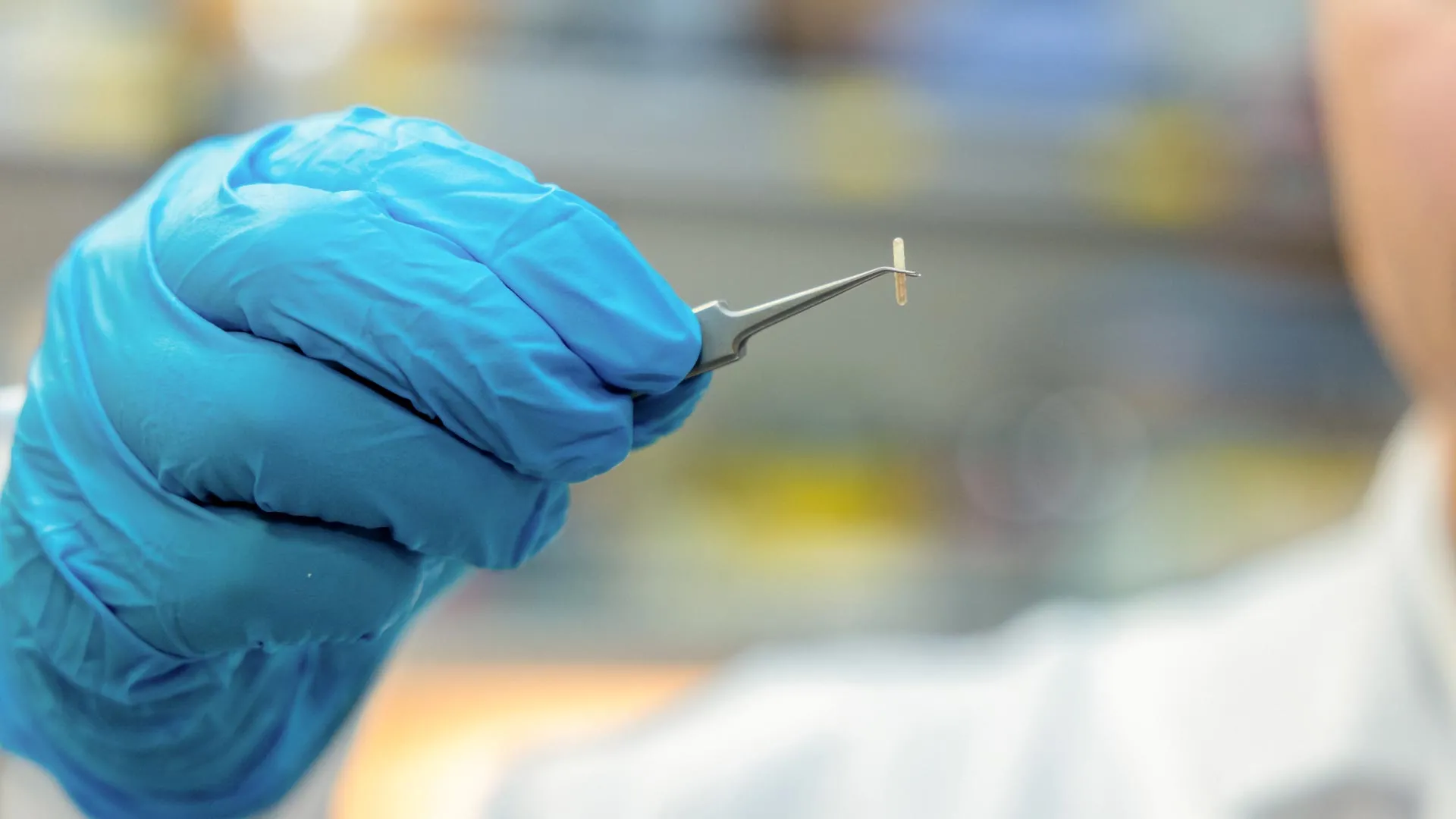
With an injection of about 6 million myocytes, a patch of cells formed, creating its own network of mini blood vessels. This then began to pulse continuously, even when the mice were asleep. Various experiments showed the patches had widespread effects around the mice’s bodies.
For instance, the mice given the muscle patches had a higher whole-body muscle mass and better immune function compared with those that got a sham injection. All the mice were free to move around their cages as normal during the study. What’s more, in mice that were 18 months old (roughly equivalent to a person in their late 50s or 60s) and those fed to induce obesity, the patches improved muscle mass, bone density, physical strength and endurance.
These mice also showed reversal in signs of liver damage, as well as reduced inflammation and the ability to navigate a maze faster. There also seems to be very little reduction in volume over time and no evidence of tumour growth, which can be a risk after implanting stem cells. People who do several very short bouts of strenuous activity each day are much less likely to die in the next few years than those who do no exercise at all Shyh-Chang hopes the patch could help people with medical conditions that stop them from exercising.
The researchers are talking to several hospitals about starting clinical trials in people with limited mobility, which could begin within a year, he says. Tang stresses that the patch should be thought of as mimicking some aspects of exercise, rather than replacing it. Nature Aging DOI: 10.1038/s43587-026-01190-3
Extract — continue reading at the source.