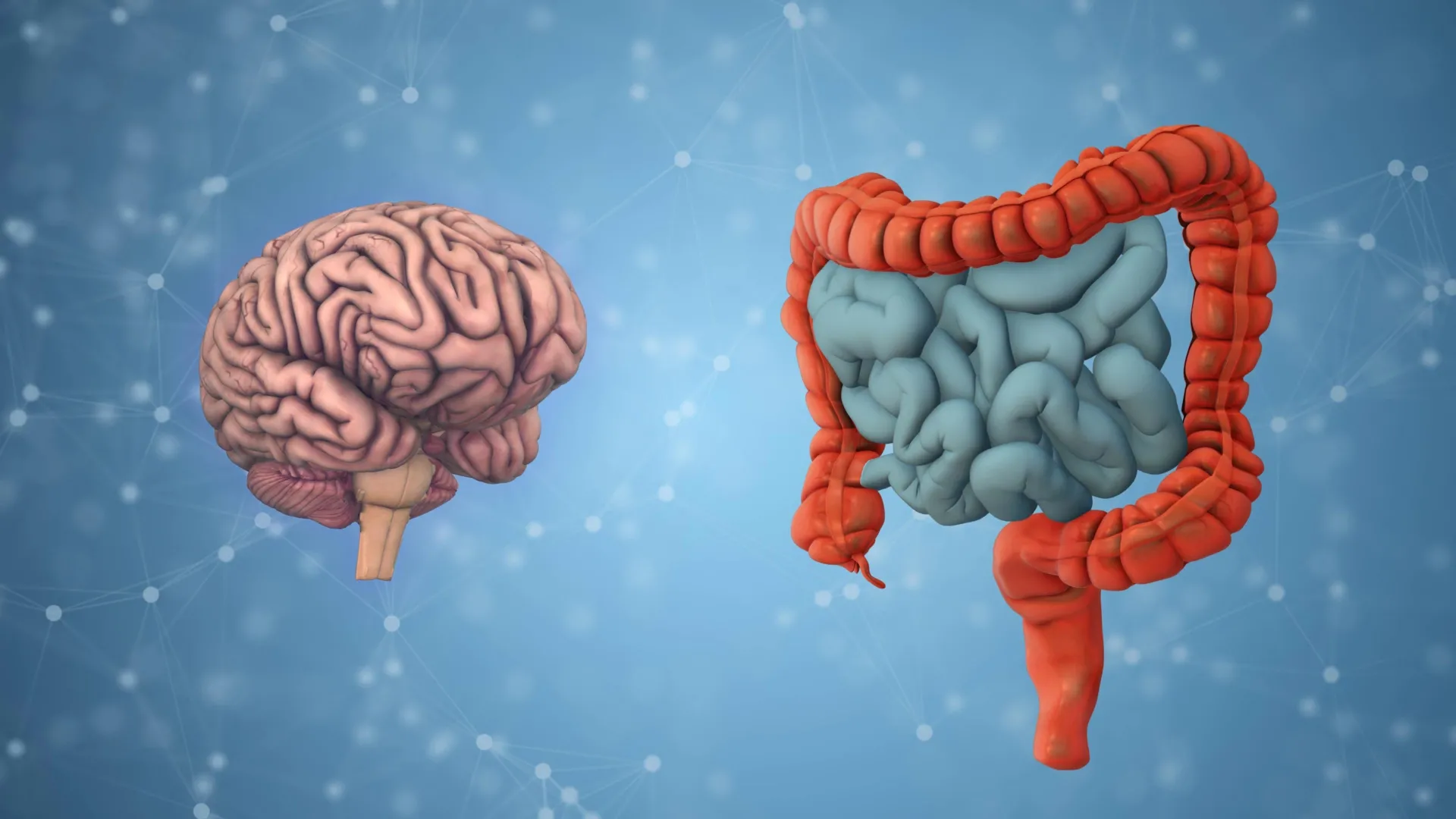
A new UCLA study suggests that the pace of brain aging may be connected to bacteria in the gut and the chemical compounds they produce. The findings offer a new look at biological changes that may begin long before noticeable problems with memory or thinking appear. Scientists have used brain scans for years to estimate a person's "brain age," which can differ from chronological age.
Previous research has found that when the brain appears older than expected, that pattern can be associated with poorer memory, weaker thinking skills and changes in mood. Most earlier studies, however, focused on older adults or people who already had neurological conditions. That left an important question unanswered: does an older looking brain also matter in younger, generally healthy adults?
In a new study published in the journal eBioMedicine, UCLA Health researchers examined brain scans from nearly 1,500 adults divided across three separate groups. The team used a scanning approach that measures how different areas of the brain communicate with one another while a person is at rest. Researchers then created a computer model that estimated each person's age based on those communication patterns.
They compared the estimated brain age with each participant's actual age. The difference between the two became what the researchers called the Brain Aging Index (BAI). Older-Looking Brains Were Linked to Memory and Mood Across all three groups, participants whose brains appeared older than their chronological age generally performed worse on tests of working memory and executive function.
Those abilities help people hold information in mind, stay focused, plan, and organize. People with a higher Brain Aging Index also reported more symptoms of depression. The patterns repeatedly involved brain regions associated with memory and self-referential thought, or the mental processes people use when thinking about themselves and their own experiences.
For one of the study groups, the researchers also examined stool samples to see whether differences in brain aging were connected to changes in the gut. They found that a higher Brain Aging Index was associated with specific gut bacteria and several metabolic byproducts. These included certain fat molecules, a cholesterol-related compound and lower levels of a hormone called estetrol.
Extract — continue reading at the source.