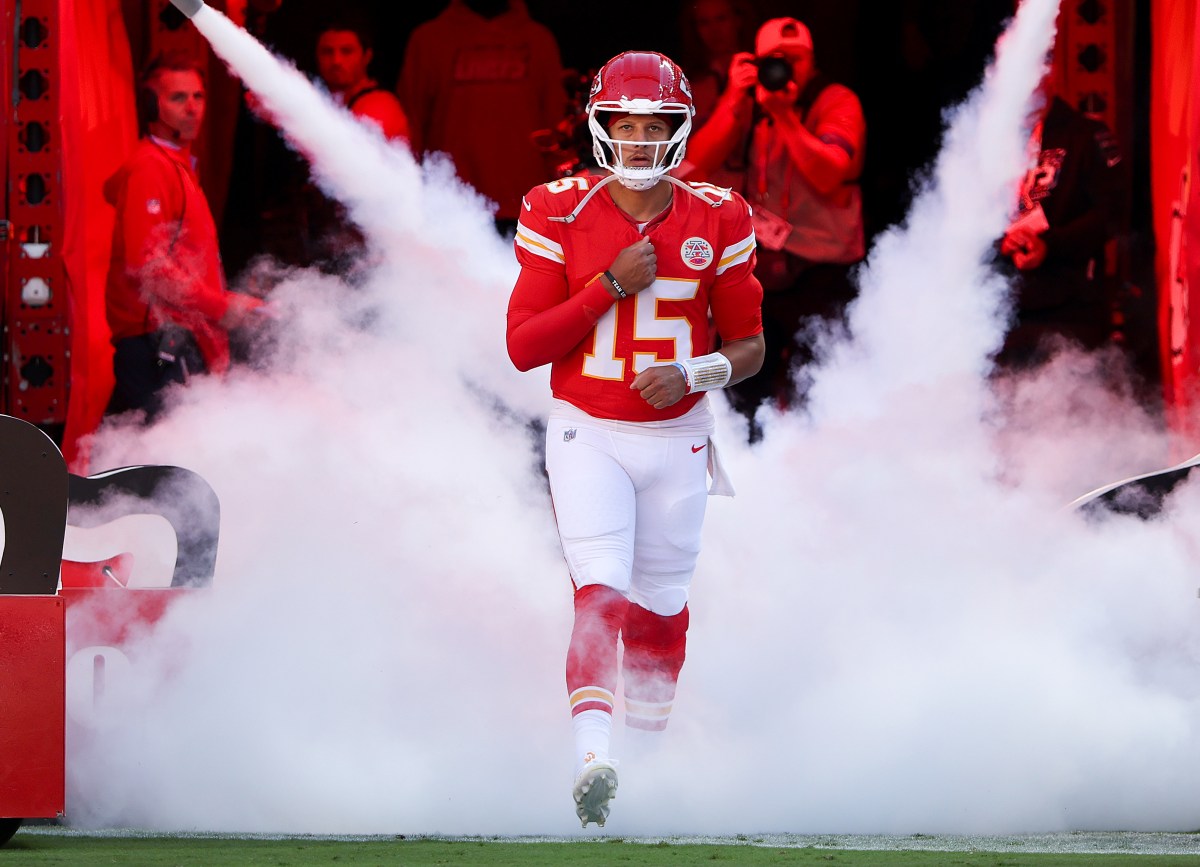
This is part of an ongoing look at the 2027 quarterback class, combining my scouting reports with more than a decade of historical data. We've already looked at why this supposedly loaded class may be closer to 2025 than 2024. Patrick Mahomes was the Air Raid system quarterback.
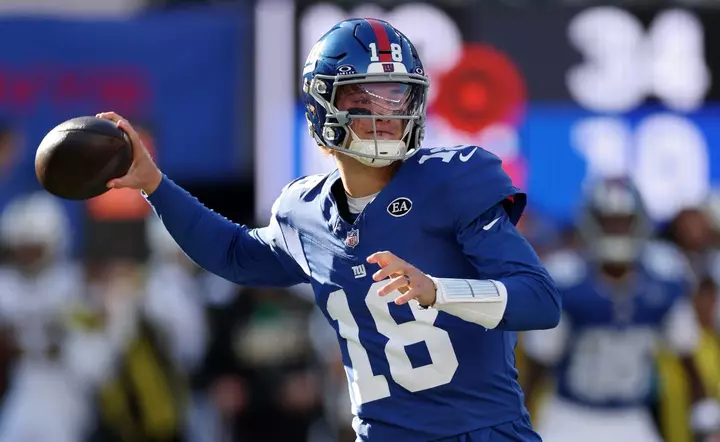
Josh Allen was the traits bet. Jordan Love was the raw passer from Utah State who threw 17 interceptions in his final season. Daniel Jones was the quarterback the Giants reached for at No. 6.
Drake Maye entered his final year at North Carolina in the conversation for the No. 1 pick, wasn't nearly as good as he'd been the season before and still went third overall. We remember those evaluations for different reasons, but they tend to get lumped into the same general conversation: quarterbacks NFL teams were willing to gamble on despite unconventional college resumes, uneven production or questions that made them more projection than finished product. Go back through the numbers, though, and something interesting happens.
Most of these quarterbacks weren't nearly the historical outliers we remember them as. That was one of the biggest things I found while researching the 2027 quarterback class. For that, I created something we'll call the First-Round Readiness Score -- FRED for short -- to answer a specific question: How close is a quarterback to looking like the players who historically become first-round picks?
FRED looks at the things that have historically separated first-round quarterbacks -- passing efficiency, touchdown and interception rates, QBR, experience and, importantly, a quarterback's best three- and five-game stretches. The idea isn't to predict whether he'll succeed in the NFL; it's to measure how much his college performance, at that point in his career, resembles what we've historically seen from future first-round picks. The scale is intentionally easy to read: 50 is the historical first-round threshold.
But for what we're trying to learn here, when a quarterback gets there may be just as important as whether he gets there at all. The most revealing FRED score turned out to be the one before his final college season because it tells us which quarterbacks had already started playing like future top picks with another season still to go. Here's why: 22 quarterbacks in our historical sample had played enough football to reach a FRED score of 50 before their final seasons.
Extract — continue reading at the source.