Sustainable architecture has come to the forefront of design innovation in recent years, in the age of rapid urbanization, ongoing housing shortages, and climate change. One solution has been to go underground, which architects and engineers have argued could be the future of construction on the Moon due to the unique conditions of the lunar environment. But could subterranean homes work for life back on Earth?
The concept of underground living, or earth-sheltering, is a building tradition that “predates modern insulation entirely,” Erla Dögg Ingjaldsdóttir, the co-principal and founder of Santa Monica-based architecture and design firm Minarc, told Newsweek. Modern interpretations of this have included projects like the “Underground House of the Future,” a building experiment set in northern China that features a series of vaulted rooms in a rectangular pit, designed by a team led by architecture professors at the University of Hong Kong. A similar design with a home hidden within a sunken courtyard was also seen in an earth-sheltered house in Scottsdale, Arizona.
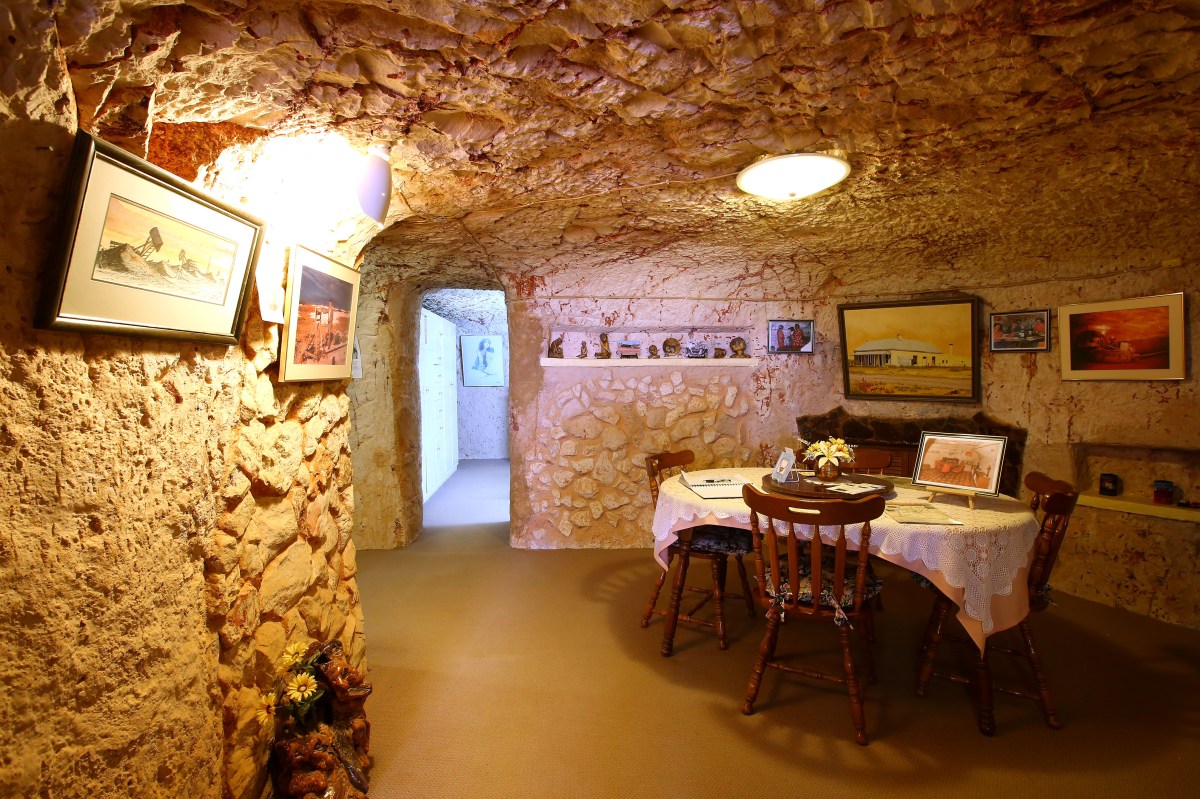
Mexican architect Javier Senosiain’s Casa Organica (Organic House) aimed to create the feeling of entering the earth, with the home covered by a garden made of grass and soil, which would help keep the home warm in the winter and cool in the summer. The Australian mining town of Coober Pedy is known for its subterranean dwellings. Around half of its population is estimated to be living underground, where they enjoy an even year-round temperature ranging from 73 to 77 degrees Fahrenheit (23 to 25 degrees Celsius).
While the benefits of underground housing are “real,” experts also warn that the risks are “significant," and the biggest issue may not be technical. Ingjaldsdóttir explains that earth-sheltering is “one of the oldest building methods in Iceland, where I'm from.” While Icelandic turf houses–torfbæir–weren't underground, they used the same principle, the Los Angeles-based designer explained. They had “earth and turf packed against the walls and over the roof as insulation against extreme cold and wind, because timber and other materials were scarce,” she said, noting “people lived in them for centuries.” Ingjaldsdóttir sees modern earth-sheltered design as “the turf-house principle refined,” with better waterproofing and engineering behind it, which helps lower operating costs over the life of a building, and offers more protection from wildfire, high wind, and extreme heat.
The designer said: “The energy case [for undergrounding housing] is real and well-documented.” A February 2026 study in Tunnelling and Underground Space Technology noted that “in the face of global challenges such as climate change and resource depletion, urban underground space (UUS) is increasingly recognized as a multifunctional natural asset that supports critical ecosystem services, including spatial provision, energy storage, material circulation, and habitat formation.” Ingjaldsdóttir explained that soil temperature a few feet down remains “remarkably stable” year-round, which helps to avoid the heating and cooling swings that a conventional house may have to face. David Gilliland, the CEO and founder of The Paulele Hale Association, a nonprofit dedicated to developing climate-resilient housing and communities, agreed, telling Newsweek that in the right geography, “using the earth as part of the building envelope can significantly moderate temperature swings, reduce heating and cooling demand, and give a home substantial protection from wind, wildfire exposure, and some forms of extreme weather.” Gilliland notes that “the advantages [of underground homes] are real, but so are the engineering challenges.” He emphasized how systems to control water intrusion, drainage, soil pressure, radon, ventilation, daylight, emergency egress, and long-term waterproofing all have to be designed correctly from the beginning. Ingjaldsdóttir echoed Gilliland’s sentiment, noting that the risks that come with underground housing are “significant and often underestimated.” Waterproofing and moisture management are “non-negotiable and expensive to get wrong,” while natural light and ventilation “take real design skill to solve well,” she warned.
The designer also noted that structural costs run higher than a standard wood or steel frame home “because you're retaining earth loads.” Ingjaldsdóttir points out that ultimately, the resale and financing of underground houses can be harder too, with appraisers and lenders being less familiar with these types of homes, which affects long-term value. Jeremy Suard, the co-Founder and CEO of Exodigo, a tech company that specializes in underground mapping, told Newsweek: “The hardest part of building underground isn't the engineering—it's the uncertainty about what's already down there.” According to a report from the Common Ground Alliance, the damage to buried utilities costs the U.S. economy $83.2 billion in a single year, across nearly 669,000 incidents. Almost 90 percent of that damage happens in urban areas— the same places where underground housing would have to be built, Suard said.
Extract — continue reading at the source.