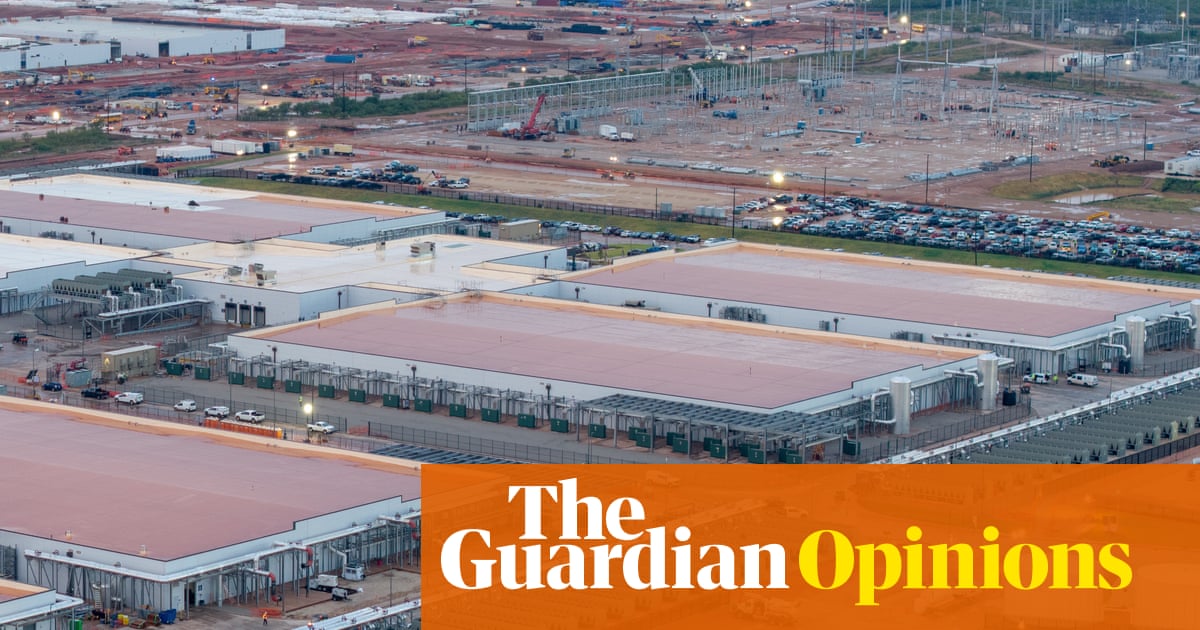
Some experts are warning of a looming “debt bomb” crisis because big datacenter builders such as Meta, Oracle, xAI and CoreWeave are not only raising billions to construct these facilities but are also not recognizing these long-term debt obligations on their balance sheets. I know because I’ve seen this movie before. It works like this: Meta wants to build a datacenter to accommodate its growing AI and cloud computing needs.
It forms a separate entity that’s not consolidated in its financials, which builds the datacenter. To fund this, the entity raises money from investors, banks and other financial firms (including some from Meta) that own the majority of the entity. There is a contract by which Meta has exclusive and full use of the datacenter once built.
This way Meta gets its datacenter but most of the debt incurred to build it is not shown as a liability on its books. The worry comes from the enormous sums of money being plowed into these entities. The Financial Times reported in December 2025 that tech companies had shifted more than $120bn of AI datacenter spending off their balance sheets through special-purpose vehicles and similar financing structures.
Goldman Sachs estimates that hyperscalers could spend $5.3tn on AI and datacenters through 2030 and expects private markets to play an increasingly important role in financing that buildout. Skeptics are worried that these tech guys are pulling the wool over the public’s eyes and not properly disclosing the long-term impact of all this debt. They point to Enron, the energy firm that spectacularly failed in 2001, causing tens of billions of dollars of losses to its shareholders and contributing to a historic market meltdown.
Argue about consolidation. But don’t call them Enron. Enron caused the Enron crash.
It’s highly unlikely that fraud at that level is being perpetuated now by these companies. When I first started out in accounting back in the mid-1980s, my biggest client was a publicly held biotechnology firm called Centocor, which, at the time, was developing drugs using a technology based on monoclonal-antibody treatment for various purposes including sepsis. To raise money, Centocor also did off-balance-sheet financing.
Extract — continue reading at the source.