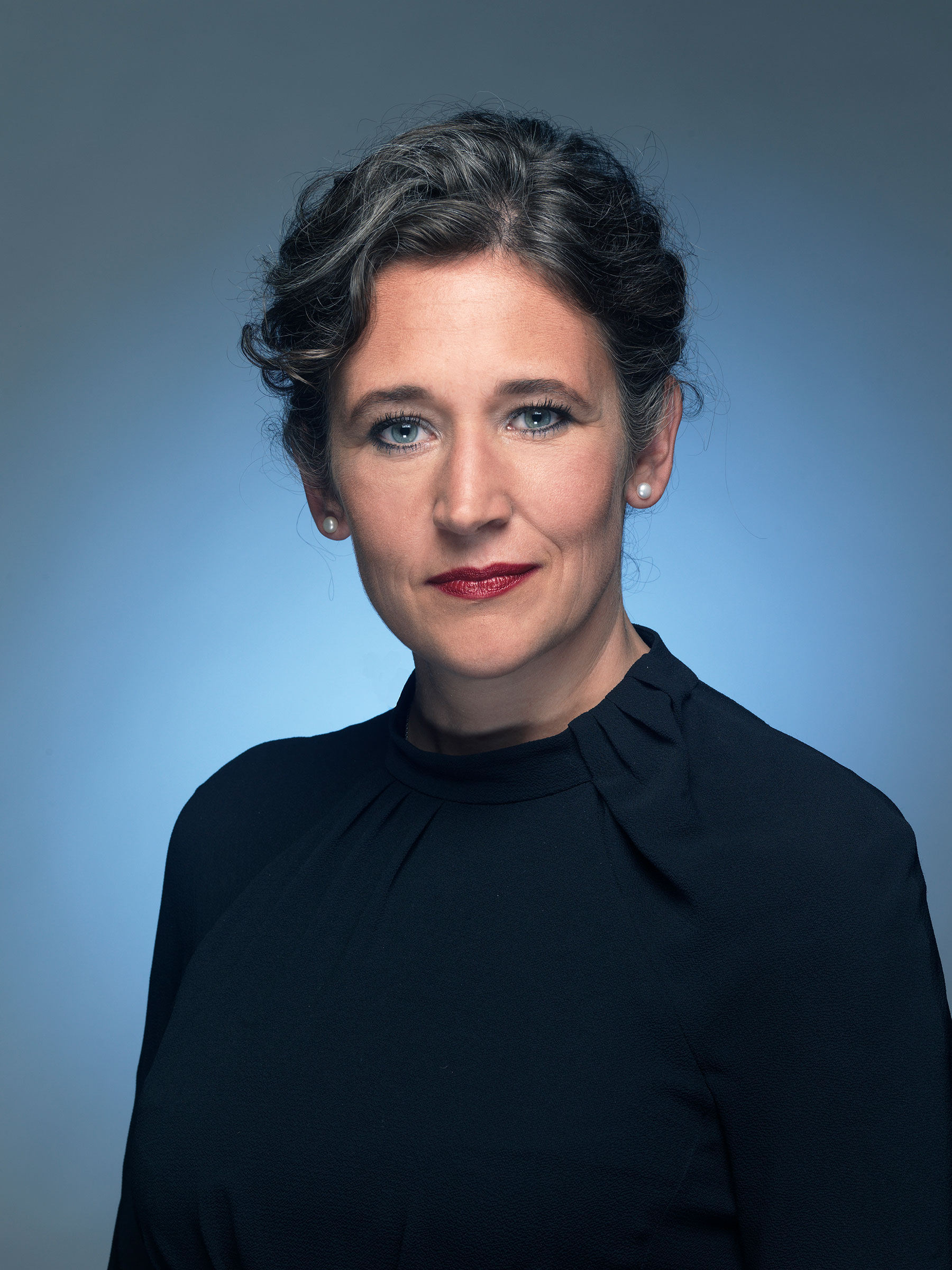
Andrea Maier realized a fundamental truth about herself when she was in medical school: She was fascinated by old age. As a child, she’d been awed by women of great age and power, like her grandmothers. Working with older patients, she was curious about the intricate cellular systems that either preserved or destroyed their bodies.
Her groundbreaking body of clinical research investigating whether the various drugs and interventions that make mice live better, longer—including supplements like nicotinamide mononucleotide (NMN) and alpha-ketoglutarate (AKG)—translate into people has brought her to the forefront of longevity medicine worldwide. Maier hopes the brand-new, state-of-the-art center will help generate the evidence needed to give longevity medicine a solid scientific base, and train a new generation of doctors on the science of longevity. She notes the center “is now too small again, because we have too many trials—which is great.” In contrast to many other longevity studies, which tend to recruit people from the general population, Maier’s trials mainly enroll people whose biological age, measured by looking at age-linked alterations in various organs and tissues, is older than their chronological age.
By doing this, she increases the chances that if a supplement, say, can help a subset of people, Maier and her will be able to see it in the results. This is part of her vision for producing individualized, precision-medicine plans for patients, so people can zero in on interventions that match their biology. Telling everyone to take a given molecule is a little like giving everyone diagnosed with cancer the same chemotherapy, or handing out insulin regardless of diabetes status, she says.
Maier’s PROMETHEUS trial, which investigated this tailored approach, involved specialized dietary and exercise advice, supplements, and cognitive behavioral therapy, among other interventions. An 8-week pilot protocol evaluating the effects on markers of muscle, cognitive, and immune function in 20 people produced “promising results.” Next, she and her team are planning a randomized controlled trial, which will allow the team to study whether the inventions have a beneficial effect on health over the course of a year.
Extract — continue reading at the source.