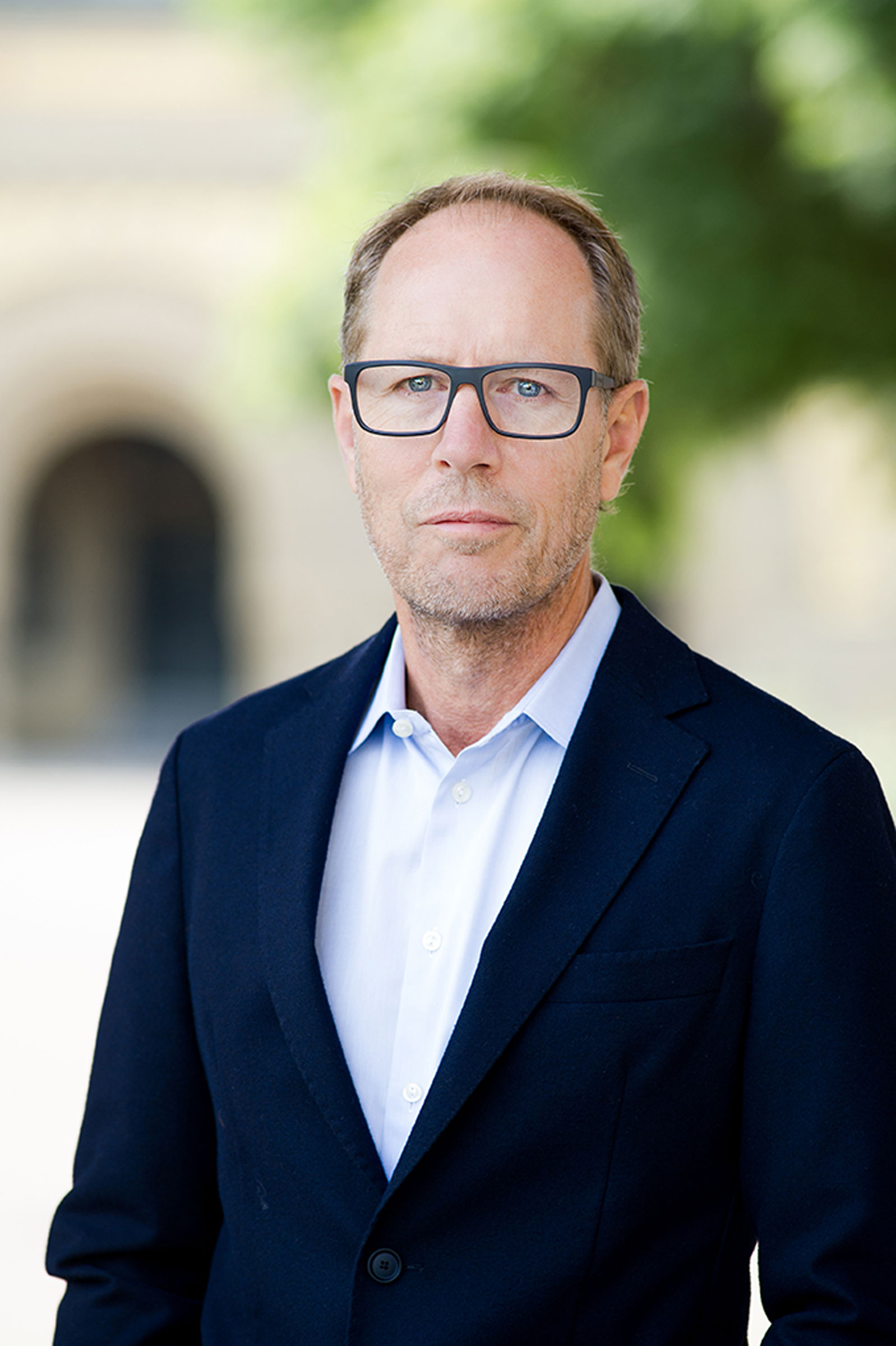
It seems odd that your body’s internal age may differ from your chronological one. But Tony Wyss-Coray, a Swiss professor of neurology and director of the Knight Initiative for Brain Resilience at Stanford University, has pioneered ways to measure a person’s “biological age,” which scientists say more accurately reflects how a body is aging than does chronological age. Wyss-Coray’s tests measure different protein levels in the blood that he says can reveal the biological ages of the brain and other organs.
The higher the biological age of a particular organ, his research has found, the higher the risk of disease to that organ—and the “older” a person’s organs are overall, the higher their risk of death. Vero Bioscience, a company Wyss-Coray cofounded, is running clinical studies to see how accurate these tests are in the real world. They could be used in clinical trials for longevity drugs and other interventions, he says.
Wyss-Coray also studies the aging brain. His PhD in immunology led him to study the role of the immune system in the brain and in neurodegenerative diseases such as Alzheimer’s. It was during that training that Wyss-Coray homed in on an idea that has come to define his research approach: That the brain and other organs are interconnected with the rest of the body, and that only by unraveling and identifying those connections can aging and disease be understood and possibly halted.
In 2007, he and a group of collaborators published a paper that tested this idea for the first time. They looked at blood samples from people with Alzheimer’s disease to see if their levels of certain proteins were different from those of healthy people, and if those differences could then be used to detect the disease. Since then, Wyss-Coray has embarked on projects that have expanded our understanding of just how profoundly the brain and other organs are influenced by proteins, immune signals, and other factors circulating in the blood, particularly related to aging and disease.
His lab famously showed how infusing older mice with blood plasma from younger mice improved their cognitive function (and conversely, blood plasma from old mice accelerated the aging of younger animals). Another company he cofounded, Alkahest, is now exploring how human blood plasma could be used to treat diseases such as Alzheimer’s and Parkinson’s disease.
Extract — continue reading at the source.