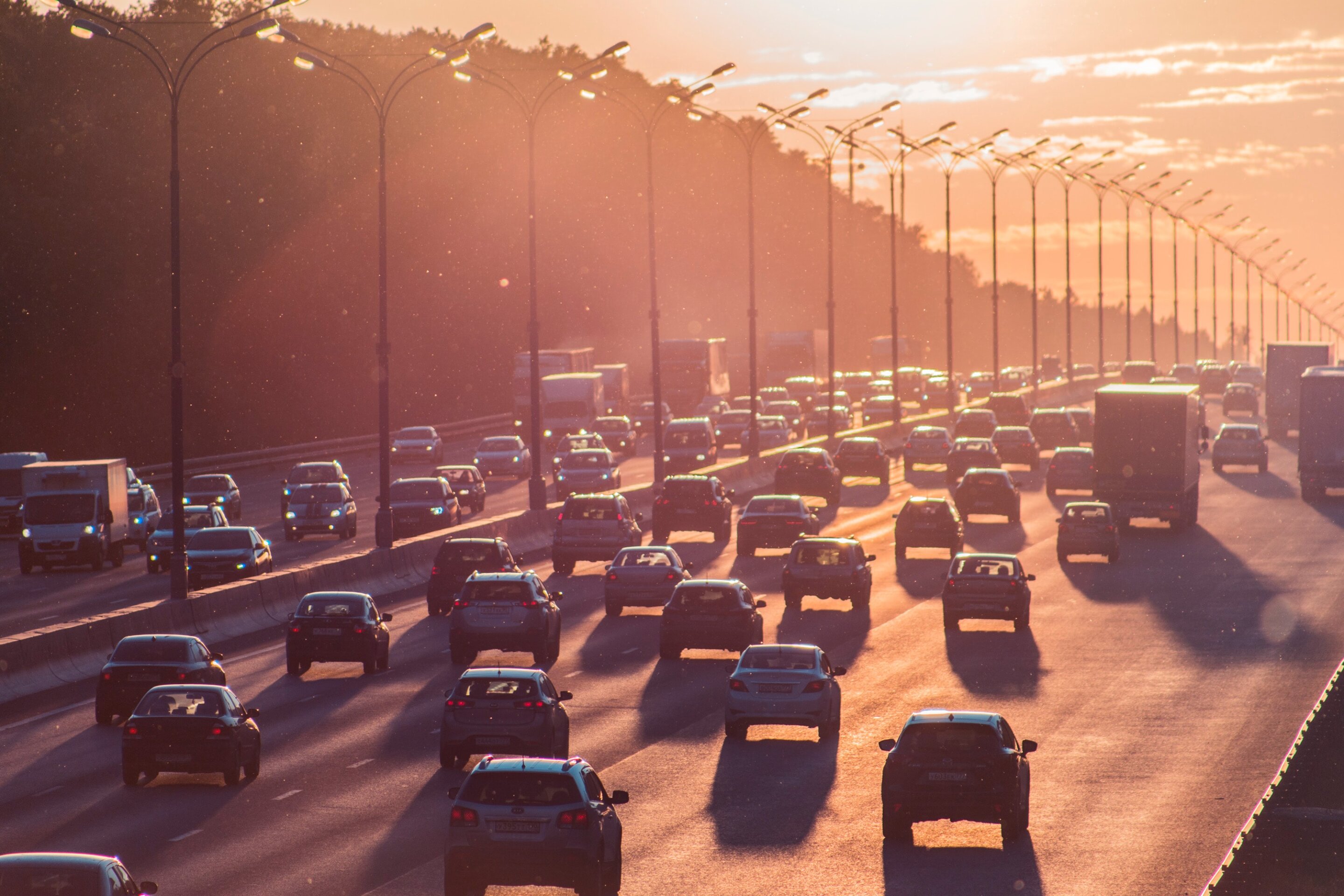
This article has been reviewed according to Science X's editorial process and policies. Editors have highlighted the following attributes while ensuring the content's credibility: Cleaner engine standards and a gradual uptake of electric vehicles have been credited with helping improve Auckland's air quality in recent years. But for policymakers working to tackle city traffic pollution, another problem remains: Not all of it comes from vehicle exhaust pipes.
Cars, trucks, vans and buses all generate and stir up dust and tiny particles as they move along roads and highways, regardless of what powers them. As exhaust emissions slowly decline, these other sources of traffic pollution—particularly road dust—are becoming increasingly important to understand. Our new research suggests they're also likely to require a different set of solutions.
The research is published in the Journal of the Royal Society of New Zealand. Traffic creates tiny particles as tires and brakes wear down, road surfaces erode and passing vehicles kick dust back into the air. As some EVs and SUVs are heavier than conventional cars, this can increase wear on tires and roads.
This all creates what are known as non-exhaust emissions—and they don't disappear when gasoline and diesel cars are replaced by EVs. But relatively little has been known about the scale of this type of pollution in Auckland. To investigate, we analyzed data from 2006 to 2019 to measure the contribution of road dust to PM₁₀—the technical abbreviation for airborne particles with a diameter of 10 micrometers or less.
Our study covered three monitoring sites: Queen Street in the central city, Khyber Pass on a major arterial route, and Penrose near a key highway corridor. We then combined these air-quality data with information on traffic and weather conditions. Even after accounting for factors such as rainfall, wind, temperature and traffic, road dust was more strongly associated with PM₁₀ levels than vehicle-exhaust pollution was.
Perhaps surprisingly for a relatively wet city, road dust remained a major contributor to Auckland's particulate pollution. Heavy vehicles—those weighing more than 3.5 tonnes (3.9 tons)—also stood out. While accounting for just 4% of traffic in our dataset, a higher proportion of heavy vehicles was associated with increased PM₁₀ levels.
Extract — continue reading at the source.


