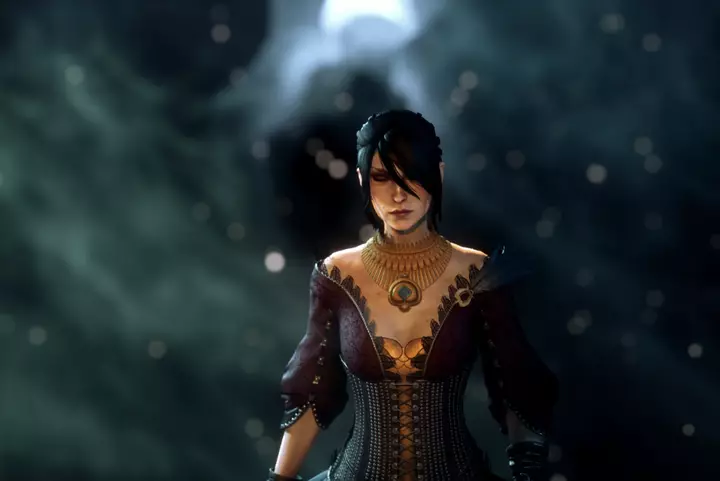
This week, EA shuttered the Canadian RPG specialist, home of Mass Effect and Dragon Age. I'll admit to never having been a fan — on a personal level, I didn't click with the games. I can see why these stories and characters meant so much to so many people, for their drama and scope, but particularly for BioWare's eagerness for its games to be an affirming reflection of their players.
We're in the middle of an outpouring of mourning for the studio, and for the Mass Effect Universe we never got. BioWare's talented developers will hopefully all go on to great things elsewhere, and many already have. (Who's looking forward to Exodus?) Maybe Mass Effect and Dragon Age will return; in this age of zombie IP, it seems a safe bet that they will. What's really lost at a moment like this, though, is institutional knowledge and culture, the malleable but enduring practices and principles that survive the departure of founders and team leads and are nurtured by new hands.
Naturally, the blame game has begun, entangled in a gross culture war over the studio's legacy. There's a natural villain in EA, which acquired the company in 2007 but which never seemed to find the middle ground between its corporate culture and BioWare's creative spirit. The nadir of this relationship was BioWare's forced march into a genre it was ill-suited to with the would-be Destiny competitor Anthem.
But the wheels had started to come off a good while before that. We have to be real about this: BioWare's very best work was 15 years behind it. Its last game, Dragon Age: The Veilguard, was better than it was made out to be, but after a horrendously mishandled development, it was neither good enough nor popular enough to guarantee the studio's future.
This is absolutely EA's fault. Nothing about what BioWare was doing was inherently uncommercial, and you can imagine the studio, in a parallel universe, making a smash hit like Larian’s Baldur's Gate 3 — a sequel to games BioWare itself made. You can bet that EA would be delighted to have a Baldur's Gate 3 on its books, but the company is clearly incapable of allowing its studios to make one.
However, it's always worth looking past the most convenient scapegoat to identify what other forces might be at work in a tragedy like this. EA badly mismanaged BioWare, but had resisted several previous opportunities to shutter it. It happened now because EA itself had been acquired, and was going through the ritual "restructuring" that capitalism demands in this circumstance.
Extract — continue reading at the source.