Brain-wide circuit dynamics underlying stress susceptibility and resilience in male mice
Understanding the neurobiological mechanisms of stress susceptibility is key to advancing our insight into stress-related psychopathology like post-traumatic stress disorder (PTSD). Because traumatic events are unpredictable, capturing brain activity during or right after trauma is extremely difficult in humans, creating a critical gap in understanding how neural responses lead to long-term behavioral consequences. This study leverages a controlled animal model to overcome this limitation, enabling time-locked, whole-brain mapping of neural activity as a function of the individual’s susceptibility to stress.
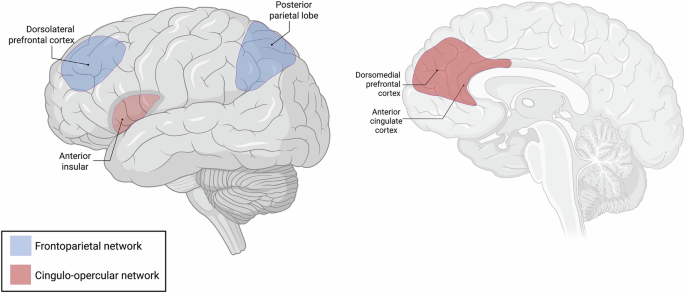
We used a mouse model for severe stress, segregating male mice into stress-susceptible and resilient groups. We analyzed and contrasted their whole-brain neuronal activity pre-, peri- and post-stress exposure and compared functional connectivity of the salience (SN), default mode (DMN) and executive control network (lateral cortical network (LCN) in rodents). We found that stress-susceptible mice exhibited pre-existing hyperactivity in the lateral orbital area, a potential risk factor for stress vulnerability, and heightened retrosplenial cortex activity peri- and post-stress, potentially contributing to a maladaptive memory for the stressful event.
Upon stress exposure, susceptible mice showed strong recruitment of visual and memory-related areas, whereas resilient mice displayed marked reductions in retrosplenial activity and increased activation in the agranular insula and ventral striatum. Observations of enhanced intra-SN and SN-DMN connectivity in susceptible mice mirrored those observed in individuals with PTSD. Moreover, susceptible mice displayed aberrant DMN-LCN connectivity pre- and peri-stress.
These findings reveal circuit-level signatures of stress susceptibility that mirror human PTSD and point to novel potential biomarkers and targets for mechanistic intervention. This work was supported by Veni (863.15.008) and Vidi (203.028) grants awarded to MJAGH by the Dutch Research Council. MN was supported the SCANNER consortium grant (NWO NWA.1518.22.136 SCANNER awarded to N.
These authors contributed equally: Andriana Botan, Riv Maas, Lennart van Melis, Sanne Merjenburgh, Rebecca van Rijn. These authors jointly supervised this work: Joanes Grandjean, Judith R. Department of Medical Neuroscience, Donders Institute for Brain, Cognition, and Behaviour, Radboud University Medical Center, 6500 HB, Nijmegen, The Netherlands Bart C.
Dirven, Sanne Merjenburgh, Rebecca van Rijn, Joanes Grandjean, Judith R. Henckens Department of Medical Imaging, Anatomy, Donders Institute for Brain, Cognition, and Behaviour, Radboud University Medical Center, 6500 HB, Nijmegen, The Netherlands Bart C. Dirven, Andriana Botan, Riv Maas & Lennart van Melis Department of Human Genetics, Donders Institute for Brain, Cognition and Behaviour, Radboud University Medical Center, 6500 HB, Nijmegen, The Netherlands Department of Radiology and Nuclear Medicine, Radboud University Medical Center, 6500 HB, Nijmegen, The Netherlands Department of Genetics and Genomic Sciences, Icahn School of Medicine at Mount Sinai, New York, NY, 10029, USA Correspondence to Marloes J.
Extract — continue reading at the source.