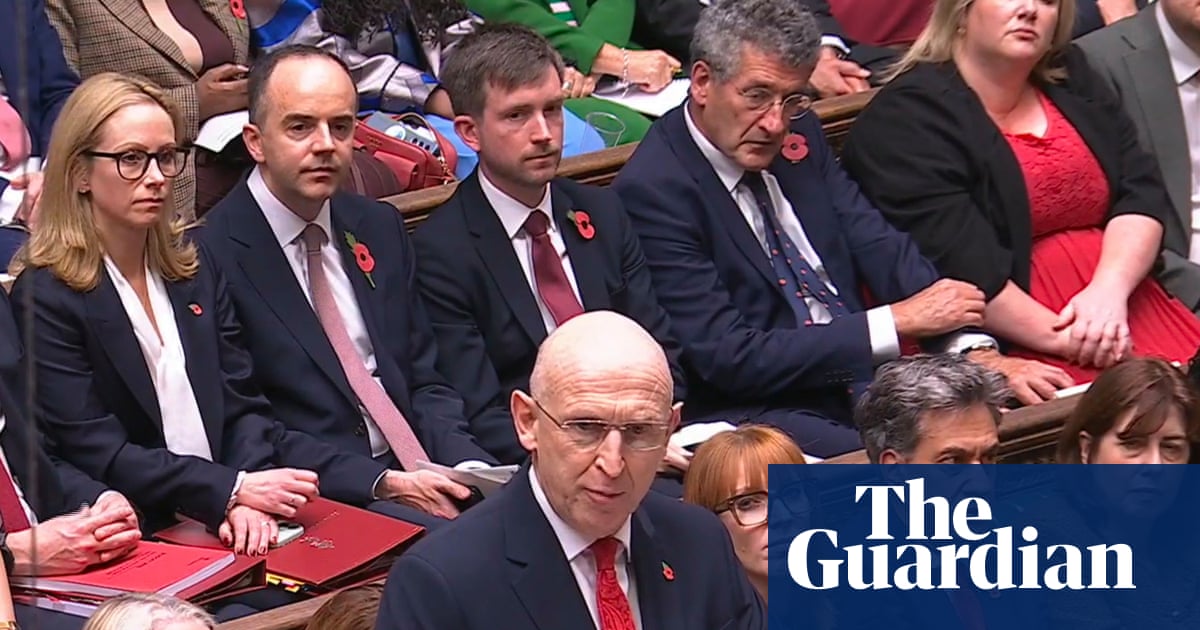
John Healey promised to steer Britain through “global economic storms,” as he announced a package of measures to cut consumers’ energy bills, funded by a smaller-than-expected windfall tax on banks. In his first budget, the chancellor said 20m households in council tax bands A to D would receive a £100 payment – a measure he said would cost £2.6bn. He extended the VAT cut on electricity bills until next July; and as widely expected, cancelled fuel duty rises pencilled in by Rachel Reeves.
Healey said this would back businesses, as well as consumers. The van is the family car,” he said. Healey blamed the ongoing war in the Middle East for the deterioration in the economic outlook since Reeves’s spring statement, but insisted he would keep Labour’s deficit-reduction plans on track.
He said higher inflation as a result of the Iran war was expected to cost the government £14bn more in interest costs and the Office for Budget Responsibility had downgraded its growth forecast to 1% for next year, from the 1.6% it expected in the spring. Nevertheless, Healey promised to meet Labour’s first fiscal rule, on balancing current spending with tax receipts by 2029-30; but with diminished headroom of £15bn – against the £24bn that Reeves set aside in March. However, he said the cushion would be rebuilt to £22bn, by 2030-31.
Use it when you need it, rebuild it when you can.” As a result of continued high oil prices caused by the Middle East conflict, the energy price cap, which determines household bills, is expected to rise sharply in January. As well as the short-term support measures to cushion consumers against soaring prices, Healey signalled a radical reform to the way energy bills are charged in the longer term – calling it “a new cost control framework, to drive down all aspects of energy bills.” He said the energy package would be funded by a windfall tax on Britain’s banks – as well as an unexpected 2 percentage-point income tax rise for landlords and savers. He said he would double the additional levy the banks pay on their profits, to 6% from the current 3%, for 15 months from January.
That fell short of the rise to 8% that industry figures had expected. Healey lavished praise on the sector, as he announced the measure. Bank share prices rose after the announcement, with NatWest and Standard Chartered up by more than 4%.
Healey announced several measures aimed at cutting businesses’ costs – including raising the business rates relief threshold from £12,000 to £18,000 for firms in the retail, hospitality and leisure sectors. He said this change would be funded by higher taxes on gambling and vape shops. And there was a package of policies that Healey said would tackle the “moral mission” of homelessness – including cheaper borrowing for councils; VAT relief on the sale of land to social housing providers; and the confirmation of the new My First Home mortgage scheme for first-time buyers, first mooted at Labour’s party conference in September.
Extract — continue reading at the source.