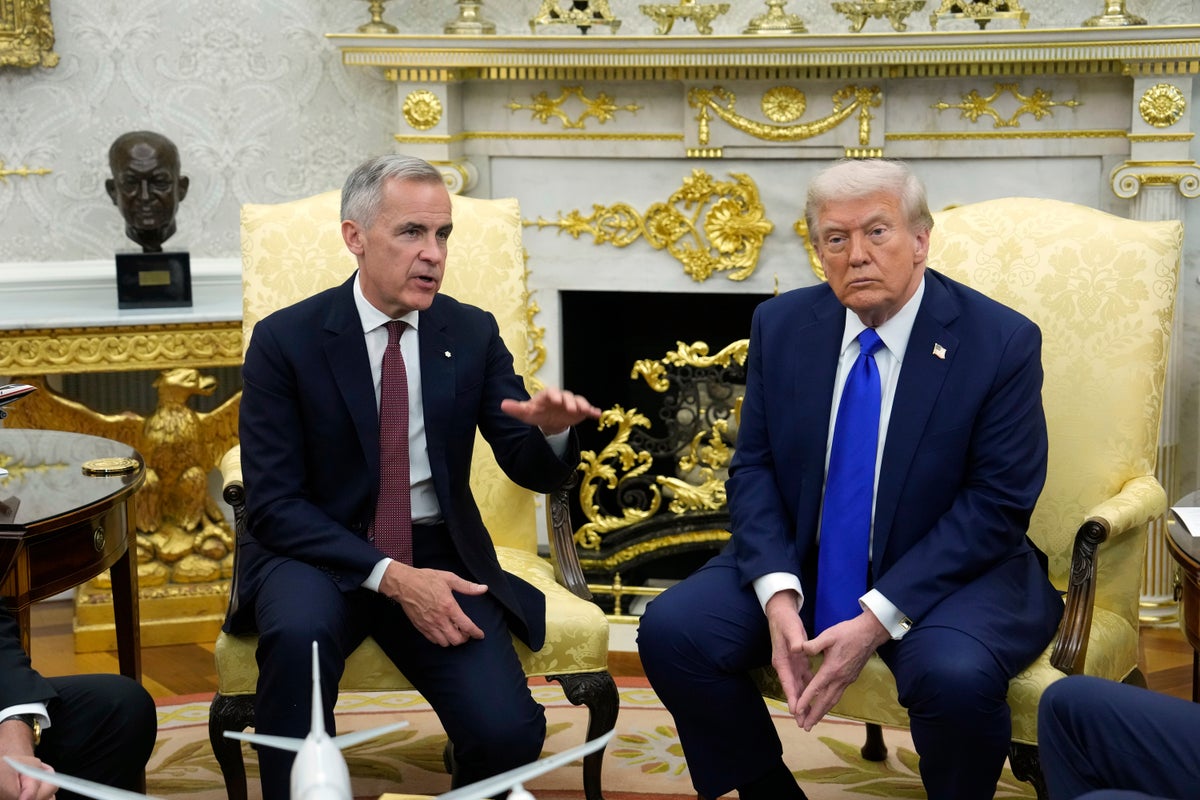
Early Saturday, the United States imposed 50% import tariffs on $20 billion in Canadian goods. In response, Canada announced plans to launch retaliatory measures starting Sept. 8, after final talks aimed at easing growing friction between the two long-standing allies broke down. The duties introduced by President Donald Trump impact roughly 5% of Canada’s annual exports across the border, affecting items as diverse as tongue depressors and hockey sticks.
Speaking from Ottawa, Carney stated that "in the coming days, we will release the details of these new tariff measures, which will come into force the Tuesday after Labor Day." He explained that the equivalent dollar-for-dollar counter-tariffs will focus on sectors such as dairy, steel, household appliances, farming equipment, electronics, and pulp and paper. Carney revealed that Ottawa had been prepared to eliminate its existing counter-duties on aluminum, steel, and motor vehicles if Washington meaningfully reduced its own levies, alongside encouraging Canadian provinces to resume sales of American alcohol. However, he maintained that the final terms presented by the U.S. proved unreasonable, remarking, "They asked too much and offered too little," Carney said.
Jamieson Greer, serving as Trump's chief trade negotiator, told "Fox & Friends Weekend" that the administration offered tariff cuts on lumber, steel, and automobiles, describing these as "things that are sensitive for them. And they’ve always had the best deal, and they still would have an even better deal, but they didn’t want that," he said. He further noted: "We’re moving forward with measures that respond to Canadian retaliation." These developments cast uncertainty over the long-term viability of the trilateral trade pact between Canada, Mexico, and the United States, which remains vital to commercial operations across all three nations.
According to Carney, late additions from the American side would have diminished tariff concessions for Canadian-built automobiles, limited Canada's freedom to negotiate independent trade agreements with other nations, and undermined safeguards for national sovereignty, language, and culture. He categorized these conditions as "unacceptable." On the other hand, Greer, the U.S. trade representative, countered that after twelve months of retaliatory steps by Canada, "We’ve said enough, and so we’ve taken countermeasures. Our interest is in protecting American workers and protecting American supply chains." At present, no additional discussions have been scheduled.
The collapse of discussions represents a stark shift from just 48 hours prior, when representatives from both sides appeared on track to reach an accord. Carney asserted that Ottawa intends to "hit back" by applying specific tariff protections for domestic industries vulnerable to the fresh U.S. measures, including targeted steel sectors. The premier of Canada's most populous province, Doug Ford of Ontario, expressed firm alignment with Carney's position.
He stated that the prime minister held his "full support" to implement retaliatory steps "tariff for tariff, dollar for dollar" while emphasizing that "everything needs to be on the table." The broader political fallout may ultimately outstrip the economic consequences, even after bilateral trade in goods and services reached $880 billion during the previous year. The U.S. import levies were originally set to go into effect at 12: 01 a.m. on Wednesday. Although Trump granted a three-day extension to facilitate ongoing dialogue, negotiators were unable to achieve a consensus before time expired.
Extract — continue reading at the source.