Often when a pop culture figure, whether real or fictional or somewhere in between, is described as an eternal teenager, it refers to an image of youthful vitality. Carrie White, the wallflowery, telekinetic, sort-of heroine at the center of Stephen King’s book and its multiple adaptations, is a sadder case. She’s forever a teenager because until recently, every version of the story ends with her demise – a turn that would qualify as a spoiler if not for the universal familiarity of her story, or the fact that the book heavily implies her fate within the first 30 pages or so.
That fate is poised to change with Mike Flanagan’s TV series, which was recently renewed for a second season (though even then, there’s still plenty of room for poor Carrie to die young). The new show updates and expands the story of the 1974 novel, taking its inspiration from a combination of 2020s social trends and details from the original text. In other words, it’s a new adaptation, not a remake of the Brian De Palma film from 1976.
As such, it’s the first truly successful version of Carrie in half a century. (Previous iterations popped up in a 1999 movie sequel, a 2002 miniseries and another film in 2013.) It’s arguable, however, that the reason such a high-profile new version of Carrie exists in 2026 is that first film, which was released 50 years ago on 3 November. In fact, King’s book was not a bestseller when it first came out in 1974. His subsequent novel, Salem’s Lot, sold better out the gate in 1975; Carrie didn’t hit the New York Times bestseller list until December 1976, in paperback form.
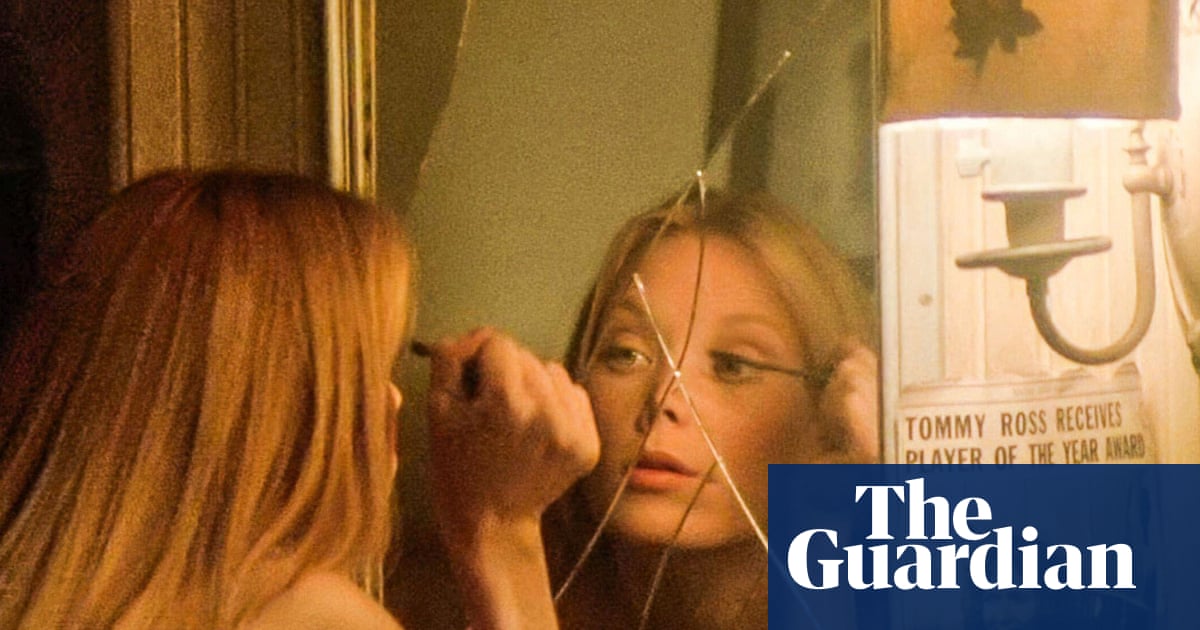
This was a month or so after the release of De Palma’s film, which had become an unexpectedly strong holiday-season hit. Though a willowy Sissy Spacek wasn’t a precise match for King’s description of Carrie as a more full-figured and less ethereal teenager (nor was her mid-20s age a match for Carrie’s teenage status), the image of her drenched in blood, wide-eyed with shellshocked vengeance at the film’s prom-set climax became indelibly associated with the simple story. De Palma’s film is even more streamlined than King’s novel.
It retains the basic structure – the first half taking place over a week or so leading up to the high school prom, the second following that evening, where Carrie is unexpectedly crowned queen before suffering a planned humiliation, followed by an extremely brief survey of the aftermath – as well as many of the book’s details and some of its dialogue. But King also intersperses excerpts from various (fictional) outside texts written after the story’s deadly climax, both hinting (sometimes more than hinting) at the carnage to come and filling in various backstories and flashback anecdotes about Carrie White, her telekinetic powers and her religious fanatic mother Margaret (Piper Laurie in the movie). Without these digressions, De Palma’s film seems ruthlessly efficient, especially compared to the recent series.
While King’s imaginative array of academic explorations, magazine articles and fake tell-alls lend the proceedings a slight detachment (if a frequently mournful one), De Palma uses his pure-cinema immediacy to put the audience into the movie’s hair-trigger adolescent-hothouse atmosphere. That most of the actors were actually well into adulthood only makes their aggression pop more. Some have accused De Palma’s opening sequence, where the camera tracks around a girls’ locker room in anticipation of the famous inciting incident where Carrie gets a late-onset period and is terrorized by her cruel classmates, of crossing the line into lasciviousness.
Extract — continue reading at the source.