We spend years teaching children mathematics, history, reading and standardized test preparation. Yet practical health skills such as recognizing an emergency, responding to a burn, calling 911, understanding choking hazards, and practicing basic safety often receive far less consistent attention. I believe we have a serious imbalance in the way we prepare children for life.
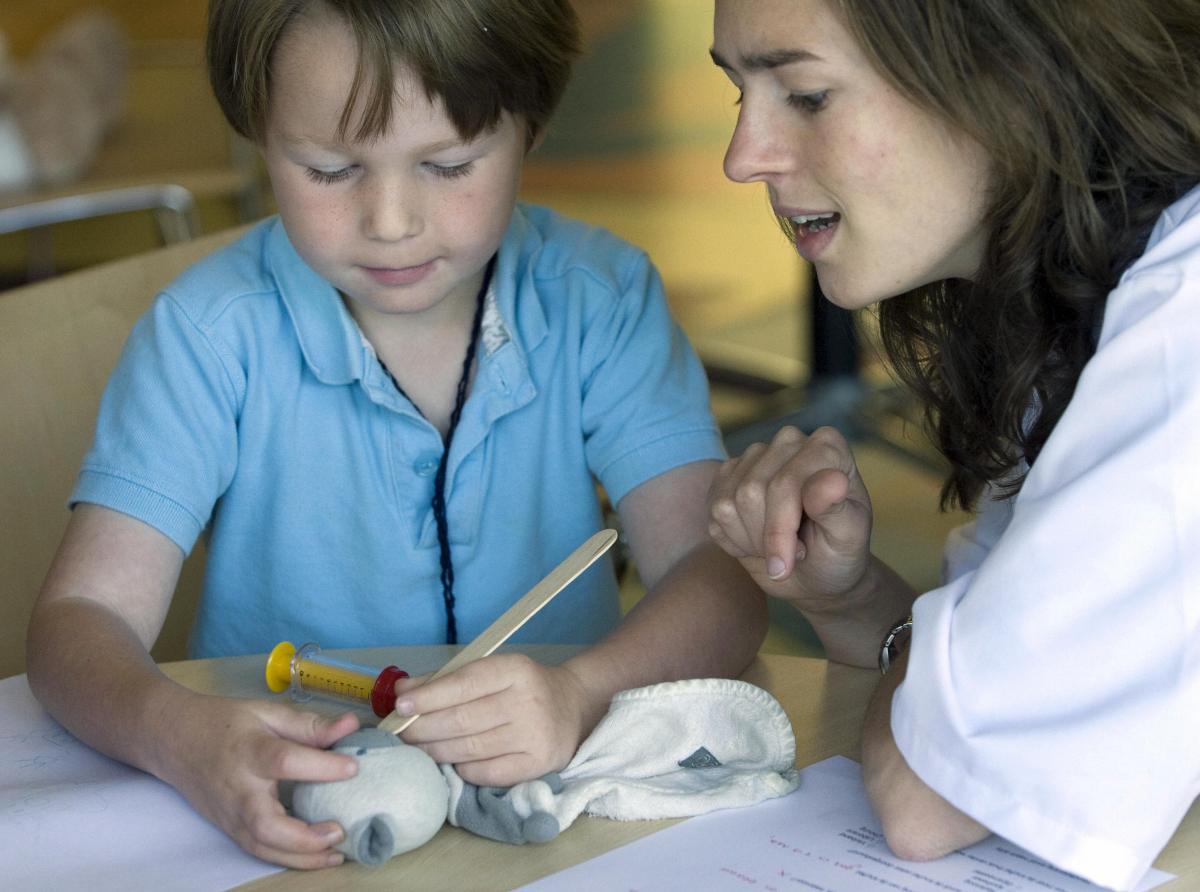
Why are we waiting until after an emergency happens before teaching children how to respond? I came to this question through years of working with children in clinical settings. I kept asking myself how I could make health information relevant to a 3-year-old or a 6-year-old sitting in front of me.
Children understand stories. They understand characters, repetition, pictures, routines, and play. I realized I could use those familiar tools to introduce health concepts without making the experience feel like another lesson in a classroom.
That approach has shaped my work as a clinician, educator, and children’s author. Health education for children can be inconsistent, developmentally inappropriate, or introduced after children have already encountered the risks we are trying to explain. Medical terminology is designed for precision between professionals.
Children need language they can understand and remember. Most parents want their children to be safe, but explaining what to do during a medical emergency is difficult. And in schools, teachers are already responsible for an enormous curriculum, and practical health instruction competes with academic requirements.
We need to rethink what we consider foundational education. A 2025 systematic review of health literacy research in children aged 9–12 found that children’s health literacy encompasses multiple dimensions, including functional, interactive, and critical skills, alongside teaching-learning processes such as pedagogy, content delivery, and learning environments that account for children's developmental needs. That matters because health literacy is not simply knowing the name of a disease.
Extract — continue reading at the source.