A “landmark new treaty” expected between Australia and the Solomon Islands could become a roadblock for China's lightning diplomatic offense in the South Pacific—but it will come at a cost of hundreds of millions of dollars. Canberra’s pledge to invest at least $980 million Australian dollars, or just over U.S. $700 million, in Honiara’s economy and politics was confirmed in a leaked text message first reported by Australia’s ABC News. The deal will be welcome news for Washington, D.C.
It would make the Solomon Islands the latest Pacific island nation to pivot away from China, after Australia concluded separate new security agreements this summer with Vanuatu and Fiji. Chinese officials reacted poorly to the setbacks, having sent over $1 billion in aid to both countries in the last two decades. Beijing will be frustrated at the impending loss of another partner in the vast region of strategic islands and resources.
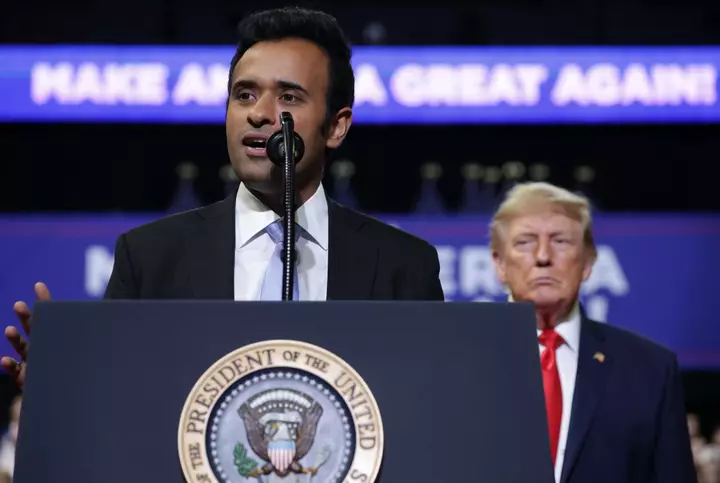
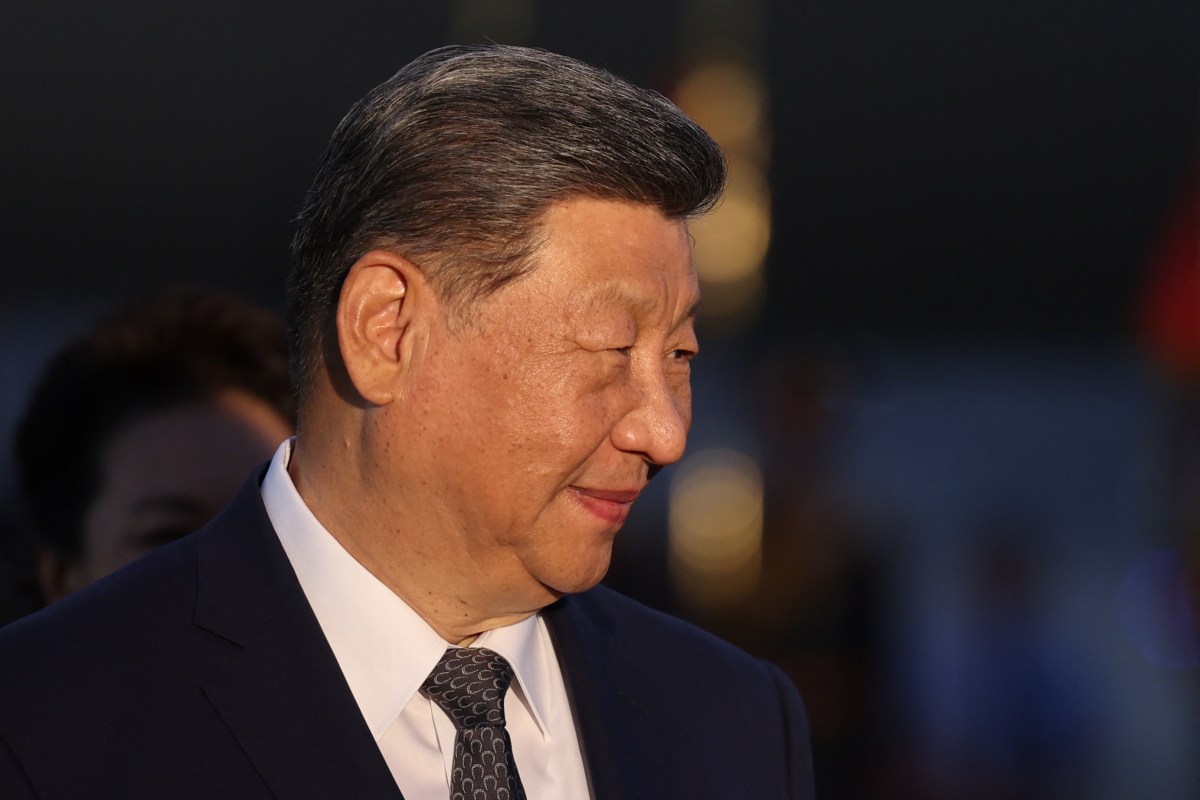
But the turn of events speaks to a logic both presidents Xi Jinping and Donald Trump already know: “Checkbook diplomacy” matters more to small and medium powers than appeals to liberal democratic values ever will. As in life, nothing in politics is free. America learned this 40 years ago when it signed the first of three “compacts of free association,” or COFA, long-term treaties with Micronesia, the Marshall Islands and Palau to provide economic aid and protection in exchange for exclusive U.S. military use of their territory, sea and airspace.
But in a democracy, a policy funded by taxpayers is never guaranteed, especially when economic priorities shift inward and the federal budget becomes highly partisan. In 2024, U.S. defense planners breathed a sigh of relief when a gridlocked Congress passed $7.1 billion in COFA funding through 2043 for gains that many considered priceless in an era of global competition with China over political influence and access to strategic nodes in the South Pacific. China doesn’t need a second invitation to swoop in on regions neglected by the West—Eastern Europe, Central Asia, Latin America and across Indo-Pacific.
Since 2008, China has committed $7.5 billion and spent at least $5 billion in development aid in the Pacific islands, according to a tracker by the Lowy Institute, a Sydney think tank. The sum includes $516 million in grants and loans for Vanuatu and another $529 million for Fiji, to fund Chinese-built infrastructure projects under Xi’s Belt and Road Initiative. Australia won back both neighbors with pledges of fiscal support worth a combined $1 billion over 10 years.
Some of the Australian public may find the figure difficult to swallow—some Americans balked at funding COFA too—but U.S. officials praised Canberra for sharing the burden of countering China in its own neighborhood. Chinese diplomacy has been so effective because Xi knows America’s traditional economic and security partners around the world care about who actually shows up. When Armenia and Azerbaijan signed their historic peace treaty to end decades of war over a disputed territory, the agreement was buttressed by U.S. plans to invest at least $2.5 billion in an economic and trade corridor in the South Caucasus, a move that could counter both Russian and Iranian influence there.
Extract — continue reading at the source.