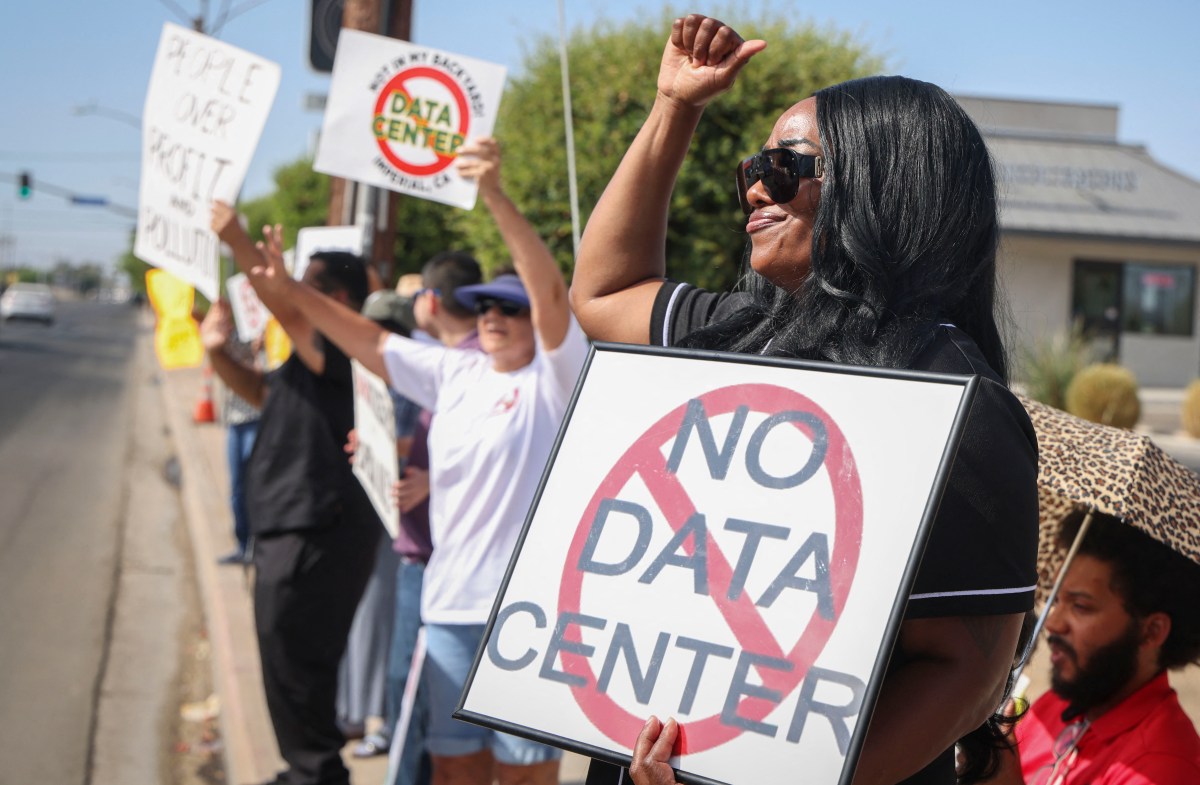
Data centers have been pitched as the indispensable infrastructure undergirding the artificial intelligence transition, and with it, America’s central position in the global economy of the 21st century. But in a rare reversal of roles, tech developers and their ambitious buildout plans seem at the mercy of local communities and grassroots opponents, who are voicing their opposition even as the country’s highest office touts the facilities as crucial to securing America’s (currently uncertain) technological supremacy. It's bigger than the internet by many times.
It's gonna be bigger than anybody ever thought possible. Not even imaginable how big,” President Donald Trump told Punchbowl News in early August, while defending the “most incredible buildings” from what he sees as mistaken opposition to the ongoing buildout. I mean, taxes are gonna go way down because this is a tremendous source of income," Trump said.
But these supposed benefits and national strategic importance are not resonating with everyday Americans—seven in 10 oppose building data centers in their community, according to a Gallup survey from March. Politico polling found that a smaller percentage (41 percent) would oppose a facility being built within three miles of their home, up from just 28 percent in January. And such bipartisan opposition appears to be translating into legislative action.
In mid-July, New York enacted the first statewide ban on data center construction, and over a dozen states, both red and blue, have since weighed similar proposals. Over 500 localities have now stalled the construction of new data centers, according to analysis by The Information, while the firm Data Center Watch found that upward of 75 projects collectively worth some $130 billion have been halted in the first three months of this year, nearly as many as were blocked over the course of 2025. The “smart ones,” he added, are welcoming in developers even as many “put the guardrails up.” But the widespread federal support—Interior Secretary Doug Burgum dubbing data centers “intelligence factories" that convert American energy into tech supremacy—contrasts sharply with the consensus developing at the state level.
"They basically dug their own grave for the problem that's been caused for them and that's why they got the backlash they deserve," Texas Governor Greg Abbott told ABC News on Sunday. Abbott, a Republican, has paused approvals for new proposed data centers until the Electric Reliability Council of Texas (ERCOT) and the Public Utility Commission of Texas can audit the facilities for their potential electricity and water consumption, among other things. Fueled by reports that data centers can demand significant quantities (and drive up the prices) of both, this has become central to local opposition within communities.
The Electric Power Research Institute (EPRI) estimates that data center consumption could rise from around 4 percent of total U.S. electricity use in 2023 to 17 percent by 2030. Around two-thirds of new data centers are being constructed in already drought-prone regions, according to research from the market intelligence platform Cleanview, cited in The Guardian. Evidence to the contrary exists, such as an EPRI study which found that every 10 percent increase in capacity coincided with a 0.4 percent decline in residential electricity bills.
Extract — continue reading at the source.