With 45 days remaining until the midterm elections, Republicans face a question that could determine control of Congress: How much does President Donald Trump's unpopularity matter? Midterm elections are often seen as referendums on the party occupying the White House. This year, Republicans are hoping that concerns about immigration, crime and national security will outweigh voter dissatisfaction with Trump.
Democrats, meanwhile, are betting that frustration over inflation, gasoline prices and the president's handling of the Iran war will translate into victories up and down the ballot. Control of both the House and Senate remains within reach for either party, raising the stakes of Trump's standing with voters as Election Day approaches. Newsweek reached out to the White House for comment on Saturday.
Republicans point to Trump's 2024 victory despite years of unfavorable approval ratings. His supporters have repeatedly proven more loyal at the ballot box than many polling analysts expected. But governing and winning a midterm election are different challenges.
A growing body of polling suggests Trump's ratings remain underwater nationally, even as Republicans seek to energize voters ahead of November. Nathan Gonzales, editor and publisher of Inside Elections, said Trump's standing has created a challenging political environment for Republicans. "Any midterm election with an unpopular president is potentially treacherous for his party," Gonzales told Newsweek on Saturday.
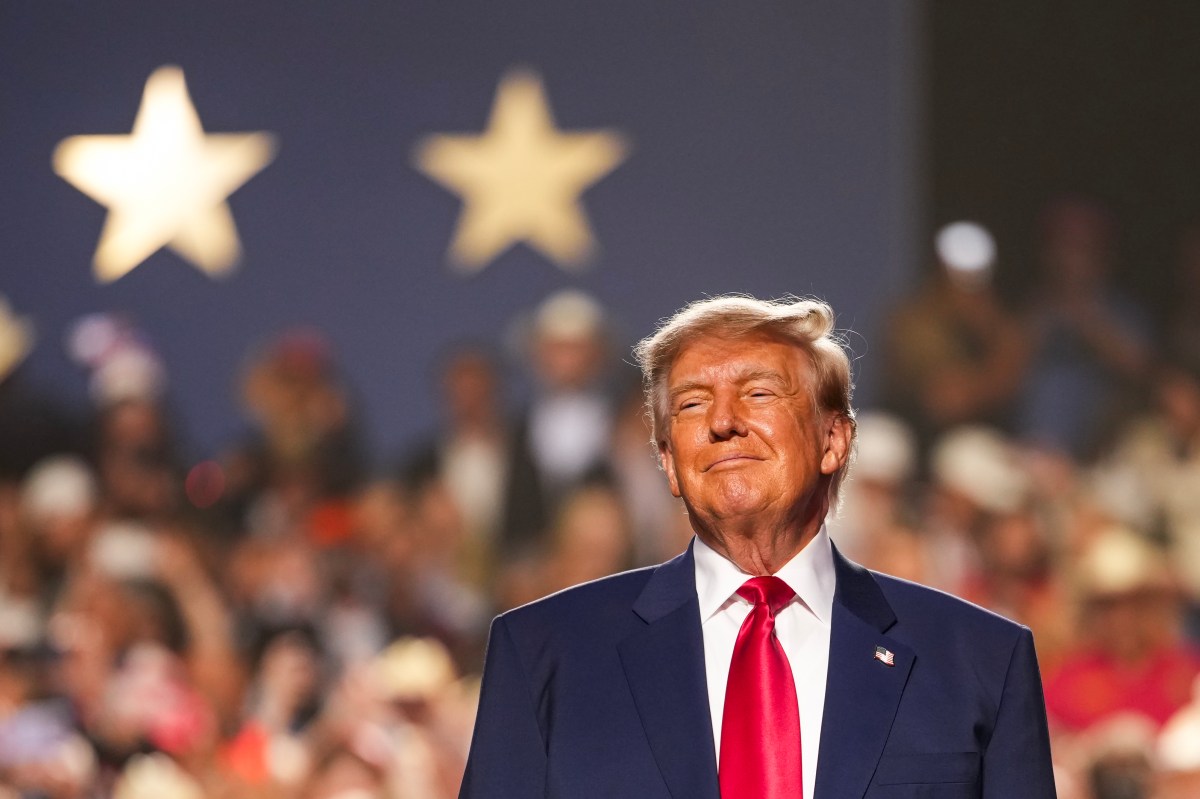
At the Republican National Committee's midterm convention in Dallas earlier this month, Trump urged supporters to act as though he himself were on the ballot this November, further tying Republican candidates to perceptions of his presidency. "Pretend that I'm on the ballot. I'm on the ballot, just one more time," Trump told the crowd.
A Marquette Law School survey found 37 percent of adults approved of Trump's job performance and 63 percent disapproved, the weakest result of his second term in the poll. The same polling environment has contributed to broader concerns about Republican prospects in November. The survey also found Democrats leading Republicans 54 percent to 41 percent on the congressional ballot among likely voters.
Extract — continue reading at the source.