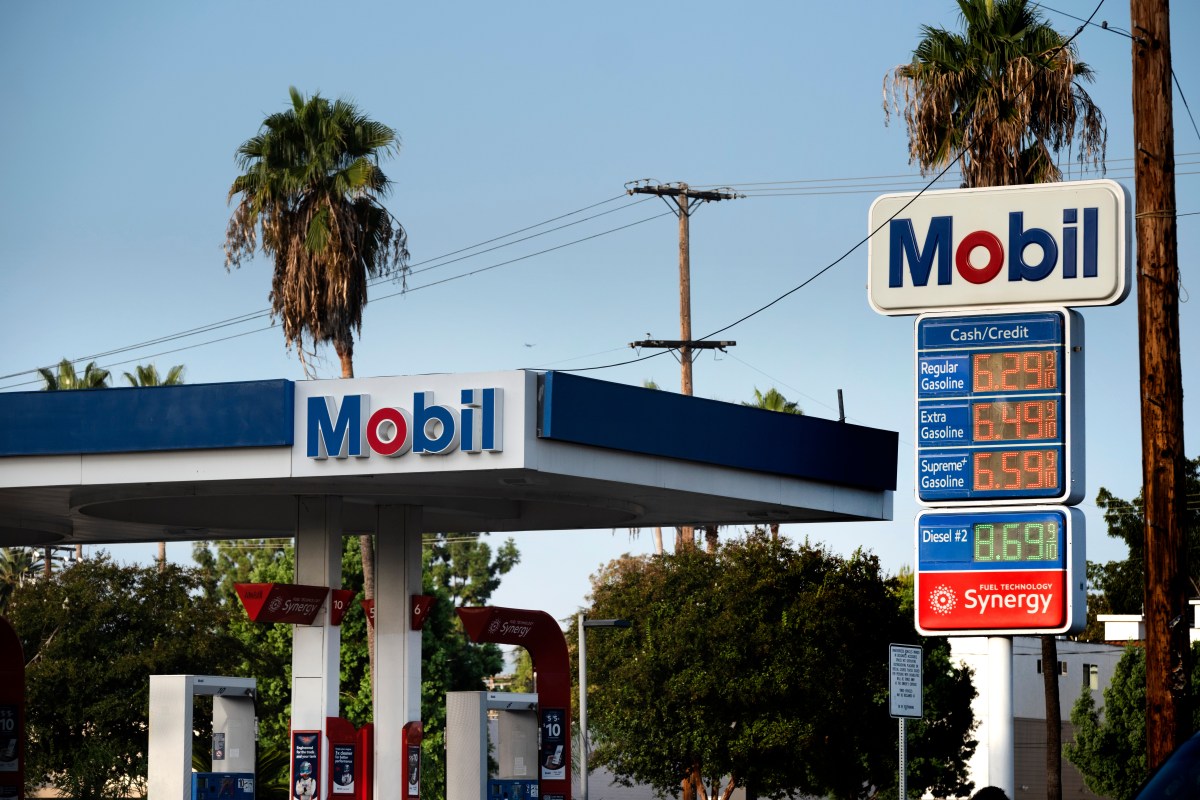
One of the strongest El Niños on record is further complicating the economic picture in the U.S. in 2026—potentially exacerbating existing pressures Americans are facing only weeks out from the midterm elections. Worldwide heat-related deaths are forecast to reach the hundreds of thousands as a result of the current El Niño cycle, which started in June, and the event is also expected to raise prices for commodities grown in at-risk regions like Southeast Asia and Western Africa. And in the U.S., where the southern tier and West Coast are expected to suffer the worst effects, the El Niño could worsen existing financial pressures for households.
These include elevated gas and diesel prices and broader affordability concerns (like housing and grocery costs)—both of which have become central features in the battle for control over Congress. Historically, El Niño events have resulted in significant shocks to the global economy. According to a 2023 study on the 1997-98 El Niño, this reduced global economic output by around $5.7 trillion, and the World Bank estimates that the 2016 El Niño contributed to roughly $327 million in agricultural production losses.
Available forecasting suggests some regions in the U.S. will incur a major bill as the current, record-setting "super" El Niño builds during the fall and peaks this coming winter. "The costs land in particular places," Ioana Colfescu, a climate researcher at the University of St. Andrews and the National Centre for Atmospheric Science in the U.K., told Newsweek.
"A wetter, stormier southern tier, from California through Texas to the Southeast, raises the risk of flooding and mudslides, although the drought-prone Southwest may welcome the rain." According to the risk analytics firm Climate X, cited by Bloomberg, flooding and mudslides could cost California between $2 billion and $3 billion this winter. Bloomberg said this was based on the $500 million in losses typically incurred by the state during the season. And several other states are expected to suffer similar adverse effects, including Arizona, New Mexico and Florida.
On a national level, some studies have shown a positive correlation between an El Niño and economic growth in the U.S. An International Monetary Fund (IMF) paper examining 21 economies between 1979 to 2013 concluded that growth in America’s gross domestic product (GDP) was 0.55 percentage points by the fourth quarter following the El Niño shock—the mechanism being that the warmer weather curbed heating demand, wet weather reached California and boosted agriculture, and that the event reduced tornado and hurricane activity in the Midwest and Atlantic. Some analysts continue to project a net negative effect globally, however.
"The bigger concern is how it interacts with an already fragile global macroeconomic environment marked by higher energy prices resulting from the US-Iran conflict, elevated commodity-market volatility, persistent inflation concerns, and limited monetary policy flexibility in many emerging markets," researchers at the investment management firm State Street wrote in a recent report. "The key question isn’t whether El Niño will affect the global economy. It's where those pressures are most likely to emerge." They noted that the El Niño and related economic concerns come at a time when consumers worldwide are on edge thanks to elevated energy and commodity costs and other fiscal headwinds.
Extract — continue reading at the source.