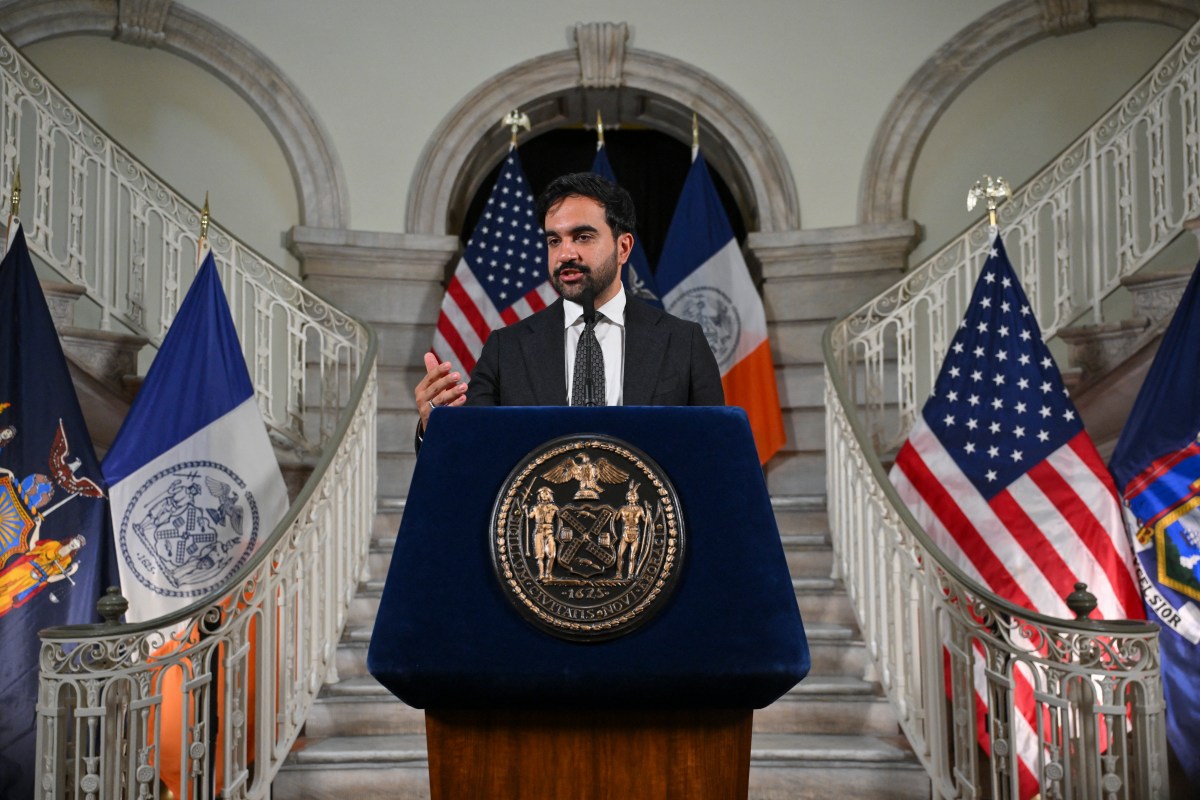
New York City Mayor Zohran Mamdani, who took office at the start of the year, was elected on a platform promising a sweeping affordability agenda that included freezing rents, making groceries cheaper and expanding housing assistance. In his first nine months, his administration has moved quickly to turn some of those campaign promises into policy, but has come up against several legal challenges along the way. Newsweek contacted City Hall for comment via email on Wednesday, outside of regular working hours.
Mamdani introduced a pied-à-terre tax that would charge an extra annual tax on homes in New York City worth more than $5 million, or condos and co-ops worth more than $1 million, if they are not used as the owner’s primary residence. This policy has become Mamdani's latest to face legal challenges. A judge ruled Tuesday that the city failed to follow required procedures before mailing tax notices to those who could be affected, finding the rollout violated recipients’ due process rights, and ordered the previously mailed notices to be canceled.
The ruling did not strike down the tax itself, and the judge said the city can still impose it by posting a corrected list of affected properties and sending out new notices in compliance with the law. The city immediately appealed the ruling, triggering an automatic stay that allows it to continue the rollout while the legal challenge proceeds. Separately, casino owner Steve Wynn and former Trump administration official Wilbur Ross have sued to challenge the constitutionality of the tax.
One of Mamdani’s key campaign pledges was to freeze rents for New York City’s roughly one million rent-stabilized apartments. The city’s Rent Guidelines Board voted in June for no rent increase on one- and two-year leases starting October 1. Landlords then sued to block the freeze, arguing that the board was improperly influenced by Mamdani and did not independently consider the financial pressures facing property owners when making the decision.
The city and the board deny that, saying the board followed the required process and acted independently. The lawsuit is ongoing, with a judge ordering City Hall and the board to turn over emails and text messages as part of the case. The freeze has not been blocked, and is still set to take effect October 1.
To address rising food costs and affordability, Mamdani announced a plan to open five city-owned grocery stores by 2029, one in each borough, where items would be sold at below retail prices. He said the plan would cut an "average grocery bill by 15 percent." The plan is facing multiple lawsuits from groups representing independent grocers, who argue that the city’s ability to offer subsidized prices would make it difficult for smaller businesses to compete. One federal lawsuit filed by the National Supermarket Association also alleges that the plan violates federal antitrust laws.
Extract — continue reading at the source.