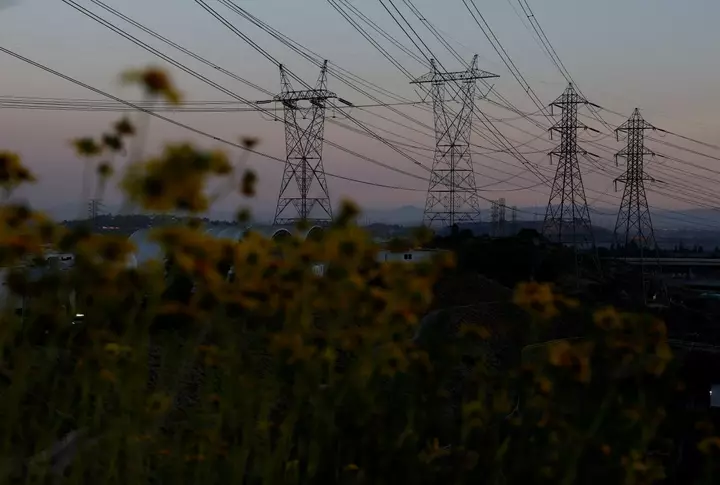
A federal regulator has rejected a proposition by a major regional transmission organization that could have subjected new large electricity users to curtailment during periods when resources were insufficient to meet demand. The Federal Energy Regulatory Commission (FERC), which regulates the interstate transmission of electricity, natural gas and oil, rejected PJM Interconnection’s proposed Interim Resource Adequacy Service (IRAS) framework, finding that aspects of it appeared to intrude on retail electricity regulation and fell outside the commission’s authority. PJM, which coordinates electricity supplies in much of the Mid-Atlantic and parts of the Midwest, proposed earlier this year that new data centers of 50 megawatts or greater in size pay to add the electricity supplies required to cover their needs or risk being cut off from the grid during power emergencies, according to .
"PJM proposed IRAS to address the growing electricity reliability challenge where electricity demand is increasing faster than new generation is coming online," a PJM spokesperson told Newsweek on Wednesday. "It is based on the concept that existing customers should not bear the consequences of that imbalance and would require data centers and other large loads to fulfill the commitments they made, through the Ratepayer Protection Pledge, to help maintain the reliability and affordability of the electric grid." Newsweek reached out to PJM for comment on the FERC’s decision on Wednesday. FERC’s decision came as the Department of Energy issued an emergency order to reduce the risk of blackouts across the territory managed by PJM.
Energy Secretary Chris Wright said the order was issued “to mitigate blackout risks in the mid-Atlantic ahead of a period of elevated demand, a high rate of planned generator outages during the autumn maintenance season, and numerous planned transmission outages,” the Department of Energy said in a Monday statement. The order directed PJM to bring specified power-generating units online when required to maintain reliable supply. It took effect on October 13 and was set to remain in place through October 16, according to the Department of Energy’s statement.
PJM said the agency’s order “allows PJM to call on generators in excess of their operating permits as needed and to direct data centers and other Large Loads onto backup generation if necessary.” The organization added that it is currently in planned maintenance season, when transmission and generation facilities are taken out of service for maintenance ahead of peak winter demand. In a statement emailed to Newsweek, PJM said that rising baseload electricity demand is outpacing the addition of new capacity, while unpredictable weather patterns are leaving fewer days available for maintenance and construction on generation and transmission infrastructure. PJM is working with state and federal policymakers to address these conditions by increasing supply on multiple fronts, including speeding the connection of new electricity supply and removing state permitting barriers that are outside of PJM’s jurisdiction.” PJM manages the flow of electricity across all or parts of 13 states—Delaware, Illinois, Indiana, Kentucky, Maryland, Michigan, New Jersey, North Carolina, Ohio, Pennsylvania, Tennessee, Virginia and West Virginia—as well as the District of Columbia.
The organization says it serves more than 67 million people. "We are reviewing the Commission’s order with an eye toward how we can fulfill FERC’s requirements while recognizing the responsibilities FERC indicated belong to the states and honoring the concept that existing electricity customers should not be unfairly burdened by new, energy intensive customers in the form of higher costs or decreased reliability," the PJM spokesperson added. Contact Newsweek editors on this story: John Fitzpatrick and Dave Siminoff.
Extract — continue reading at the source.