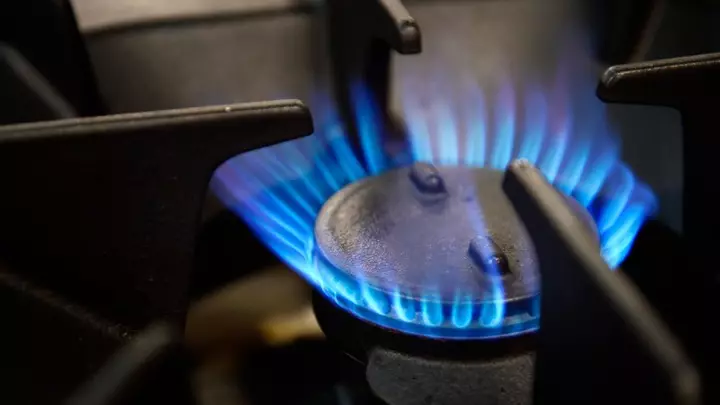
For people with asthma, switching from a gas stove to an electric one might be a breath of fresh air. The combustion that creates the flame of a gas stove or oven releases pollutants, including nitrogen dioxide, which can trigger asthma symptoms. After a research-backed electric stove replacement, people reported more symptom relief than is often achieved with asthma medications.
With funding from the U.S. Environmental Protection Agency during the Biden administration, Sehgal and colleagues spearheaded a project to install electric stoves in Cleveland households that had at least one person with asthma. Eighty-five participants who had poorly controlled asthma were given a questionnaire a few months after the switch.
They reported symptom improvement that was roughly two to three times as large as what’s typical with medication. Those with the worst symptoms saw the biggest improvement. Participants also reported fewer emergency room or hospital visits and said they missed work or school less often.
One 38-year-old woman told Sehgal’s team that whenever she cooked on her gas stove, she felt like her throat was closing. But the sensation disappeared after she switched to electric. Another participant, a 36-year-old man, found it difficult to walk uphill and play with his kids.
With the stove swap, “he described how much better he felt as ‘magical,’ ” Sehgal says. While heating, steaming or frying on a gas stovetop, nearby NO2 levels can skyrocket, reaching hundreds of parts per billion. That’s much higher than the EPA’s one-hour outdoor air quality standard of 100 parts per billion.
NO2 exposure is linked to increased asthma symptoms. For example, research in children has found the pollutant can boost wheezing, coughing and asthma attacks. The project was initially funded to follow 1,200 households for 12 months.
Extract — continue reading at the source.