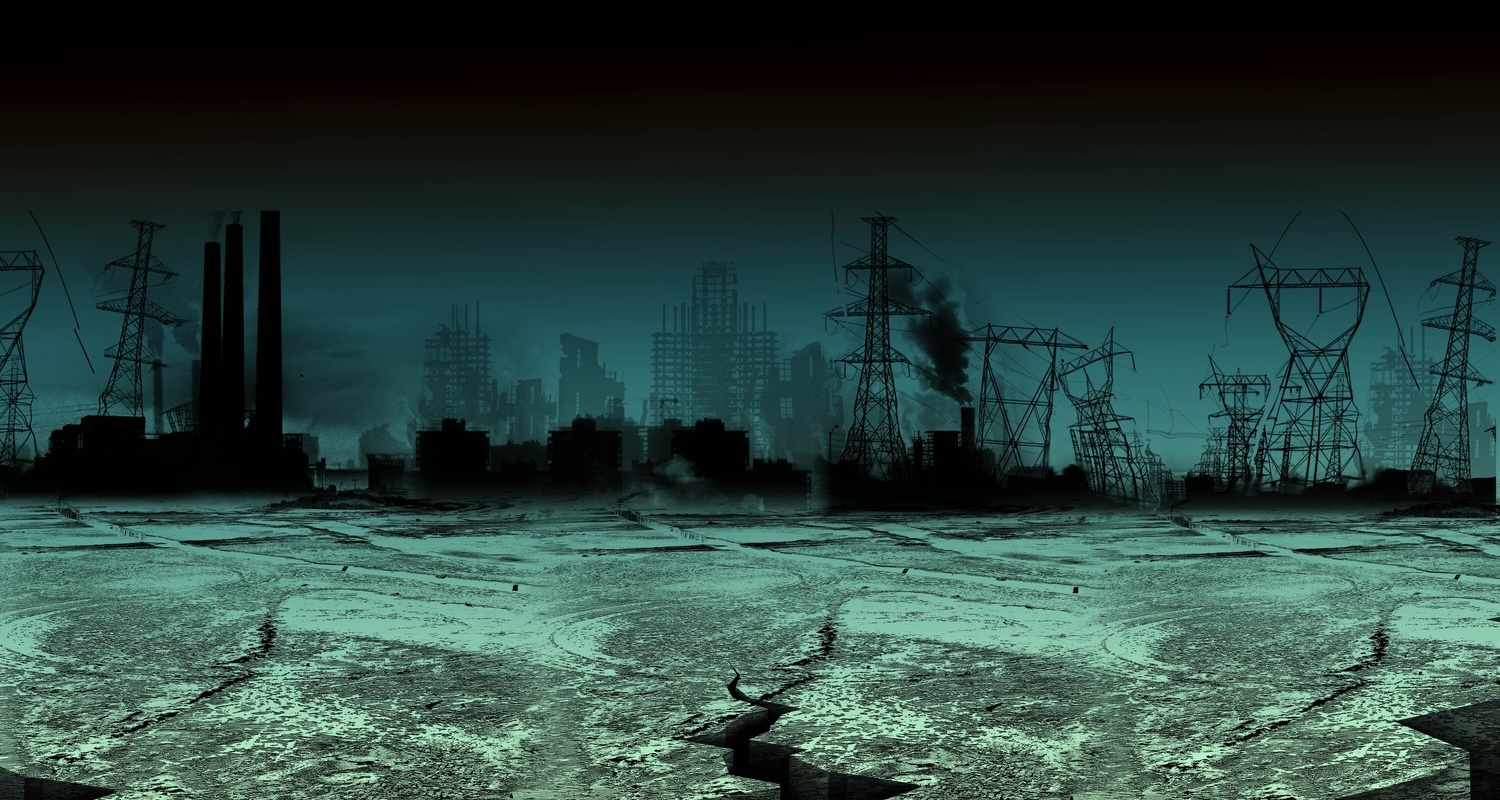
As we increasingly feel the world around us crumbling under the weight of division and human suffering, there’s an odd kind of freedom in conceptualizing complete demolition. Deadly pandemics, zombie hordes, and societal collapse don’t seem like easy friends to the classic of cozy romance, fantasy, and historical fiction, but I am convinced that post-apocalyptic stories are as much escapist fiction as they are tales of warning. Lately, I’ve learned to appreciate the power of fictionally blowing it all up.
Escapist fiction swallows the reader into a different world, replacing the harshness of reality with the “what ifs” of distraction. If a reader can sigh in relief from being thrust backwards in time or kidnapped by seductive fairies, why not from a full reset, even if it is through the courtesy of catastrophe? Everything is intimate when you are one of only a handful of survivors, so go ahead and share that bed to stay warm.
Do you like that shiny thing? Just pick it up and congratulations, much like a video game, it’s yours for as long as you’re willing to carry it. The clean slate of societal collapse would mean no more taxes, bills, work drama, school spirit days, or hours on the phone with insurance companies.
True, it is an ablative promise, with associated positives like health care and teachers also wiped away with the scrub, but I’m not convinced those things would be available in the fairy court, either. That’s not to minimize any of these genres in the comparison, or to give any time to the laughable claim that escapist fiction is low-brow, reductive fare. The path to all great stories is the bridge between what is, and what could be.
I am convinced that post-apocalyptic stories are as much escapist fiction as they are tales of warning. The sense of freedom from reading post-apocalyptic fiction aside (on the table, open for debate), writing it certainly has been a breath of fresh air. When your characters can’t solve their problems with a search engine or a phone call, it cracks open their narrative for more interesting trouble.
Similarly, I am no longer caught in the writer’s black hole of productivity: superfluous research. During the years when I was my special needs son’s primary caretaker, before he had verbal skills to fully communicate his needs and suffered from hourly meltdowns and mental health crises, I was often sucked into that black hole. I wrote a lot of escapist fiction then, strictly fantasy, fairy tales, all heroic once-upon-a-times that I hoped would cast my mental net wider than the shrink-wrapped routine of isolation my life had become.
Extract — continue reading at the source.