Fatal Frame creator and director Makoto Shibata once said that the most frightening thing is people's imaginations, which are populated by monsters that we can't see. When designing the first installment of one of the 2000s' most iconic horror series, his desire was to create a game that would make players feel terrified by the mere idea of even grabbing the controller. But the way he got there was unconventional: by making players take photos of ghosts.
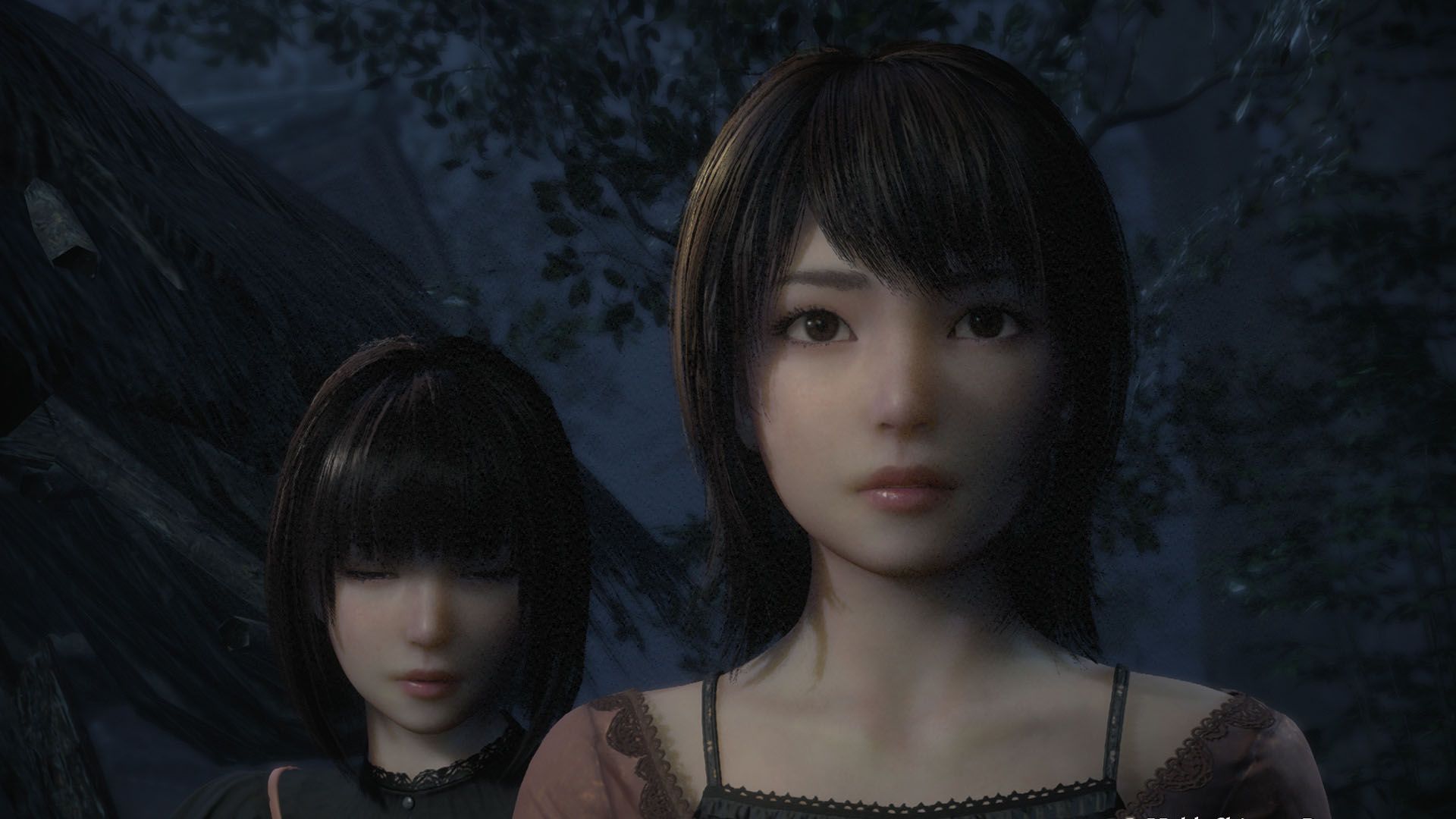
As a kid who grew up with Resident Evil 3 Nemesis and Silent Hill as the epitome of horror games, I became fascinated and terrified by Fatal Frame. Released by Tecmo in 2001 in Japan for the PlayStation 2, the game was created by Shibata and Keisuki Kikuchi, who had worked together before on the Deception series. In Fatal Frame, we play as Miku Hinasaki, a young woman looking for her brother, who has disappeared in the haunted Himoru Mansion.
To protect herself, she has only an old camera called Camera Obscura, which is capable of damaging and capturing spirits. While characters and settings change between titles, all games in the series follow a similar structure. Shibata's relationship with ghosts goes beyond simply creative curiosity.
He claims to have had supernatural experiences since he was a kid. In a March 2023 interview with Xbox Wire, he explains that "to me, zombies and monsters aren’t scary because they’re not real, but spirits have been a frightening presence in my life since I was young. I wanted to bring some of my scariest sightings to the games I created, helping capture some of the moments that have kept me up at night, hoping to do the same to gamers around the world." A weekly cheat sheet to what you’ll eventually love to play.
No buying, no commitment — just saving for later. Whether Shibata's experiences are true or not, his design philosophy is based on the assumption that if we fear what we can't see, he is going to force us to confront the source of our terror. The camera as a gameplay element does exactly that.
When you activate it, the perspective shifts to first-person, and you're forced to aim the camera at the spine-chilling spirits. The damage dealt to an enemy depends on how long they remain within the camera frame as you charge the photo, which means that the game encourages you to stand there looking at the ghosts as long as possible in order to "kill" them faster. Before Fatal Frame, I would never have considered that I could be afraid of taking pictures.
Extract — continue reading at the source.