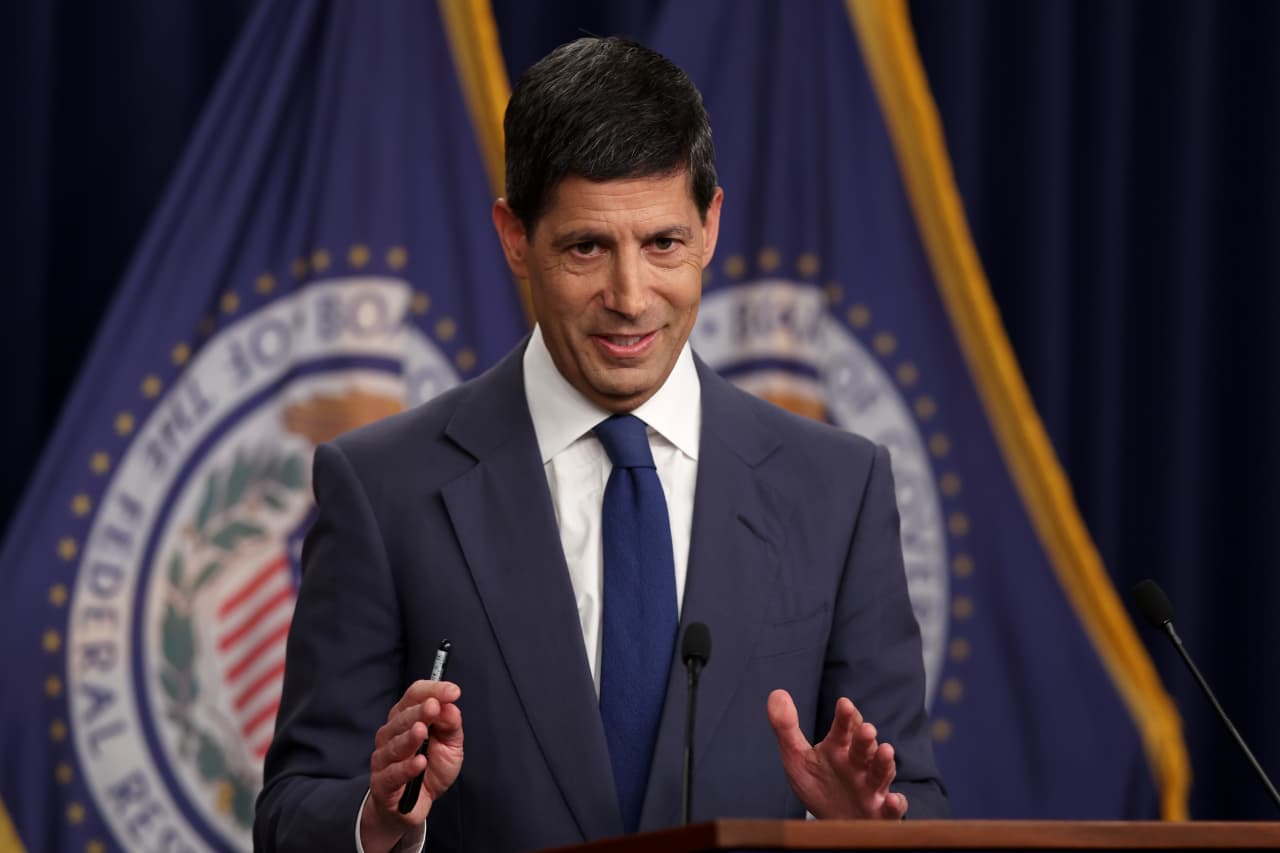
One of the more talked-about economic topics over the past year has been inflation and the Federal Reserve's (Fed) response (or lack thereof, rather). During the last Federal Open Market Committee (FOMC) meeting in July, the Fed kept rates steady for the second consecutive time under new Fed Chair Kevin Warsh. That said, one thing investors need to know before the Sept. 15-16 FOMC meetings is that interest rates are very likely to rise, though by how much remains to be seen.
This Rare Signal Is Flashing Again. In 2009, a "Double Down" signal flashed for a little-known chipmaker called Nvidia. For the first time in years, that same "Total Conviction" signal is flashing for a company 1/100th the size of Nvidia.
Continue » The Fed interest rate (also known as the federal funds rate) sets the baseline borrowing cost for things like credit cards, auto loans, and mortgages. When interest rates are low, borrowing is cheaper, which tends to make people and businesses spend more. The more people spend, the higher the demand goes, giving companies leeway to raise prices and drive up inflation.
To combat this, the Fed will increase interest rates to make borrowing more expensive and potentially deter spending. The idea is that more expensive borrowing will cause people to spend less, creating a domino effect that slows demand and, in turn, lowers prices. Warsh has taken a strong stance against providing forward guidance on interest rates.
But with the latest inflation reports, the consensus is an expected increase. In August, inflation (based on the CPI-U) rose 3.4% on an annualized basis, repeating July's 3.4% annualized increase. Ideally, the Fed wants to keep inflation around 2%, so 3.4% in back-to-back months isn't ideal.
The lowest annualized inflation rise in the past 12 months was 2.4% in both January and February of this year. Rarely does the Fed raise interest rates by more than 75 basis points at a time (that's the largest single-meeting increase in the past decade), and I don't expect that to change this go around. However, even if a modest increase occurs at the next meeting on Sept. 16, it's almost certain it won't be the last in the near future because of current inflation and the current jump in oil prices related to conflicts in the Middle East.
Extract — continue reading at the source.