Berlin is a lot of things—Germany’s grand Prussian capital, an "anything goes" clubbing city that once had a Wall running through it, and, these days, a federal state in search of a government. But a surge in far left and far right politics echoes Germany’s deeply divided Nazi and Communist past and is getting in the way. Add on powerful criminal clans with Arab roots that have strong ties to the broadly "anti-imperialist," anti-Zionist Linke (Left) party that triumphed in a state election last month, that has been accused of antisemitism and whose charismatic leader has been compared to New York’s Zohran Mamdani.
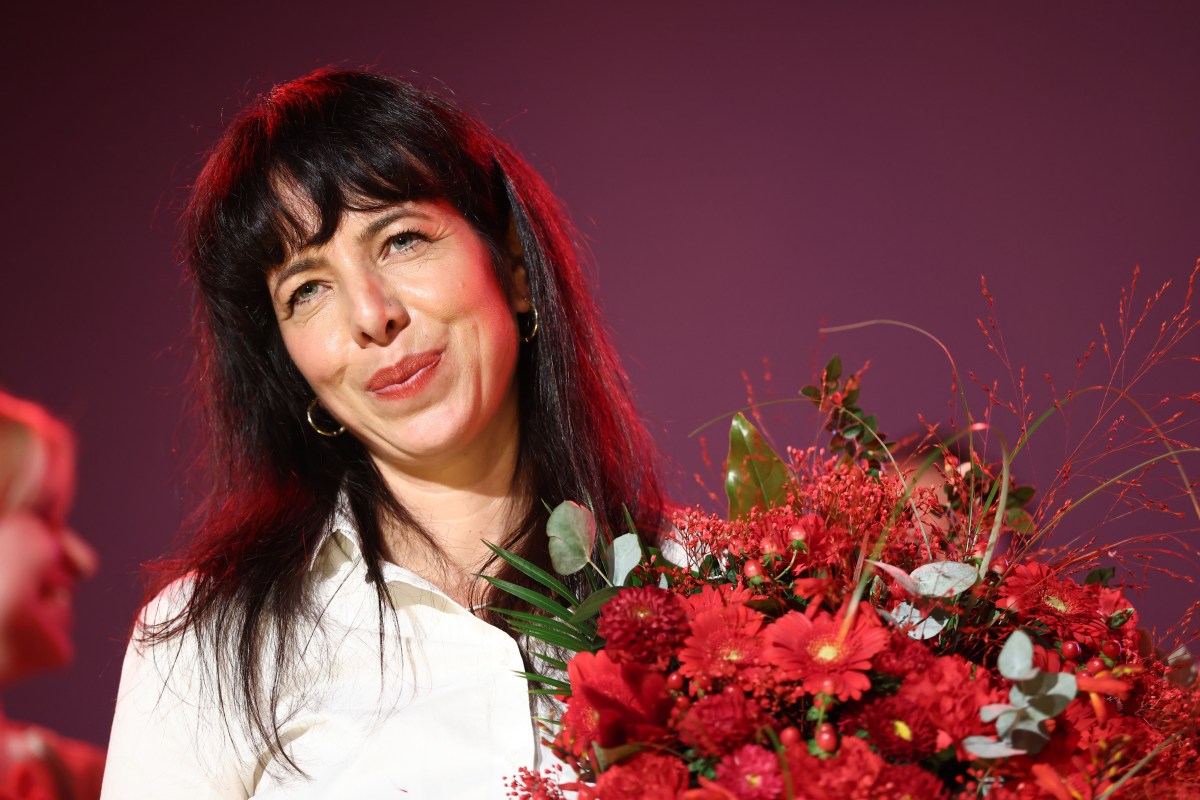
Berlin and Germany have been here before, minus the clans. Elif Eralp, whose Linke party won the biggest vote in mid-September, says she wants to lead the city with "love," even though clan members and the head of a front organization for a designated Islamic terrorist group turned up at her election party. Newsweek contacted the Linke for comment but did not receive a response by publication.
So just as in the Weimar period in the 1920s, which ended in the rise of Adolf Hitler’s Nazis, tempers are fraying in the capital and in nearby states of the former communist East Germany where the far-right AfD (Alternative for Germany) are scoring the single biggest vote. That’s a whole other twist. In fact, the AfD is polling nationwide at 27 percent, about seven percentage points ahead of the CDU party of the Chancellor Friedrich Merz, even though, or because, a big part of their platform is "remigration," or sending immigrants "back." How dangerous is all this?
Berlin’s state-level counterintelligence agency, the Berlin Verfassungsschutz (Constitution Protection) classifies about 820 far-right people in the city as "violent." It says there are 980 violent people belonging to various Islamist groups, and 650 violent people belonging to the far left. But the Linke want to shut down the counterintelligence authority anyway and replace it with a kind of think tank that can only carry out open source research, doing away with methods that would, arguably, enable them to seriously penetrate violent or extremist circles for example through clandestine, state-approved surveillance. Wondering how this is all going to work out?
For sure, Germany’s capital in 2026 is very different from what it was in 1926, but the sense that the fringes are strengthening and the middle is weakening is unmissable. Here are the facts: Still, while many are watching very closely, a Berlin-based democracy organization pushed back against the Weimar, so pre-Nazi era, interpretation that saw violent clashes between the left and the right. "I would be cautious with the Weimar comparison," Linus Kebba Pook, the comanaging director of democ, a non-government organization, told Newsweek.
The group closely monitors the situation, focusing on the antisemitism that it says is rife among not just the right but also the left—a key concern also among Linke’s possible coalition partners. After all, Germany produced the Holocaust, and will likely never entirely emerge from its shadow. "Germany's institutions, courts and civil society are far more robust than in the 1920s," Kebba Pook said.
Extract — continue reading at the source.