Maryland on Thursday became the first state to ban supermarkets and grocers from dynamically pricing food based on who is buying it. Under the Protection From Predatory Pricing Act, which took effect October 1, covered retailers cannot use customers’ personal data to decide that you, specifically, should pay more for groceries. That Maryland’s lawmakers moved before this became established practice is commendable.
That lawmakers thought such a law was necessary is disturbing. We have apparently reached the stage of technological progress where legislators have to specify that an algorithm should not study you and decide how much it thinks you’ll pay for milk. Dynamic pricing is hardly a new practice—vendors have adjusted the cost of goods based on market conditions, supply and demand for millennia.
But in the digital age, it has taken on a whole new meaning. American Airlines helped pioneer computerized "yield management" in the 1980s, using booking data to forecast demand and decide how many seats to sell cheaply and how many to hold back for later, higher-paying passengers. Before long, the approach was adopted by other industries for increasingly smaller and more routine purchases.
Ticketmaster introduced technology allowing ticket prices to move with demand in 2011, and Uber launched surge pricing—forcing you to pay more for your taxi at peak times—not long after. Access to consumer data and algorithms to process it quickly took the ancient principle of charging what the market will bear and made it faster, more personal, and more predatory. Having to pay well over the odds to see Taylor Swift is annoying.
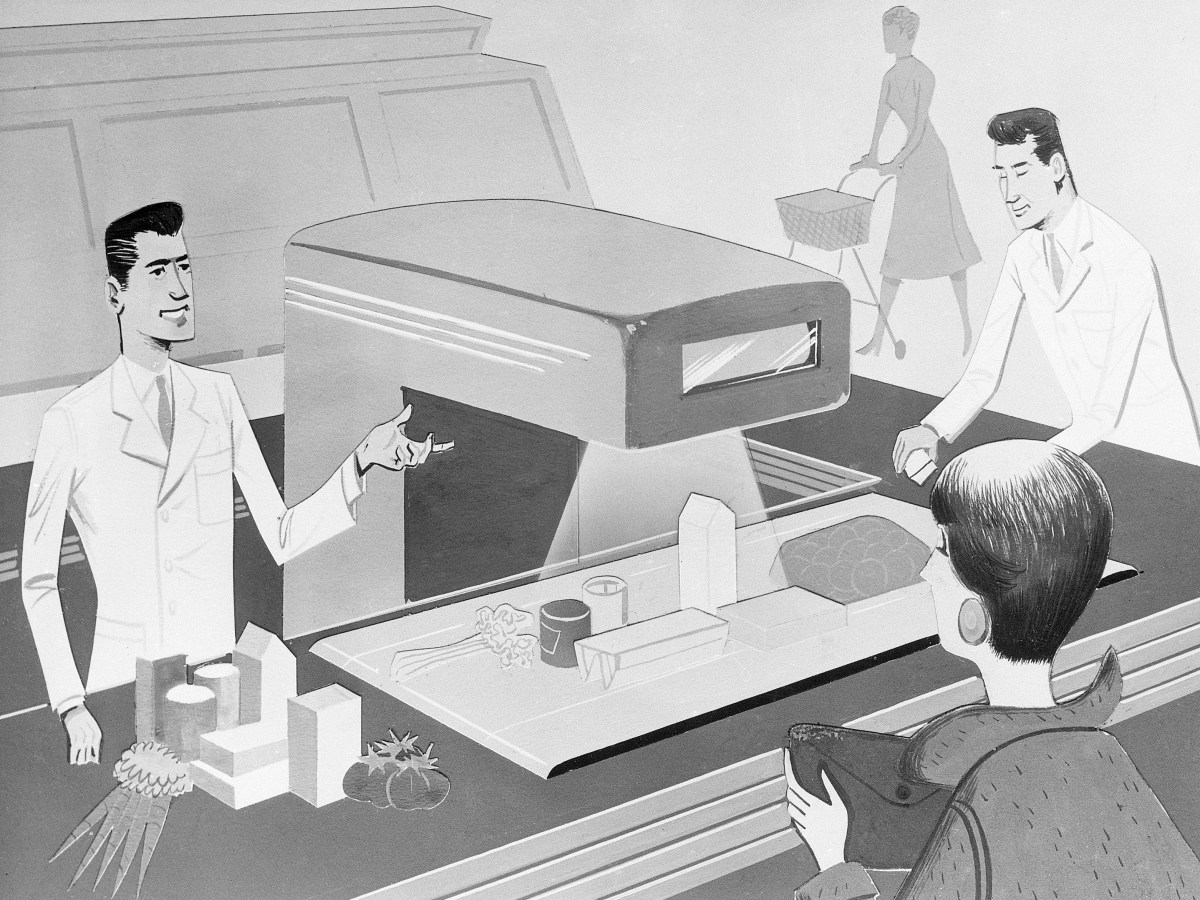
Having to pay more to feed your child because demand is high—or, worse, because the system thinks it can get away with making you pay more—is awful. The infrastructure that would make this possible in your supermarket is already arriving. Walmart says roughly 2,300 U.S. stores use electronic shelf labels, with chain-wide deployment expected within a year.
Price changes that once took employees days can now be completed in seconds. Similar tech is deployed in the likes of Kroger and Whole Foods. Walmart insists that doesn’t necessarily mean dynamic, surge or personalized pricing is coming to the grocery aisle.
Extract — continue reading at the source.