Scientists tracking children's development from infancy into adolescence noticed a surprising trend among some girls in their study. The clue pointed back to something their mothers had taken during pregnancy. Researchers in Denmark found that girls exposed to paracetamol (Tylenol) in the womb showed differences in several markers linked to ovarian development, from infancy through adolescence.
The findings do not prove the drug caused the changes, but the researchers say they add to growing evidence from animal studies that fetal exposure may have lasting effects on female reproductive health. Margit Bistrup Fischer, a post-doctoral researcher in the Department of Growth and Reproduction at Rigshospitalet in Copenhagen, stressed that the findings should not prompt pregnant women who need paracetamol to stop taking it. The study, published in Human Reproduction Open, followed 302 girls from a prospective Danish pregnancy cohort and examined markers of reproductive development during infancy.
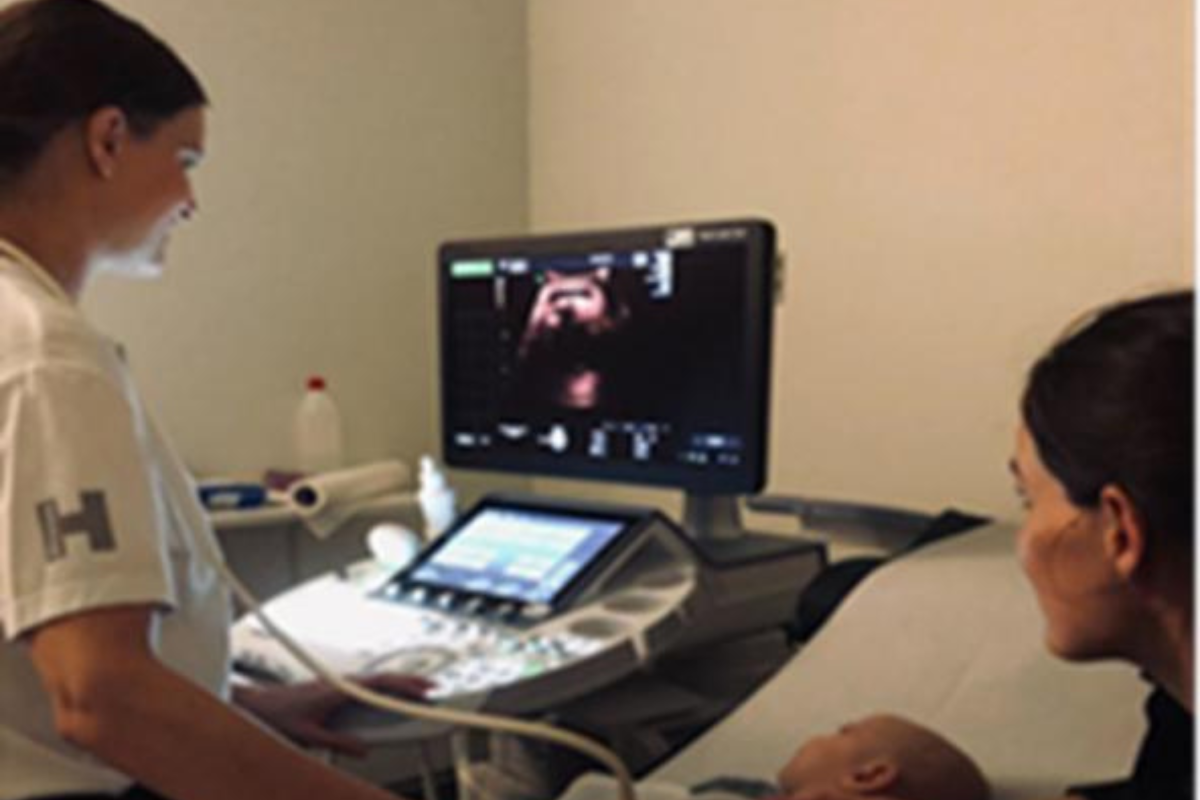
Researchers tracked mothers' paracetamol use throughout pregnancy using detailed questionnaires and urine samples. The team found that daughters exposed to paracetamol during pregnancy tended to have smaller ovaries and uteruses, along with differences in ovarian activity. Girls exposed during early pregnancy had reduced ovarian volume and smaller uterine volume compared with unexposed children, while exposure later in pregnancy was associated with fewer ovarian follicles, the structures that contain immature eggs.
Researchers also observed lower levels of anti-Müllerian hormone (AMH) among some girls exposed early in pregnancy. In adults, AMH is often used as a marker of ovarian reserve, though the significance of differences seen in infancy is not yet clear. To see whether the findings persisted, the researchers examined an independent cohort of 1,210 girls who had been followed from infancy into adolescence.
There, they found similar patterns. Prenatal exposure to paracetamol was associated with smaller uterine volume at puberty and reduced ovarian volume during adolescence. Paracetamol use during pregnancy is widespread, with the researchers noting that more than half of pregnant women use the medication.
Previous studies in rodents have suggested fetal exposure can reduce ovarian follicle reserves and shorten reproductive lifespan, prompting scientists to examine whether similar effects could be seen in humans. Whether the differences seen in childhood ultimately affect fertility is still a major question which remains unanswered. Lucy Hooper, a private general practitioner who was not linked to the study, pointed out that the researchers measured markers linked to ovarian development, such as ovarian size and hormone levels, rather than long-term reproductive outcomes.
Extract — continue reading at the source.