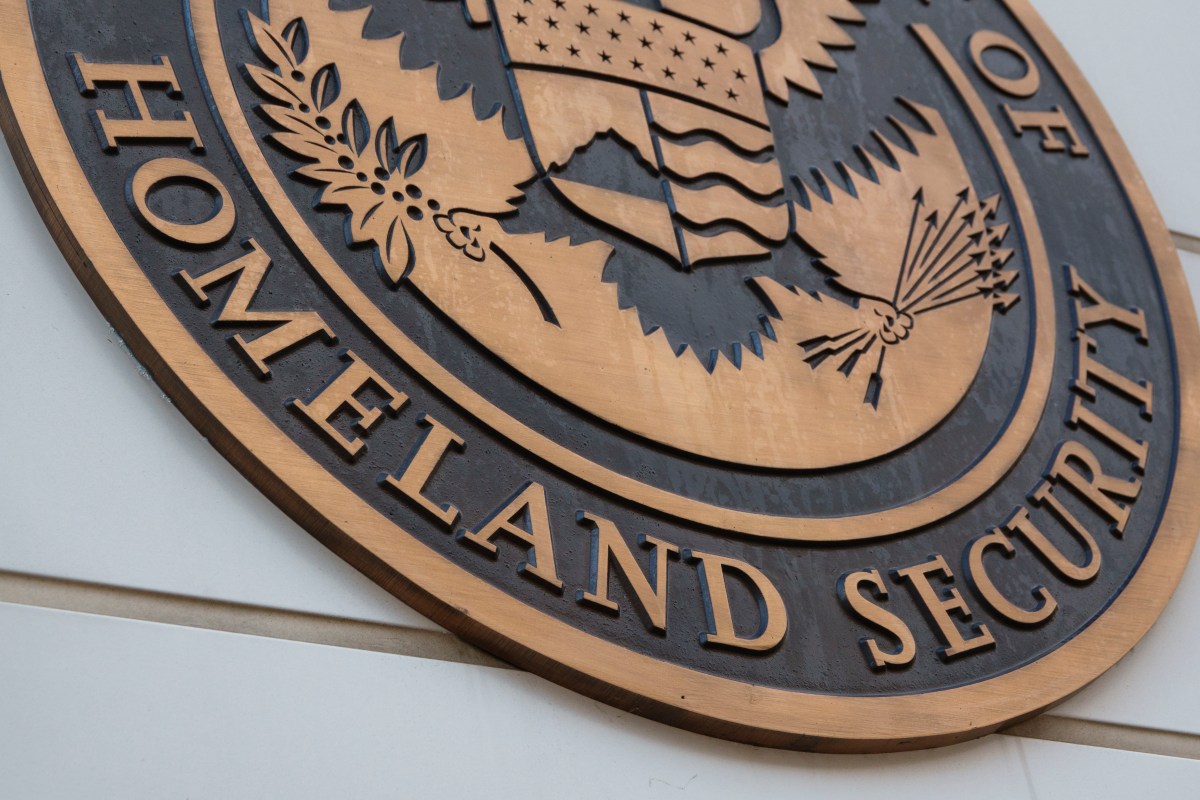
The Trump administration looks set to continue its efforts to reform the H-1B visa, including targeting companies the government views as having violated the visa's rules and changing who is eligible for exemptions from the yearly issuance cap. A proposal written by the Department of Homeland Security (DHS) made its way to the White House on Tuesday, but the finer details of how the changes would be implemented have yet to be made public. As a widely popular work-based visa, the H-1B has been at the center of the debate around legal immigration in recent years, with critics claiming tech companies and other employers that utilize it are cutting American-born workers from jobs in favor of lower-paid immigrant workers.
The tech industry and the visa's supporters argue there are not enough high-skilled workers in the U.S. to fill these roles. President Donald Trump has, overall, shown support for the H-1B, but many of his core supporters oppose it, and DHS under his second administration has sought to make sweeping changes to the program, alongside the Department of Labor (DOL), to try to combat concerns. The proposal sent to the White House's Office of Information and Regulatory Affairs is brief, but says that DHS plans to: Newsweek asked DHS for further details on the planned changes and for examples of companies violating the program's rules U.S.
Citizenship and Immigration Services spokesman Zach Kahler responded, saying, "First and foremost, employment-based immigration must benefit the nation, American businesses, and American citizens. Citizenship and Immigration Services is working to ensure that employment-based visa programs are used primarily to supplement, not supplant American workers." The most significant potential change could be alterations to who is allowed to bypass the cap applied to the number of standard H-1B issuances each year. Under current law, some employers are exempt from the annual H-1B cap, including universities, affiliated nonprofits, and certain research organizations.
DHS expanded some cap-exempt eligibility during the Biden-era H-1B modernization rule. If the Trump administration narrows who qualifies as cap-exempt, it could reduce the number of employers able to bypass the H-1B lottery, make it harder for universities, research institutions, hospital systems, and nonprofit affiliates to recruit foreign talent, and potentially push more applicants into the already oversubscribed annual lottery. Such a change would align with the administration's broader emphasis on reducing perceived loopholes in employment-based immigration.
The language about employers that have violated program requirements suggests DHS may target firms with previous compliance problems. Complaints about the H-1B in the past have included wage violations, failure to maintain labor condition records, misrepresenting job duties for visa holders, and abusing the sponsorship process—all areas that could see tougher scrutiny from the federal government. The agenda language does not specify what penalties DHS is considering.
However, the stated goal of protecting U.S. wages and working conditions suggests stricter enforcement mechanisms could be under consideration. This provision is likely to attract the most attention from the technology and consulting sectors, as third-party placement occurs when an H-1B worker is employed by one company but performs work at another company's work site. Large IT consulting and outsourcing firms have relied extensively on such arrangements for decades.
Extract — continue reading at the source.