One of the best-known scenes from the TV series The Inbetweeners is the four angst-ridden teenage characters shouting abuse at people queueing at a bus stop. Only losers take the bus, is the point – except they use a much ruder word. There’s also a statement, misattributed to Margaret Thatcher, that any man over the age of 26 using a bus was a loser.
This idea is deeply ingrained. But when I was an MP it became obvious that there wasn’t the same stigma attached to jumping on the bus in London as there often was in other big cities. It often wound me up that the rest of the country was expected to accept a suboptimal public transport system – so much so that it could be joked that only losers would use it – while London retained its excellent bus service, which it ran under public control.
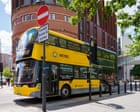
And I remember thinking: why can’t we have something like this at home in Liverpool? Well, last weekend Liverpool city region combined authority began to roll back the Thatcherite belief that private was all good, while public was all bad. For the first time in four decades, buses in the Liverpool city region have begun to be brought back under public control, starting in St Helens in Merseyside before spreading across the rest of the region.
Instead of private operators deciding where and when buses run, we will set the routes, fares and standards. Our franchised buses will still be operated by third parties. But we will set the rules, decide what kind of network our communities need and hold operators accountable for delivering it.
It is the biggest change to public transport in our region for generations. Nobody standing at a bus stop at six in the morning cares about the finer points of franchising legislation. But they do care whether the bus turns up; whether they can get to work on time, get their kids to school or college, or make it to a hospital appointment.
Public control means we can start putting passengers first, with more frequent services, more evening and weekend buses, better connections to hospitals and railway stations and simpler fares. And we have kept single bus fares capped at £2, the price they have been for the past four years. Change will be immediate.
Extract — continue reading at the source.